
Last updated November 24, 2026
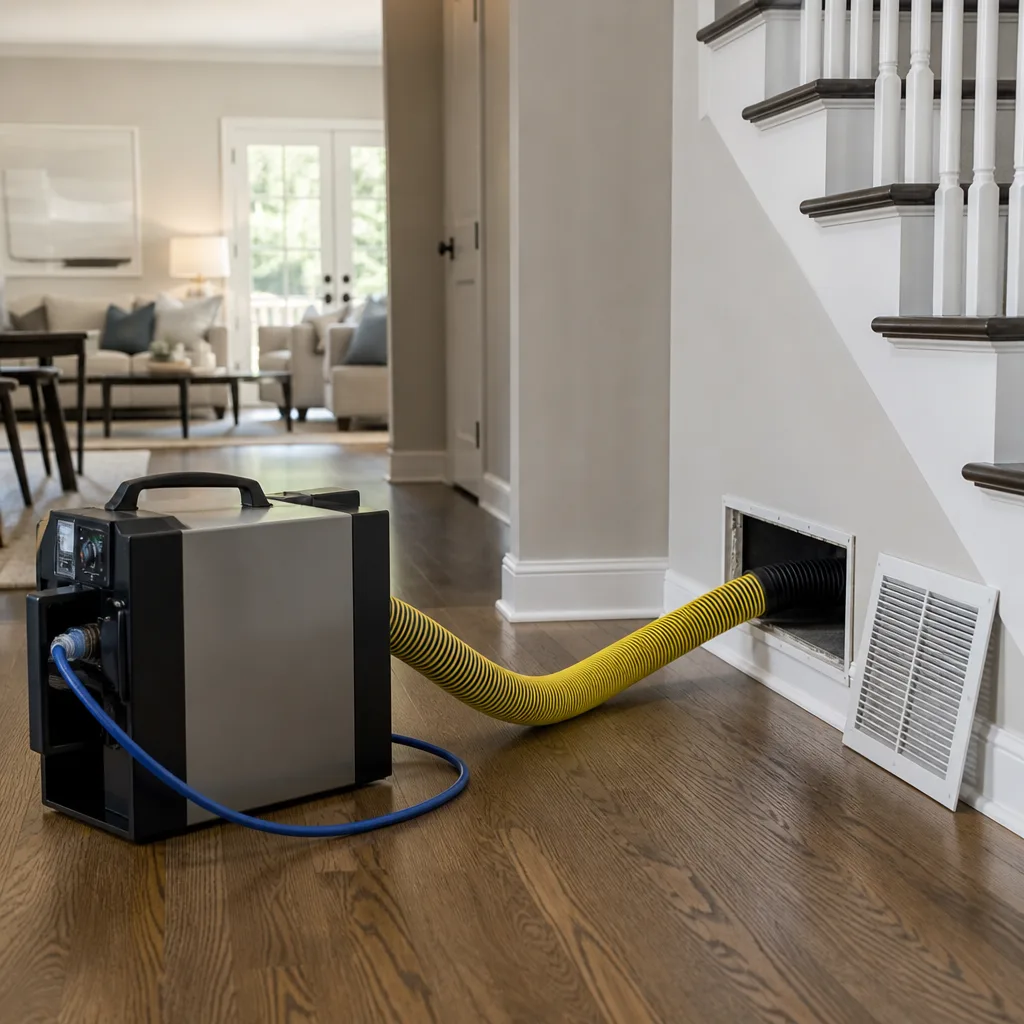 Whole-home duct cleaning
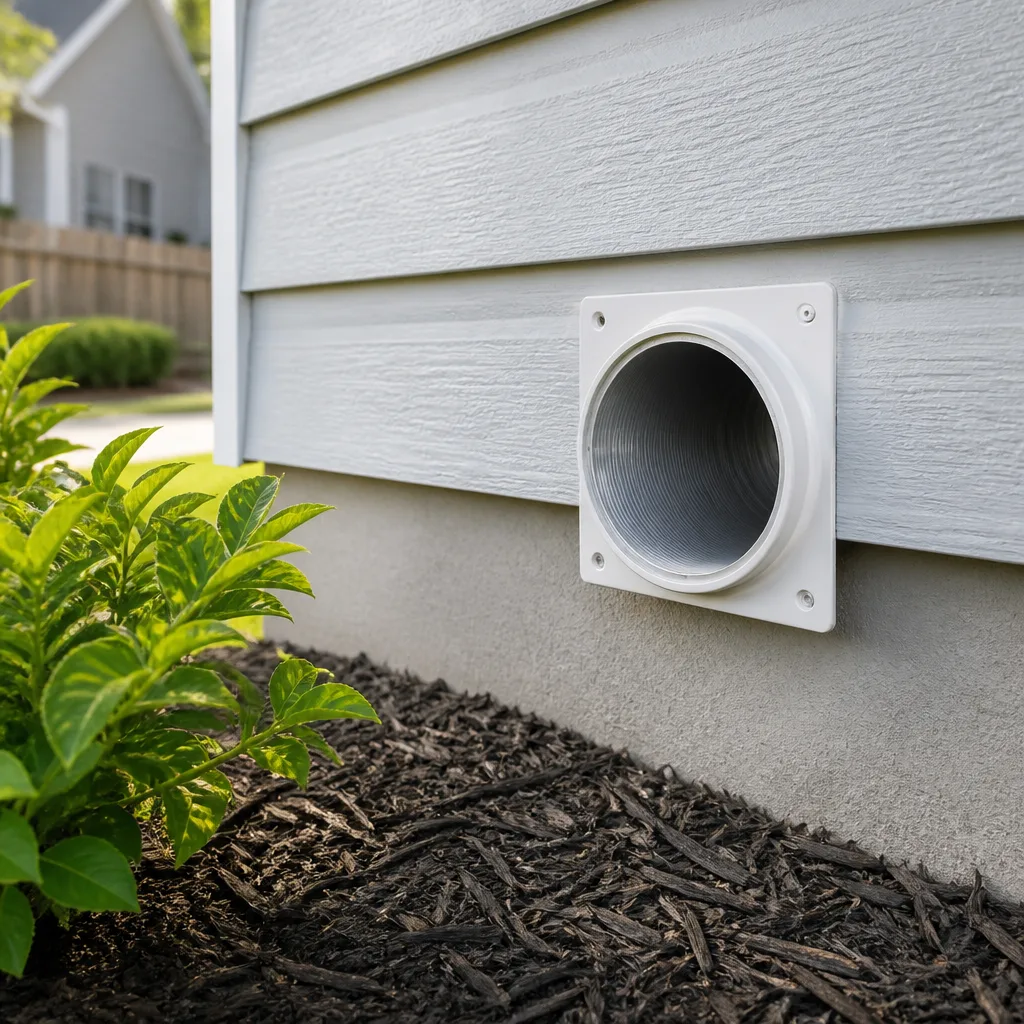 Dryer vent cleaning
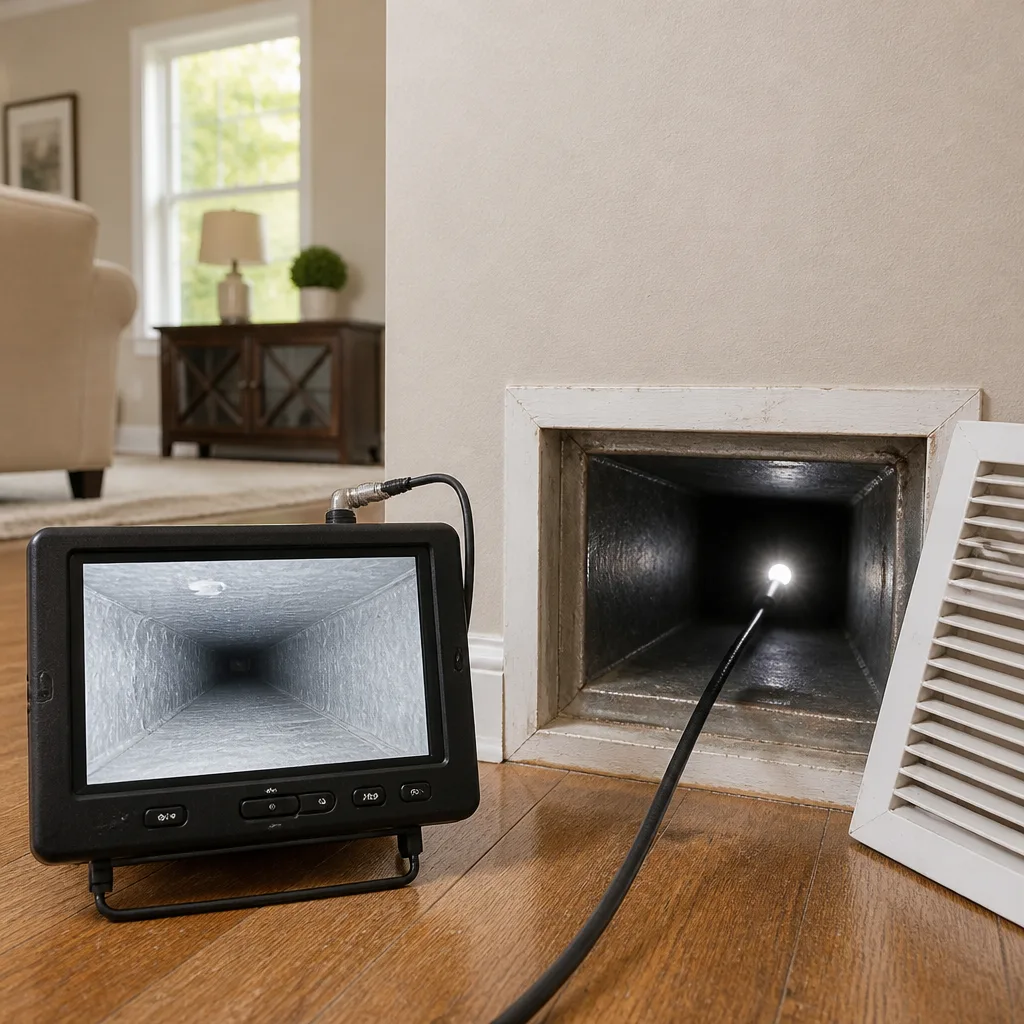 Camera inspection
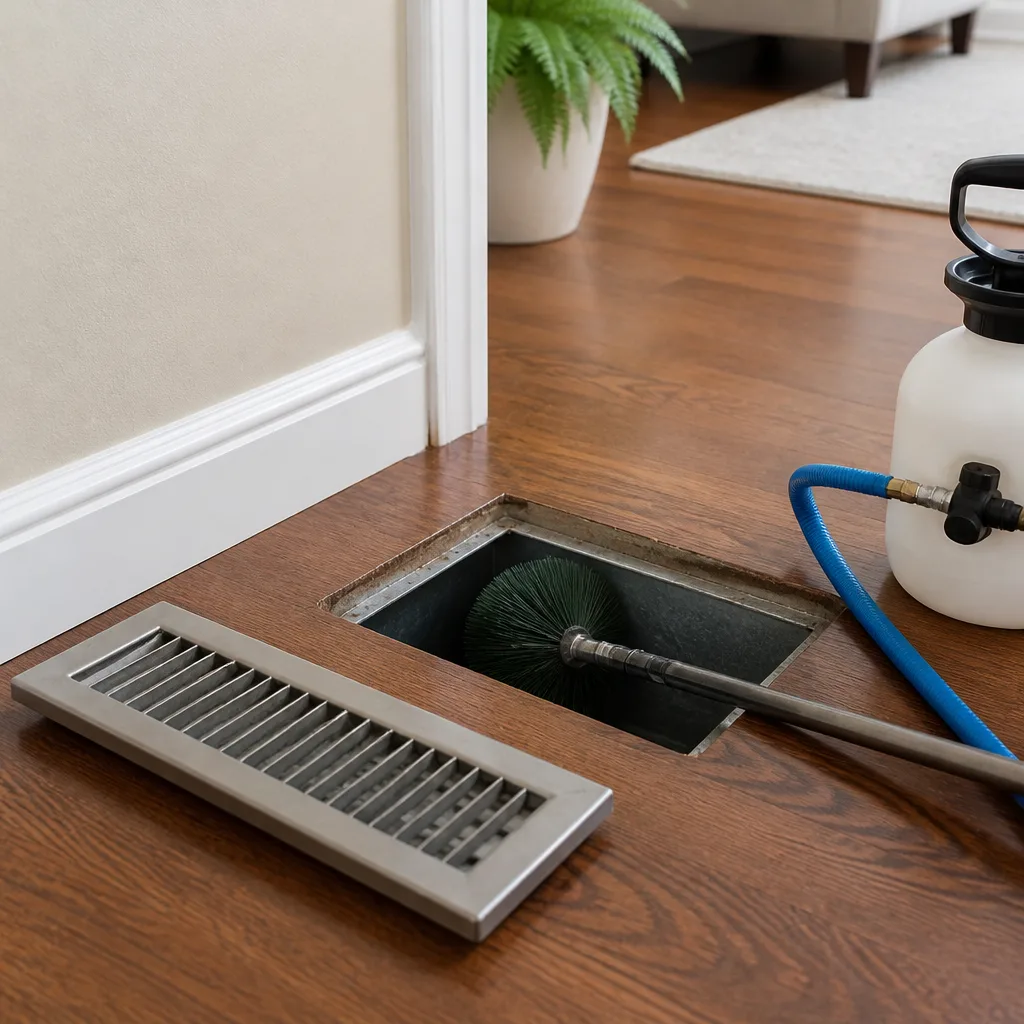 Sanitizing & deodorizing
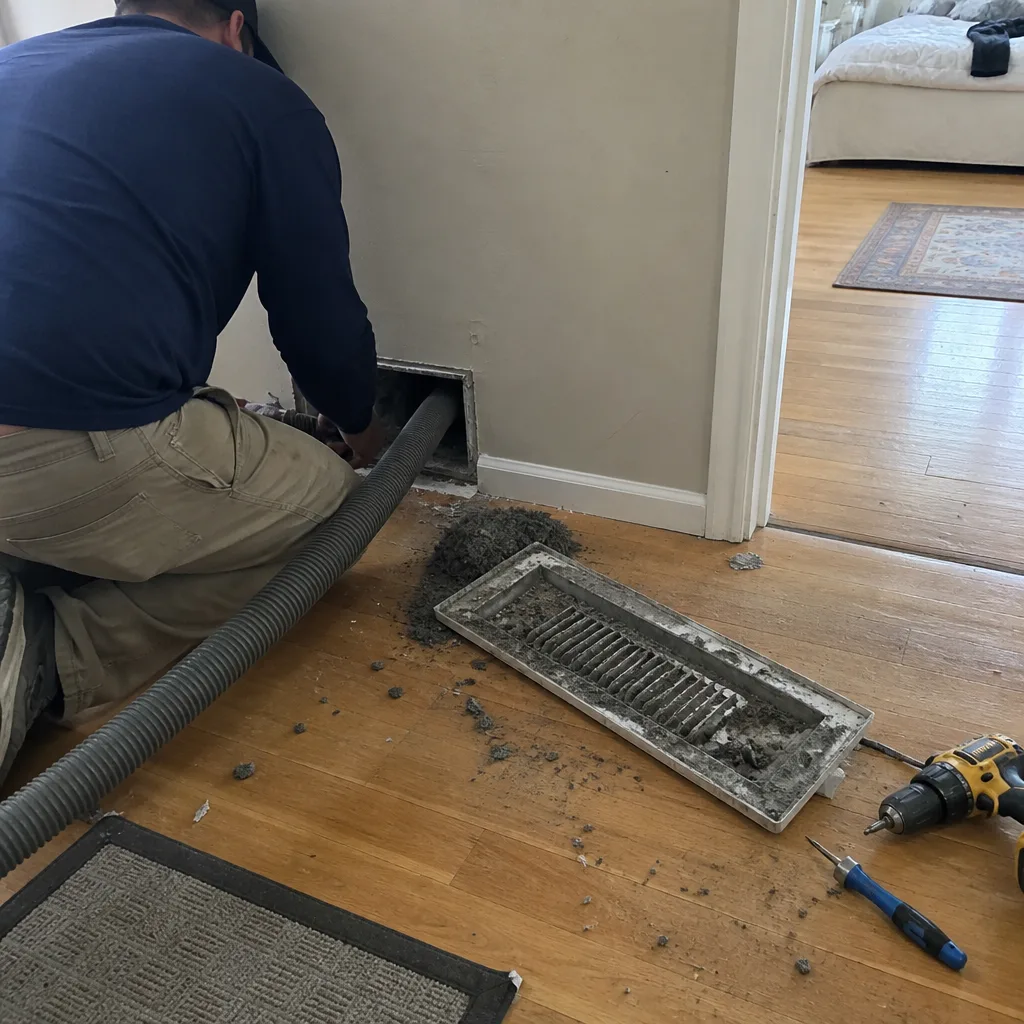
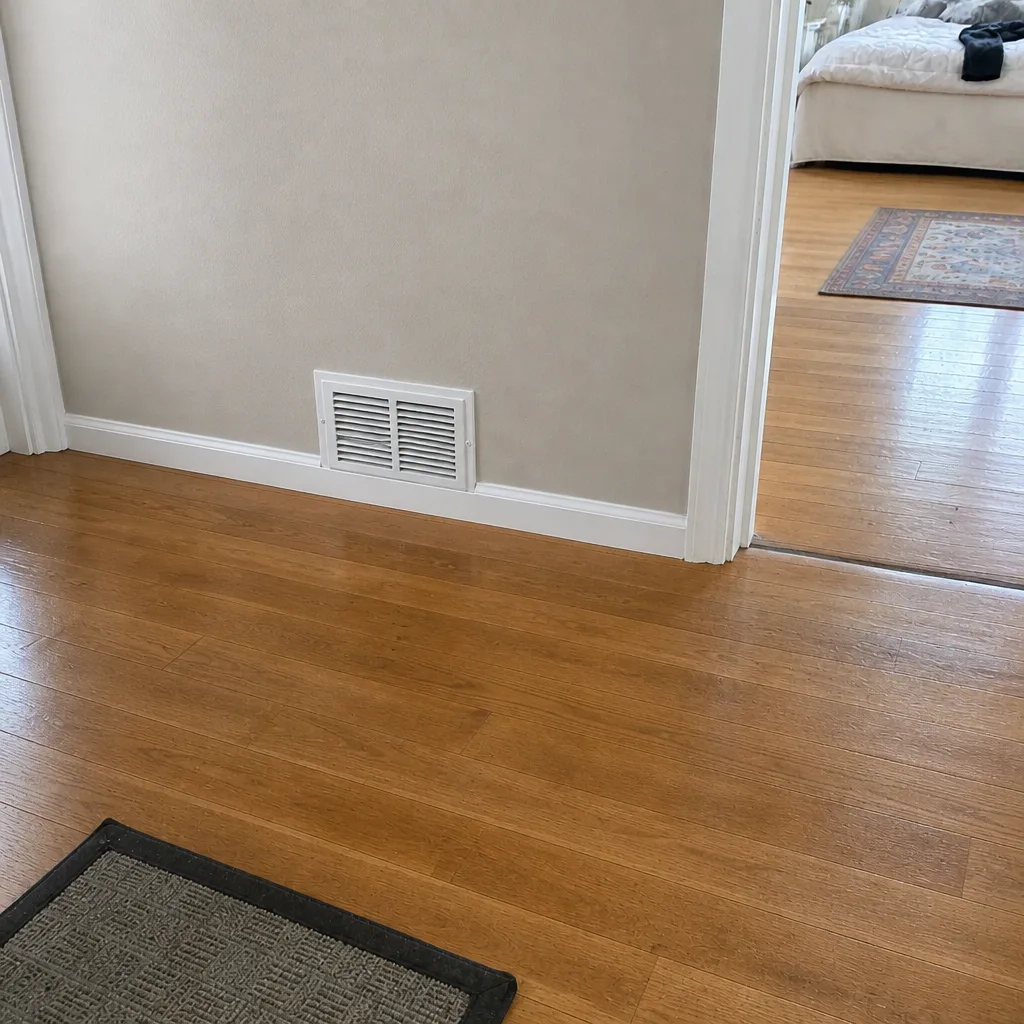
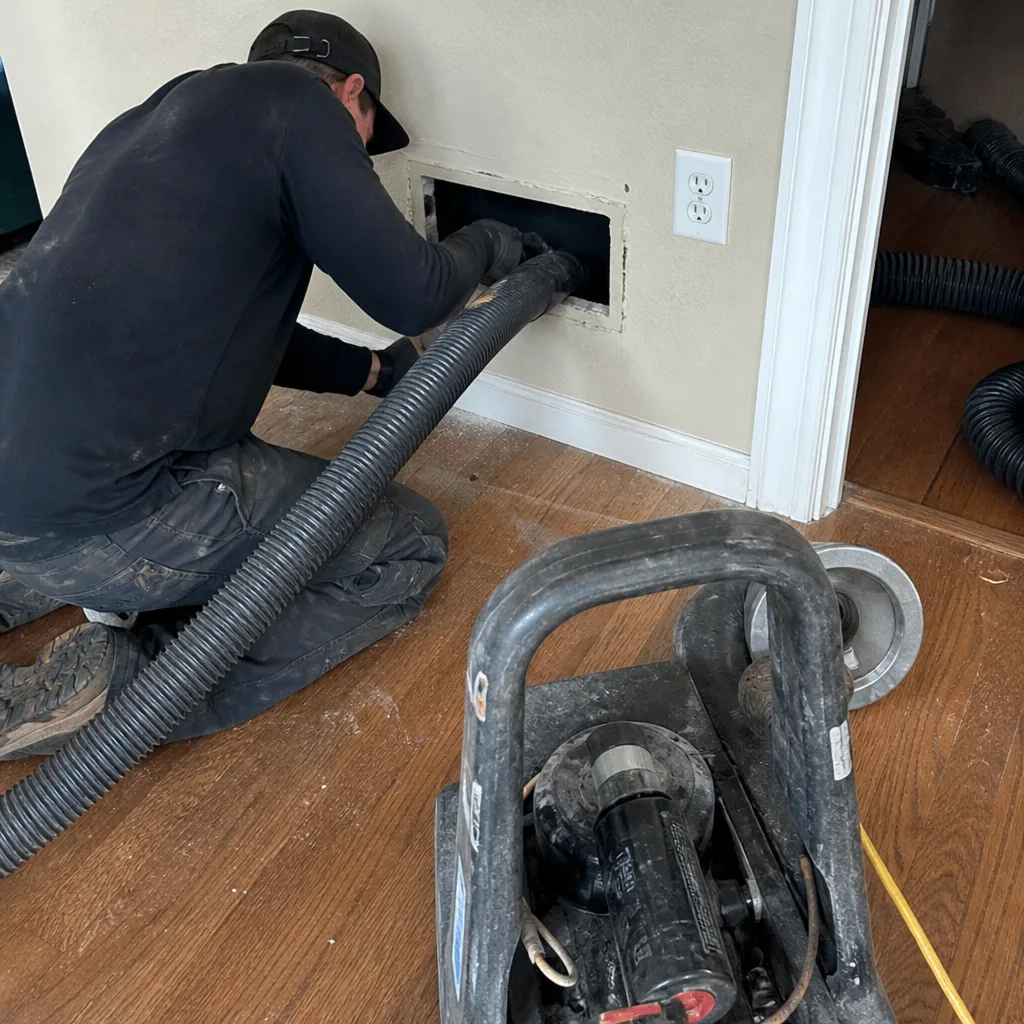
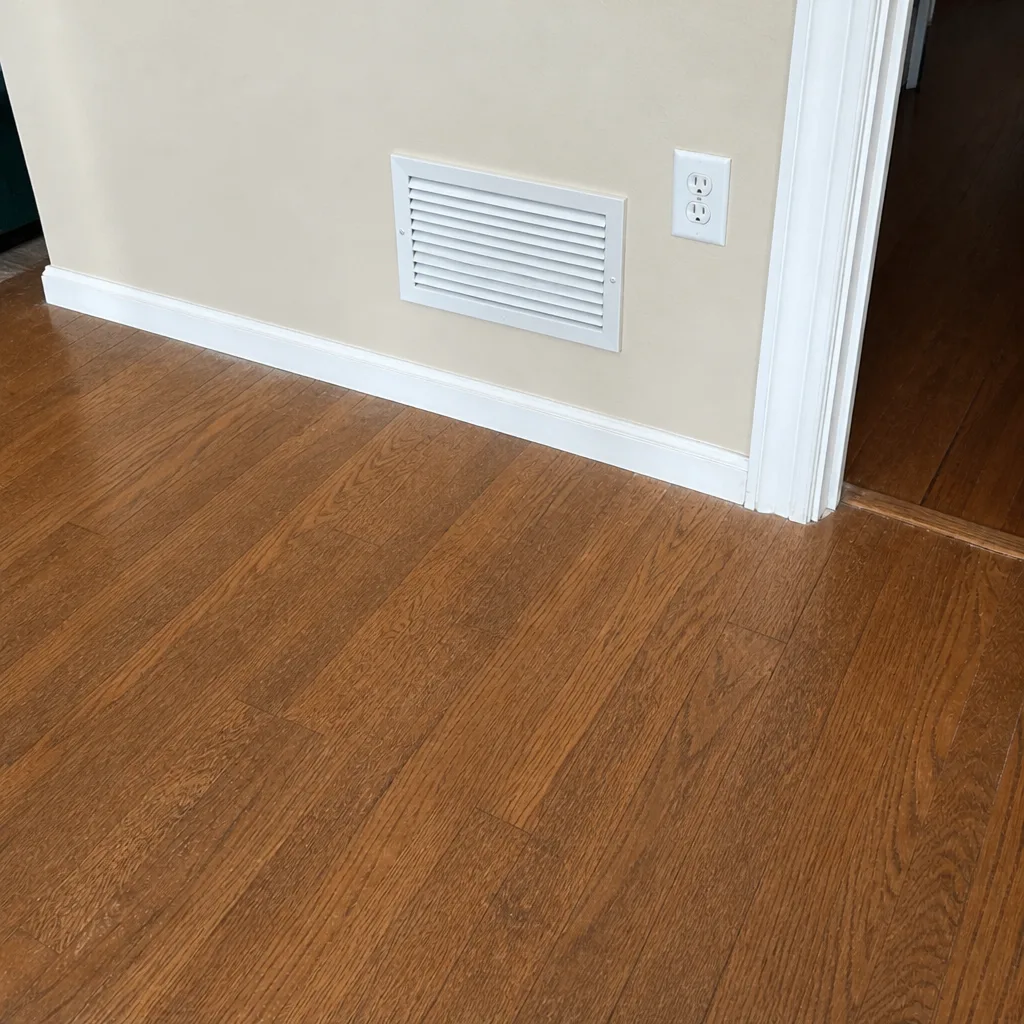
Whole-system duct and dryer vent check with before-and-after photos - you see exactly what came out of your vents
That "$99 whole-house special" is a bait ad - the real number appears once they are in your hallway, or the "clean" is a shop-vac at the register. We photograph the inside of your ducts before and after instead.
Air Duct Cleaning Emergency Preparedness Guide for Tallyn’s Reach Homes
After a wildfire smoke event, the instinct is to shut the windows and run the HVAC system on recirculate for a day or two to filter the indoor air. It sounds like the right move. In practice, it can be the one that makes the problem last. A system pulling smoke-laden air through a filter that isn’t rated for fine particulate will pass much of it straight into the duct lining, and every time the blower comes on afterward, some of that material lifts back into the rooms. This guide covers what to do instead: when to run the system after smoke, when to shut it down, how a moisture event changes the timeline, and how to prepare before the next one. Tallyn’s Reach sits in a landscape where these events are a question of when, not if.
Quick Answer
Emergency preparedness for your duct system means deciding in advance which events require immediate shutdown, which require inspection before restart, and which create contamination that won’t show up at the register for weeks. After wildfire smoke, shut the system down and have the ducts inspected before resuming normal operation. After any water intrusion, inspect flex duct within 48 to 72 hours. After a renovation, clean before you run the system for the season, not after.
Styles & brands we work with
- Whole-home duct cleaning
- Dryer vent cleaning
- Camera inspection
- Sanitizing & deodorizing
Table of Contents
- Why Tallyn’s Reach Duct Systems Face Specific Emergency Risks
- Post-Wildfire Smoke Protocol: When to Run, When to Shut Down
- Flood and Moisture Events: The 48 to 72 Hour Inspection Window
- Post-Construction and Renovation Contamination
- Pre-Event Preparation: What to Have Ready
- Documenting Duct Condition for Insurance
- The Inspection Sequence Before You Resume Normal Operation
- What Professional Recovery Actually Involves
Why Tallyn’s Reach Duct Systems Face Specific Emergency Risks
Tallyn’s Reach sits on the eastern edge of the Denver metro along the ridge above Parker, and the geography shapes what lands in a duct system here. The community backs onto open space and prairie, which means wind-driven dust and pollen load the outdoor air on a normal spring day, not just during a smoke event. When the Front Range gets the late-summer and fall smoke that drifts in from fires to the west and north, that same wind pushes it across the ridge and into every return grille in the neighborhood.
The housing stock adds a second factor. Tallyn’s Reach has a lot of homes built in the 2000s and 2010s, and those systems were commonly installed with flex duct in the attic and crawl spaces. Flex duct has a corrugated interior liner, and that corrugation is a shelf. Fine particulate settles into the ridges and stays there in a way that smooth galvanized trunk line doesn’t. It also traps moisture, which matters for the section below.
A third factor is tight construction. Newer Tallyn’s Reach homes are built to tighter envelope standards than older Colorado houses, which is good for energy use and means the HVAC system is doing more of the air exchange work. What circulates through the ducts is a larger share of what you breathe. That’s the reason a contamination event here has a longer tail than it would in a drafty older home.
None of this is a reason to panic. It’s a reason to plan. The rest of this guide walks through the events that matter and what to do in each one.
Post-Wildfire Smoke Protocol: When to Run, When to Shut Down
During and immediately after a heavy smoke event, shut the HVAC system down rather than running it on recirculate. A standard filter is not rated to capture fine smoke particulate, and running the blower pulls that particulate into the duct lining and the evaporator coil, where it settles and re-suspends for months. The counterintuitive part: the system you’re running to clean the air is the thing depositing the contamination.
Here’s the sequence we recommend for a smoke event, in order:
- Before the event, if you have warning: upgrade to the highest MERV filter your system’s manufacturer allows, and seal window and door gaps with weatherstripping or temporary tape.
- During the event: shut the system off. Keep windows and doors closed. Run a standalone HEPA air purifier in the room you spend the most time in if you have one.
- When the smoke clears: change the filter before you restart anything. A loaded filter that captured smoke particulate will release it back into the airstream if you run the system with it in place.
- Before resuming normal operation: inspect the return plenum and the first few feet of the return runs. If there’s visible gray or black film on the liner, the ducts need professional cleaning before the system runs on a normal schedule.
- After cleaning: replace the filter again, and run the system on fan-only for a short period to confirm no lingering odor comes through the registers.
If the smoke event was short and light, and your filter is rated for fine particulate, you may get away with a filter change and a visual check. If the smoke was heavy, lasted more than a day, or you could smell it inside the house with the windows closed, assume the ducts took on particulate and get them inspected.
The reason a heavy smoke event leaves a long tail is the re-suspension cycle. Every time the blower comes on, a small fraction of what settled in the liner lifts back into the airstream. That fraction is small per cycle, but it repeats dozens of times a day, all season. A homeowner who notices a smoky smell coming from the registers weeks after the event is usually noticing exactly this.
Flood and Moisture Events: The 48 to 72 Hour Inspection Window
After any water intrusion that reaches the duct system, get the ducts inspected within 48 to 72 hours. Flex duct liner that stays wet is a favorable environment for mold colonization, and once colonization starts, cleaning is no longer the answer. Replacement of the affected run is. That window is the single most important deadline in this guide.
Water reaches ducts in more places than homeowners expect. A failed water heater in the utility closet, a supply line that lets go behind a wall, a sump that backs up, a roof leak that runs down through the attic where the flex runs sit, and a washing machine hose failure are all common paths. In Tallyn’s Reach, the summer monsoon pattern brings short, heavy rain events that can overwhelm a window well or a poorly graded patio drain, and that water finds its way into a crawl space fast.
Here’s what to do in the first 72 hours:
- Shut the HVAC system off at the thermostat and, if you can safely reach it, at the service switch.
- Photograph the water line and every wet surface you can see, before you start drying anything.
- Dry the structure aggressively with fans and a dehumidifier, following whatever your water damage contractor recommends.
- Get the duct system inspected by someone with a camera that can see inside the flex liner, not just the register boot.
- If the liner is wet or shows any discoloration, plan on replacing that run. Cleaning a colonized liner does not remove what has grown into the material.
A short moisture exposure that dries within a day, with no visible staining and no musty odor, may not require replacement. A long exposure or any odor is a different situation. When in doubt, inspect. The cost of an inspection is trivial next to the cost of a compromised system circulating spores through a house all summer.
If the moisture event was significant enough to require a restoration contractor, coordinate the duct inspection with the restoration timeline. Mold can begin colonizing wet material well before the drywall is back up. Inspecting the ducts early means you know what you’re dealing with before the rest of the work gets scheduled around it.
Post-Construction and Renovation Contamination
Drywall dust and insulation fiber are the two biggest duct contaminants a renovation produces, and both behave differently than the dust your filter catches in normal operation. Drywall dust is fine, alkaline, and abrasive. It coats the inside of the liner and the evaporator coil, and over time it can reduce airflow and put strain on the blower motor. Insulation fiber is worse: it’s an irritant that doesn’t break down, and once it’s in the duct system it stays in the air for a long time.
Chemical off-gassing from paints, adhesives, sealants, and new cabinetry is the third piece. Those compounds don’t get captured by a standard filter, and they settle into the duct lining, where they can be re-released over months. A newly renovated Tallyn’s Reach home that still smells faintly of paint six weeks after the work is often smelling the ducts, not the walls.
The sequence that works:
- Before demolition or sanding begins: cover the return grilles with a filter media or plastic and tape, and shut the system off during heavy dust work.
- During the renovation: run the system as little as possible, and change the filter more often than usual.
- After the work is complete and the dust has settled: clean the duct system before the first heating or cooling season, not after.
- After cleaning: replace the filter, and consider adding a higher-MERV filtration or whole-home air quality component if the system can support it.
If the renovation involved a kitchen or bathroom that shares a return with the rest of the house, treat the whole system as contaminated, not just the room. Duct systems are connected through the return plenum, and dust that gets into one branch circulates through all of them.
Our technicians have up to 14 years of experience with exactly this kind of contamination. When we clean a system after a renovation, we use a Rotobrush rotary system to agitate and remove material from the liner, paired with Nikro HEPA-rated vacuum containment so dislodged debris doesn’t end up in the air of the home we’re working in. For heavier contamination scenarios, Abatement Technologies equipment is available to handle the particulate load properly.
Pre-Event Preparation: What to Have Ready
The time to prepare for a smoke or dust event is before it happens, because the hours when you need the supplies are the hours when the stores are sold out. A small, cheap kit covers most of what you’ll need, and a few system settings reduce the contamination load from the start.
What to keep on hand in a Tallyn’s Reach home:
- A spare filter rated at the highest MERV your system’s manufacturer allows, kept sealed in its packaging.
- A second spare filter, so you’re not changing one mid-event and running with the old one still in place.
- Filter media or plastic sheeting and painter’s tape, for covering return grilles during renovation dust or before a known smoke event.
- A standalone HEPA air purifier for the main living room or bedroom, sized for the room.
- Weatherstripping or temporary window sealant for gaps that leak smoke.
- A camera or phone, for photographing duct condition before and after any event (more on that below).
System settings that reduce contamination loading during a known event:
- Set the thermostat to fan-only, or turn the system off entirely, during heavy smoke. Running the fan pulls outdoor air through the envelope gaps and pushes it into the ducts.
- Close the fresh-air intake if your system has one you can close safely. Many newer Tallyn’s Reach homes have an outside air connection for ventilation, and that intake is a direct path for smoke.
- Don’t run the system continuously on recirculate as a filtration strategy unless the filter is rated for fine particulate. A standard filter running for 48 hours during smoke is the scenario this whole guide is about.
If you’re unsure what your system can and can’t handle, that’s a conversation worth having before the next event, not during one. It’s also a good reason to schedule routine HVAC cleaning annually, so you know what condition the system is in when a real event hits.
Documenting Duct Condition for Insurance
Insurance carriers handle duct contamination claims more smoothly when the homeowner can show a baseline. A dated photograph of the inside of a return plenum and a register boot, taken when the system is clean, is the single most useful document you can have. Without it, the adjuster has no way to separate pre-existing dust from event-caused contamination.
A documentation routine that takes twenty minutes and holds up well:
- Before any event: photograph the inside of at least two return grilles and two supply registers, with a phone or camera and a date stamp. Note the date in the file name.
- Immediately after the event, before any cleaning: photograph the same locations again. Add a note of the event (smoke, water, construction) and the date.
- During professional inspection or cleaning: ask for before-and-after photos of the duct interior. Any reputable duct cleaning company takes these as a matter of routine.
- After cleaning: photograph the same locations again. Keep all sets together with the receipts.
If a claim does come up, the paperwork goes faster if you have a written scope of work and an invoice that describes what was done. A generic invoice that says “duct cleaning” tells an adjuster nothing. A scope that describes rotary cleaning of the trunk and branch runs, HEPA vacuum containment, and any liner replacement tells them exactly what the money went for.
Our advice: keep a simple folder, physical or digital, for duct and HVAC records. It’s the kind of file you’ll only need once or twice, and it takes the guesswork out of a stressful day when you do.
The Inspection Sequence Before You Resume Normal Operation
The question we get most often after an event is simply: how do I know it’s safe to turn the system back on? Here’s the sequence, in order, that a trained technician runs through, and that a careful homeowner can partially replicate with a flashlight and a phone.
- Filter check first. Pull the filter. If it’s loaded, discolored, or shows visible soot or moisture, replace it before anything else. Never restart with a contaminated filter still in place.
- Return plenum visual. Look inside the return plenum and the first accessible return run. Visible film, discoloration, or odor is a signal that cleaning is needed.
- Liner inspection. On flex duct, run a camera or a scope down the first branch. The liner interior should look clean and evenly colored. Streaking, dark patches, or any softness in the material means replacement, not cleaning.
- Coil inspection. The evaporator coil is where a lot of particulate lands. A dirty coil is a separate problem from dirty ducts, and both matter for air quality and system performance.
- Moisture check. Any moisture in the duct system after 72 hours of drying means replacement of the affected run.
- Odor check. Run the system on fan-only for a short period, with the filter new. If a smoky, musty, or chemical odor comes through the registers, the ducts haven’t been fully addressed.
If the sequence turns up contamination, the answer isn’t a shop vacuum and a homeowner with a ladder. It’s professional air duct cleaning with equipment that can agitate the liner and contain what comes off it.
What Professional Recovery Actually Involves
A duct cleaning company that shows up with a shop vacuum and a hose cannot recover a system after a real contamination event, and the difference shows in the equipment. When we clean a Tallyn’s Reach home after a smoke, moisture, or construction event, the process uses purpose-built equipment at every stage.
The core of it is a Rotobrush rotary system to agitate and lift material from the duct liner, paired with Nikro HEPA-rated vacuum containment so dislodged debris is captured rather than dispersed. For heavy contamination, mold remediation scenarios, or particulate loads beyond a routine cleaning, Abatement Technologies equipment is brought in to handle the load correctly. Cleaning alone is only part of the work if the event damaged the ducts. Duct repair and sealing address the root cause: a system with leaks in the trunk or disconnected flex runs loses energy and pulls unfiltered air from the attic or crawl space back into the living space. Improving the system also means improving the filtration and humidity control with Aprilaire and Honeywell components where the system supports it.
If you’re not sure whether your situation needs routine cleaning or a fuller recovery, that’s a conversation worth having. You can reach us at (855) 550-7311 for a free estimate. We answer 24/7. Fast dispatch from 7am to 7pm, Sunday through Friday.
And if the event was a fire, or if you’re doing fire-risk reduction work at the same time, dryer vent cleaning is a separate, focused service that addresses a real hazard in the home and is worth scheduling alongside the duct work.
Common Mistakes to Avoid
- Running the system on recirculate during a smoke event. A standard filter doesn’t capture fine smoke particulate, and the blower pushes it right into the duct lining. Shut the system down and upgrade the filter instead.
- Restarting with the old filter in place. A loaded filter releases what it captured when the system comes back on. Replace the filter before you resume operation, every time.
- Waiting on a moisture event. Flex duct liner that stays wet past 48 to 72 hours is a mold risk, and once colonization starts the run gets replaced, not cleaned. That’s the one deadline in this guide with no workaround.
- Cleaning before the renovation dust has settled. Cleaning a system mid-renovation just means cleaning it again afterward. Wait until the work is done, then clean before the first heating or cooling season.
- Skipping the camera inspection. A register boot that looks fine tells you nothing about the liner two feet up the branch. The inside of the duct is where contamination lives.
- No before-and-after photos. Without a baseline, an insurance claim becomes a negotiation. Photograph duct condition before and after every event and every cleaning.
- Hiring whoever’s cheapest. A low quote on a real contamination event usually means a shop vacuum and a hose. The equipment is what separates a recovered system from a temporarily cleaner-looking one.
See the difference
 Before
 After
 Before
 After
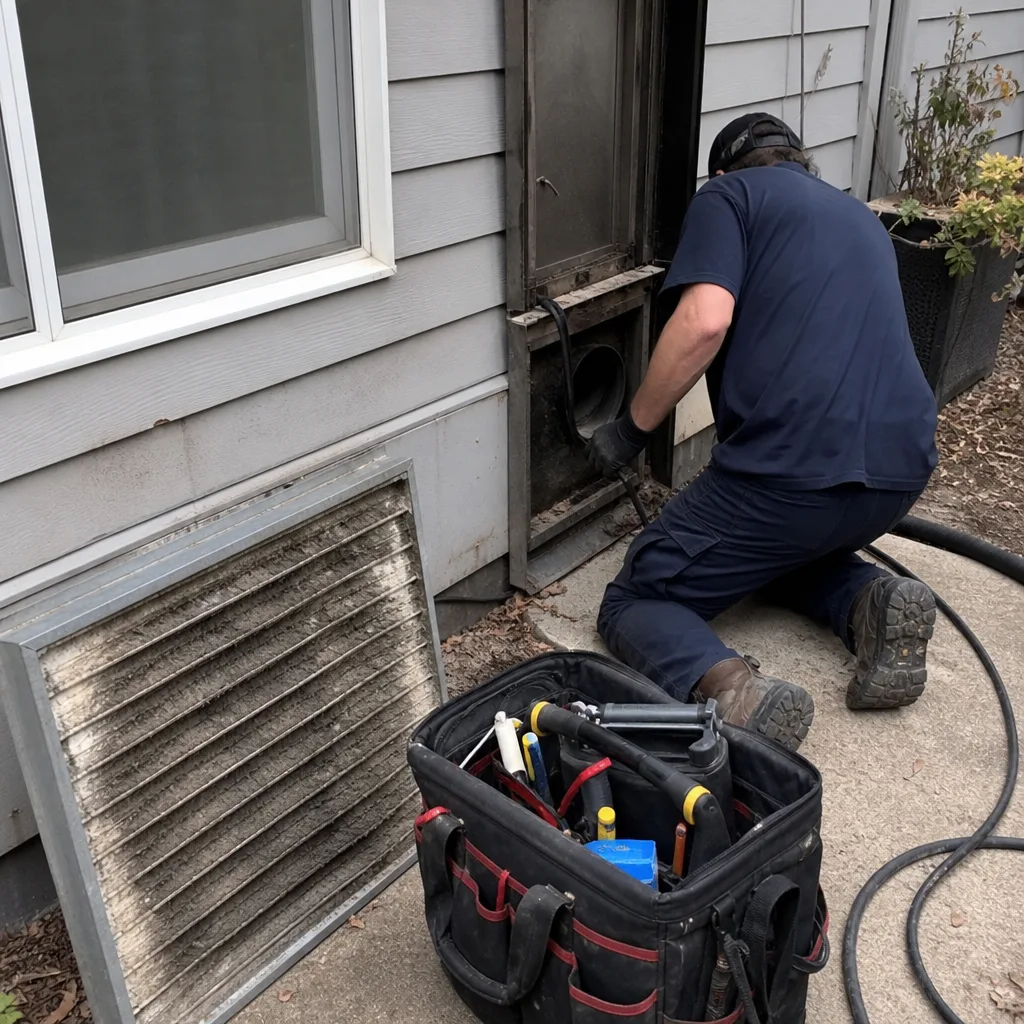 Before
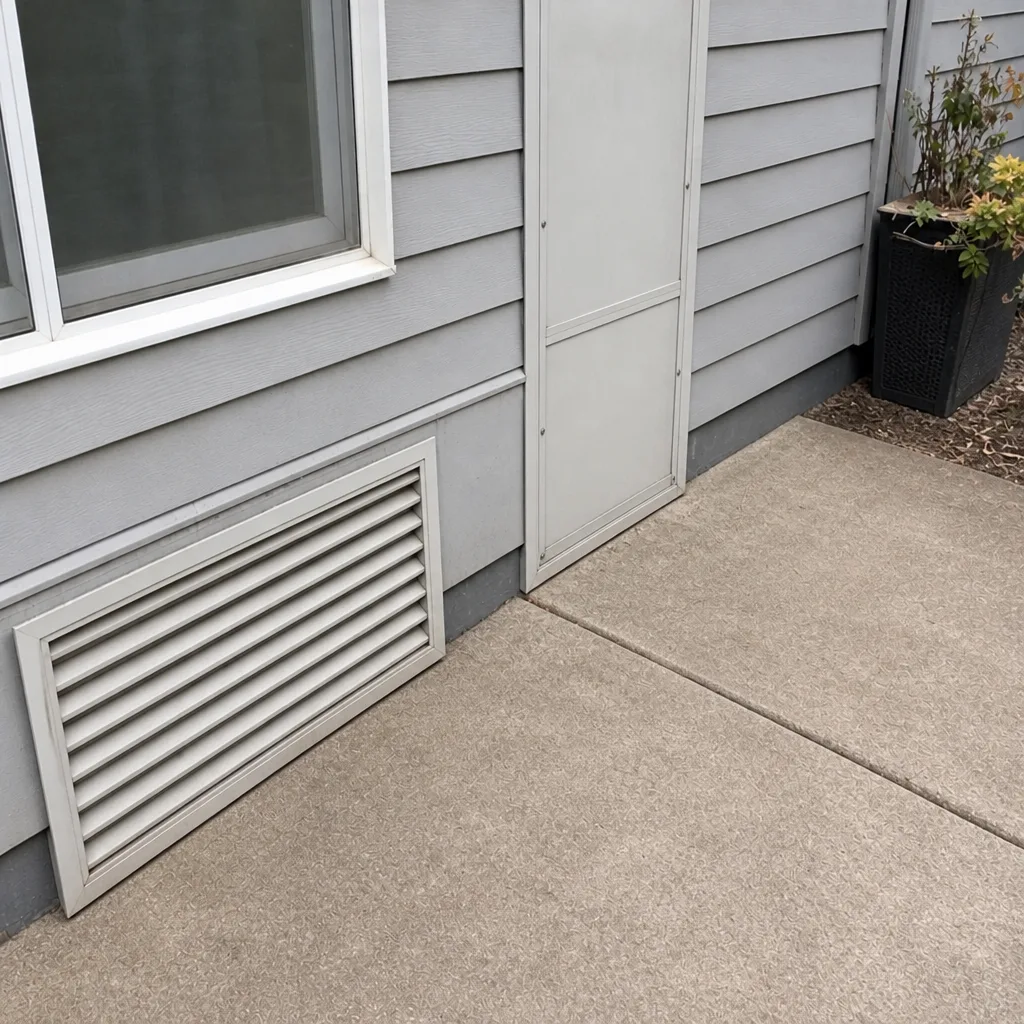 After
When to Call a Professional
Routine minor dust is a homeowner’s problem. The situations below are not. Call us when: a smoke event was heavy enough that you could smell it inside with the windows closed; a water intrusion reached anywhere near the duct system, and it’s been more than 48 hours; a renovation produced heavy drywall or insulation dust; you smell something musty, smoky, or chemical coming from the registers weeks after an event; the system has never been professionally inspected and the home is more than a decade old; or a dryer vent has never been cleaned and you want to rule out a fire risk. Our technicians have up to 14 years of experience with all of these scenarios. Air Duct Cleaning Tallyn’s Reach offers free estimates in Tallyn’s Reach. Call (855) 550-7311.
Frequently Asked Questions
Get them inspected as soon as the smoke clears, and clean them before you resume a normal operating schedule. Every day you run the system with smoke particulate settled in the liner is another day of re-suspension into the living space. Call (855) 550-7311 for a free estimate. We answer 24/7. Fast dispatch from 7am to 7pm, Sunday through Friday.
Not with a standard filter. Recirculate mode pulls smoke particulate through a filter that isn’t rated to capture it, and the blower deposits what passes through into the duct lining and the evaporator coil. Shut the system off instead, and run a standalone HEPA purifier if you have one.
Yes, in practice. Flex duct has a corrugated interior liner with ridges that trap particulate, and once it’s trapped, it’s harder to remove. It’s also why flex duct is more susceptible to moisture retention. Most Tallyn’s Reach homes built in the 2000s and 2010s have flex duct in the attic and crawl spaces.
Coverage depends on your carrier and your policy, so we can’t tell you what yours will do. What we can tell you is that a claim goes faster when you have before-and-after photos, a written scope, and an invoice that describes the work specifically. The documentation section above covers exactly what to keep.
Ask what system they use before you book. A company equipped for real recovery will tell you it uses a rotary agitation system and HEPA vacuum containment. If the answer is vague, or if the quote is far below everyone else’s, assume the equipment matches the price.
No, not in any meaningful way. A shop vacuum will remove surface dust from the register boot but can’t agitate the liner or contain what comes off it. The drywall and insulation particulates that matter most after a renovation are exactly the ones a homeowner can’t reach. Call us at (855) 550-7311 for a free estimate.
The Bottom Line
Emergency preparedness for your ducts is less about buying supplies and more about knowing the sequence. Smoke events call for shutdown before inspection, and a filter change before restart. Moisture events call for inspection within 48 to 72 hours, because after that the liner is a replacement problem, not a cleaning problem. Renovations call for cleaning before the season, not after. Pre-event prep is a filter on the shelf and a few sensible system settings. Documentation is a folder of dated photos. And the recovery work itself, when it’s needed, is a professional job with professional equipment. Air Duct Cleaning Tallyn’s Reach handles the full spectrum of that recovery work for Tallyn’s Reach homes, and we’re happy to walk through your situation before anything gets scheduled. Call (855) 550-7311 for a free estimate. We answer 24/7. Fast dispatch from 7am to 7pm, Sunday through Friday, closed Saturday.
Written by the team at Air Duct Cleaning Tallyn’s Reach.