
Last updated November 24, 2026
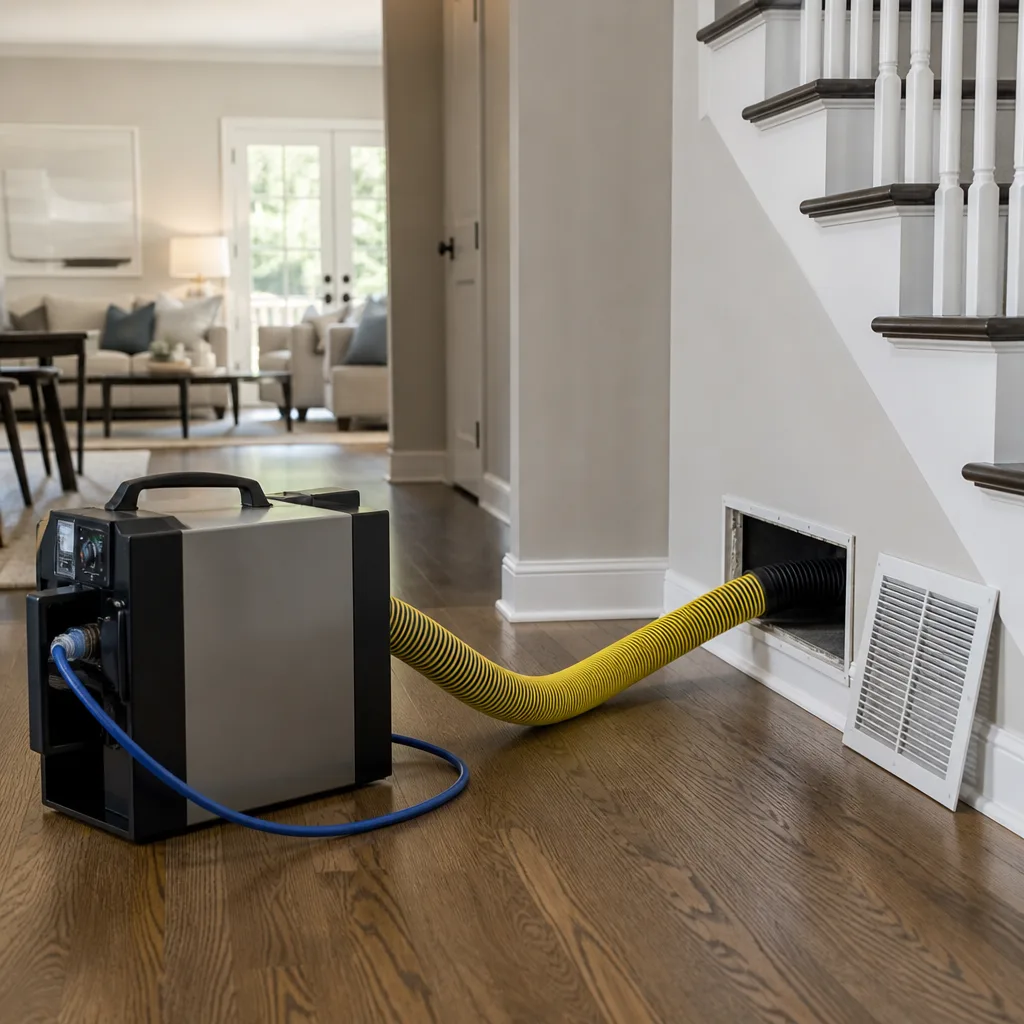 Whole-home duct cleaning
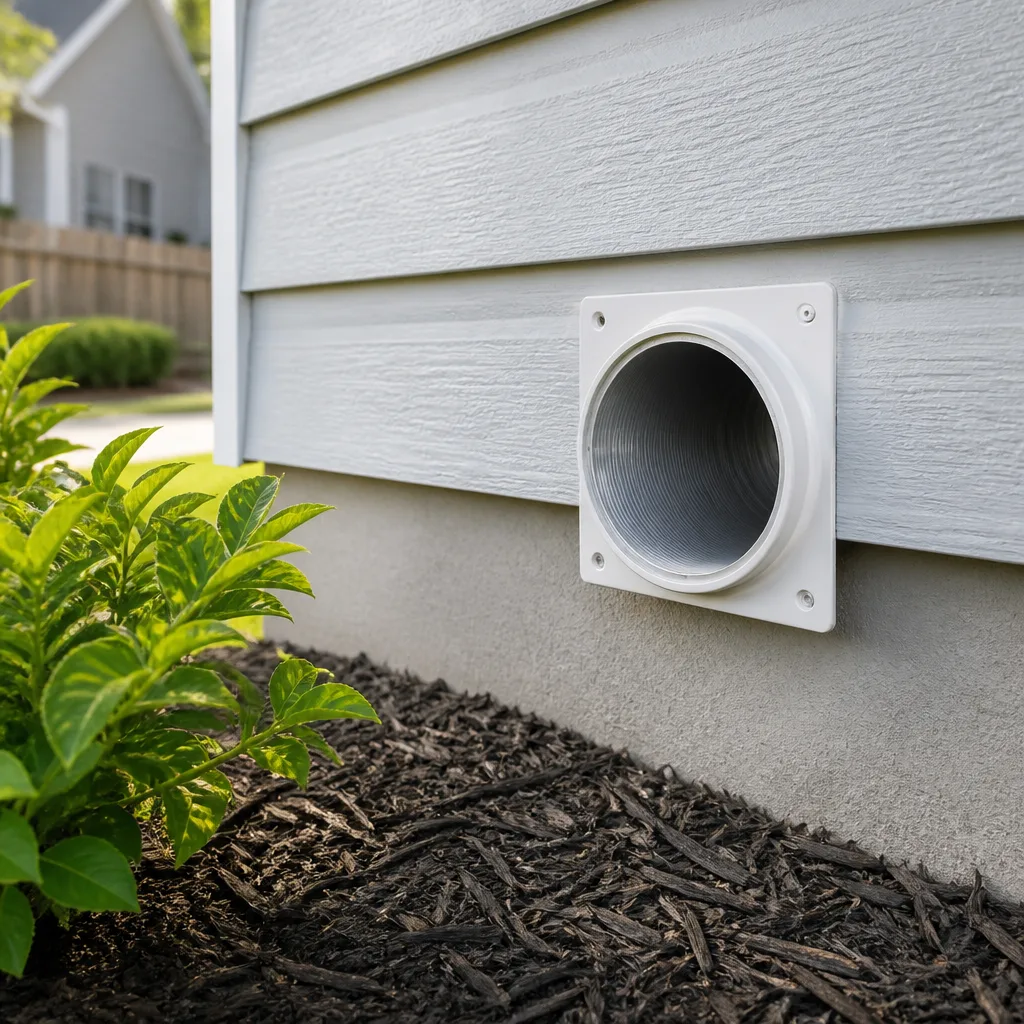 Dryer vent cleaning
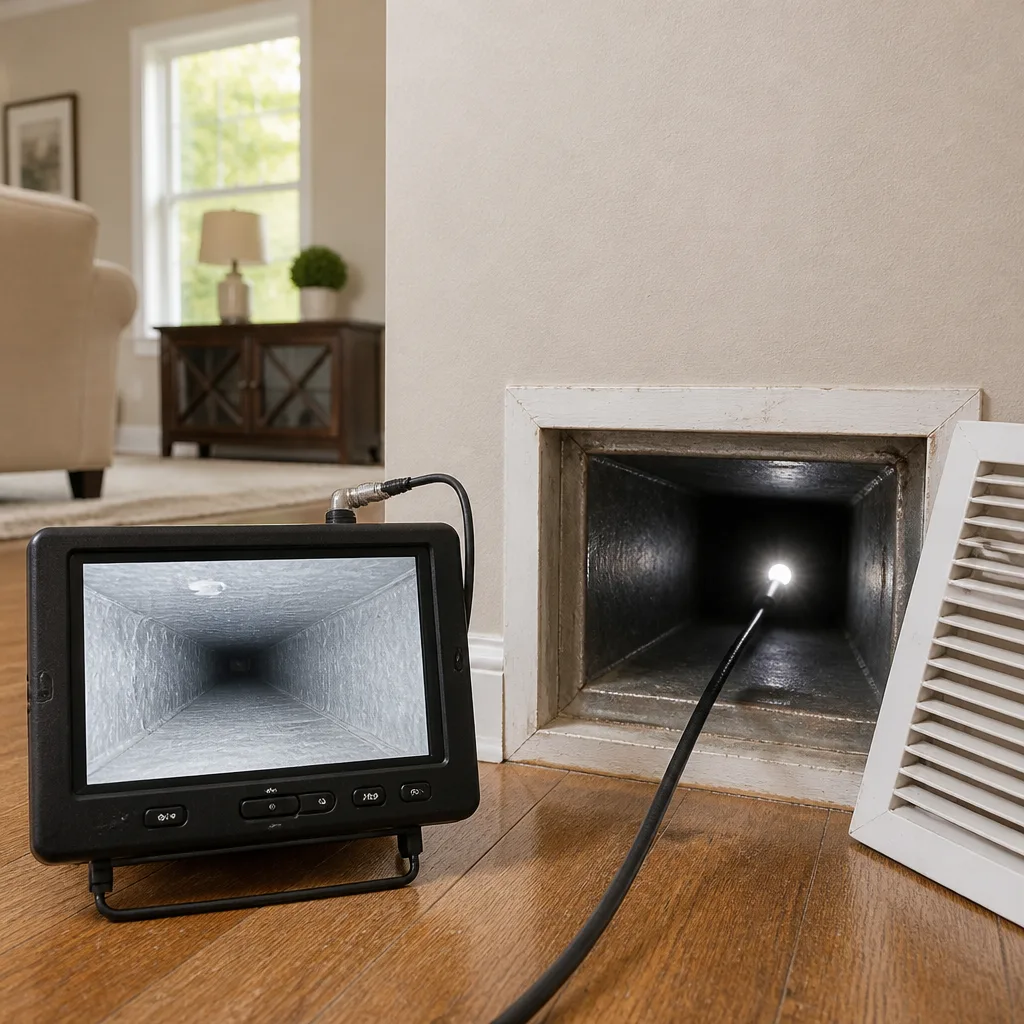 Camera inspection
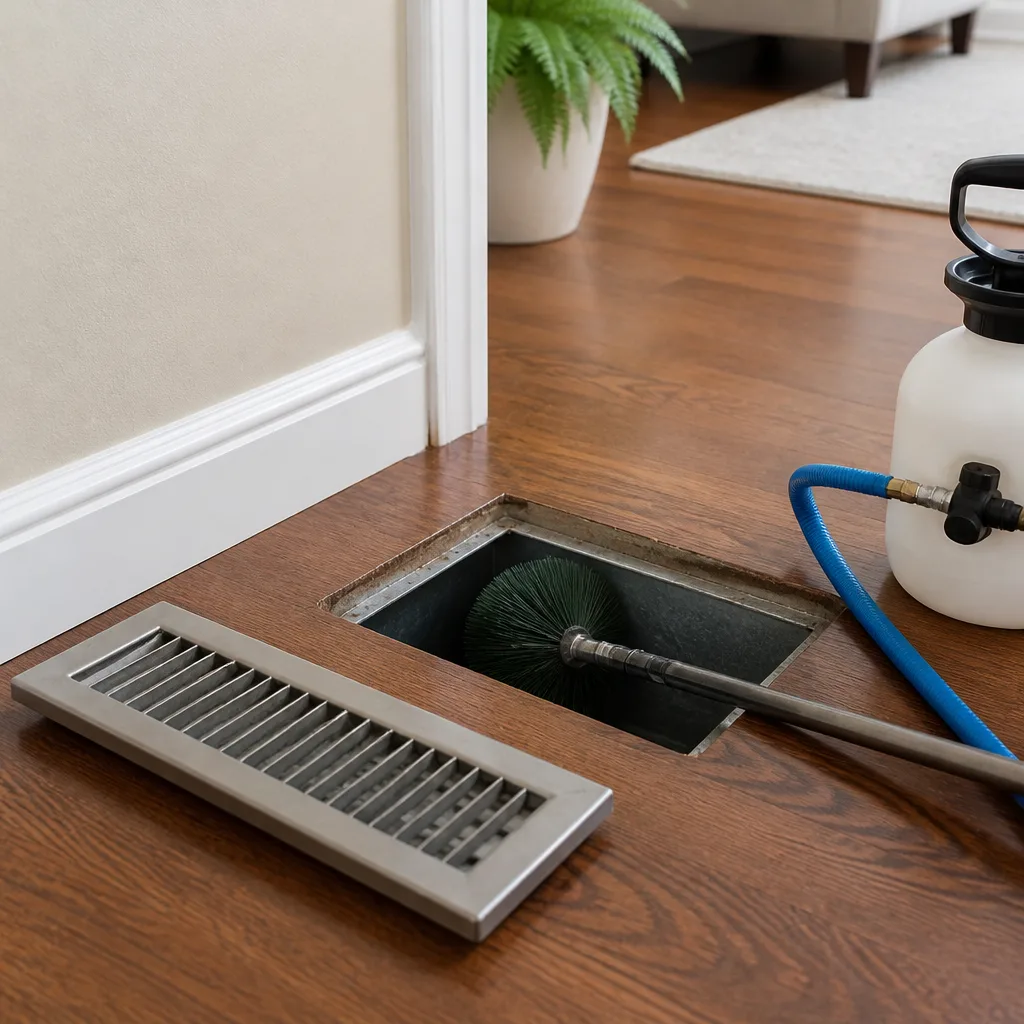 Sanitizing & deodorizing
Whole-system duct and dryer vent check with before-and-after photos - you see exactly what came out of your vents
That "$99 whole-house special" is a bait ad - the real number appears once they are in your hallway, or the "clean" is a shop-vac at the register. We photograph the inside of your ducts before and after instead.
Air Duct Cleaning Maintenance Schedule: What to Do and When
Most homeowners want a number. Three years, five years, whenever the last owner did it. The number is the wrong question. The EPA’s own guidance doesn’t hand out an interval at all, it says ducts should be cleaned “as needed,” which is honest but not much help when you’re standing in your hallway wondering whether this is the year. What actually decides how fast your ductwork loads with debris is a short list of conditions: the age of the house, who lives in it, how often the blower runs, and what’s floating around outside. This guide replaces the calendar rule with a condition-based schedule you can run yourself in Tallyn’s Reach, so you spend money on cleaning when it’s earned and skip it when it isn’t.
Quick Answer
There’s no universal interval. Most homes need a professional duct cleaning somewhere between every three and seven years, and the ones that need it sooner share a few traits: recent renovation, pets, allergy sufferers, a house older than the duct system itself, or heavy HVAC run time. Run the annual self-check in this guide. If two or more red flags come up, book a professional inspection that year. If none do, you can reasonably wait.
Styles & brands we work with
- Whole-home duct cleaning
- Dryer vent cleaning
- Camera inspection
- Sanitizing & deodorizing
Table of Contents
- Why There’s No Universal Duct Cleaning Interval
- The Annual Duct Condition Checklist
- How Filters Predict How Fast Ducts Load
- Tallyn’s Reach Triggers: Smoke Season, Construction Dust, Dry Air
- What Homeowners Should Do vs. What Needs Pro Equipment
- How to Log Duct Condition Over Time
- Pairing Duct Work With HVAC Cleaning
- The Dryer Vent Schedule Nobody Remembers
- Common Mistakes to Avoid
- When to Call a Professional
- Frequently Asked Questions
Why There’s No Universal Duct Cleaning Interval
A duct system isn’t a single object. It’s a branching network of sheet metal, flex duct, and connection points, and every one of those surfaces is a place where particles land or don’t. Two houses on the same street in Tallyn’s Reach can have wildly different duct loading because of things the calendar never sees: one has a shedding dog, the other doesn’t; one had the kitchen remodeled last spring, the other hasn’t touched drywall in a decade; one runs the fan continuously, the other only when the thermostat calls.
The generic “clean every three to five years” line gets repeated because it’s easy to write, not because anyone verified it. It fails in both directions. A retired couple in a tight, well-filtered house who clean at year three are wasting money. A family of five with two cats, a woodshop in the garage, and windows open all summer who wait five years are breathing a system that’s been overdue since year two.
The better model is condition-based. You’re looking for the point where accumulated debris starts to affect the three things ducts actually influence:
- Airflow. Restricted ducts make the blower work harder and rooms that used to heat evenly start running cool.
- Air quality. Whatever’s on the duct walls gets stirred back into the supply air each time the system cycles.
- System efficiency. A clogged return or a debris-coated coil pushes run times up and energy use with them.
In our experience across Tallyn’s Reach, the homes that call us because “it’s been five years” are split roughly down the middle between ones that genuinely needed it and ones we told to wait. That’s the whole argument for a checklist over a calendar.
The Annual Duct Condition Checklist
Run this once a year. Pick a season when the system is running regularly so you can actually observe it, and budget fifteen minutes. Write the answers down, because the comparison year over year is what turns a guess into a decision.
- Register airflow test. Hold a tissue or a light piece of paper against each supply register while the system is on. Airflow should feel similar across rooms. A register that’s noticeably weaker than the others is a flag.
- Register and grille visual. Pop off a couple of floor or wall registers and look inside with a flashlight. A light dust film is normal. Visible clumps, matted debris, or anything that looks like it’s been there a while is not.
- Return grille inspection. The return is where the most debris collects first. If the return grille is visibly clogged, the ducts behind it are worse.
- Filter check. Pull the filter and hold it to light. If light doesn’t pass through in a meaningful way, it should have been changed. Note the date it went in.
- Smell test. Run the fan for a few minutes with the house closed up. A musty or dusty smell at the registers points to moisture or biological growth somewhere in the system.
- Dust accumulation rate. Note how fast dust returns to a shelf or a TV screen after you clean it. If it’s visibly faster than last year, the system is redistributing more than it should.
- Recent activity check. Any renovation, roofing work, new pet, or pest issue in the last twelve months? Each one loads the ducts in its own way.
Two or more flags and it’s worth a professional inspection that year. One flag, watch it and check again next year. Zero flags, skip it and enjoy the money you didn’t spend.
How Filters Predict How Fast Ducts Load
This is the part most guides get backwards. A higher-MERV filter is not automatically better for your ductwork, and filter frequency matters more than filter rating for predicting debris accumulation.
Your filter is the only real barrier between household air and the inside of the return ducts. When it’s doing its job, it catches particles before they get into the system. When it’s loaded past capacity, air bypasses it around the edges or simply can’t pass through, and either way the dust that should be trapped is landing on duct walls instead. A dirty filter doesn’t just reduce air quality, it accelerates the accumulation that makes duct cleaning necessary.
MERV ratings work like this in plain terms:
- MERV 4 to 8. Basic filtration. Catches large particles. Fine for a home with no allergy concerns, low occupant count, no pets. Doesn’t extend duct cleaning intervals much.
- MERV 9 to 11. Mid-range. Catches finer particles including some pollen and mold spores. A good working filter for most households. Don’t wait past the manufacturer’s change window.
- MERV 13 and higher. High-efficiency. Captures much finer particulate, but restricts airflow more. If the blower isn’t sized for it, static pressure rises and the filter loads faster. This is where homeowners get surprised: they upgrade thinking it’ll keep ducts cleaner, then skip a filter change, and the ducts load faster than they would have on a lower-rated filter that was being changed on schedule.
The rule we give every homeowner is simple: a properly-sized mid-range filter changed on time keeps ducts cleaner than a high-MERV filter changed late. If you want to step up filtration without the airflow trade-off, a whole-home air cleaner integrated with your HVAC (Aprilaire and Honeywell are the two we work with) gives you finer filtration with more media surface, so it holds more before it loads.
Scheduling-wise, filter changes are the single biggest lever on duct cleaning interval. Homes that change filters faithfully tend to push the interval out. Homes that don’t tend to pull it in, sometimes by years.
Tallyn’s Reach Triggers: Smoke Season, Construction Dust, Dry Air
Local conditions change the schedule here more than most homeowners realize. A general three-to-five-year rule written for a humid, sea-level climate doesn’t apply the same way in Tallyn’s Reach, and three things in particular load the system differently.
Wildfire smoke season
Smoke season along Colorado’s Front Range runs from roughly mid-summer into early fall, and during bad stretches the recommendation is to keep windows closed and let the HVAC system filter. That’s the right call for air quality, but it means the filter is grinding through fine smoke particulate for weeks. When the system pulls smoky outside air back through the return (because windows and doors inevitably open at some point), some of that ash and soot settles in the ductwork. Homes that run through a heavy smoke season should check filters more often that year and note it in the log. Two or three bad smoke seasons back to back can pull a duct cleaning forward by a year or more.
Construction in adjacent subdivisions
Tallyn’s Reach and the Aurora corridor around it have seen steady building, and construction dust is fine and travels. If there’s active framing, grading, or concrete work within sight of your house, expect more particulate in the return air than in a quiet year. Roofing and remodeling on your own home is the same story on a bigger scale: the general contractor vacuums up the visible mess, but the fine gypsum and insulation dust that floated into return ducts during the project is still there after the last truck leaves. Post-renovation is one of the clearest green lights for a professional cleaning.
High-altitude dry air
Dry air doesn’t just make your skin itch. It also keeps fine particulate suspended longer, which means more of it is airborne long enough to be pulled into the return. Low indoor humidity also affects how dust adheres to surfaces: in drier homes, dust that would clump in a humid climate stays loose and gets picked up again and again instead of settling out. That’s a real argument for paying attention to humidity control as part of your air quality plan, not just duct cleaning in isolation. Whole-home humidification paired with filtration reduces the amount of fine dust circulating in the first place.
Write these three triggers into the log as separate checkboxes. Any year with a heavy smoke season, active nearby construction, or an indoor renovation gets marked and factors into the decision.
What Homeowners Should Do vs. What Needs Pro Equipment
There’s a clean line between the maintenance that belongs to you and the work that requires professional tooling. Crossing it usually means breaking something or, worse, making the problem you’re trying to solve worse.
Homeowner tasks (do these yourself)
- Filter changes. Regular, on schedule, written down. The single most important thing you can do.
- Register and grille wipe-downs. Vacuum the face of floor and wall registers periodically. A damp cloth on the grille surface is fine.
- Return grille cleaning. The return takes the most abuse. Vacuum the grille surface with a brush attachment.
- Blower compartment exterior. Follow the manufacturer’s guidance for the filter slot area. Don’t reach inside.
- Humidity checks. A simple hygrometer lets you see whether indoor humidity is where it should be. Dry air is a Tallyn’s Reach fact of life; knowing the number tells you whether humidification is worth discussing.
Tasks that need professional equipment
- Inside the duct runs. Consumer vacuums and shop vacs can’t reach into duct branches, and the tools that try tend to push debris deeper or dislodge it into the supply.
- Source removal. Real duct cleaning is source removal: dislodging debris from duct walls and containing it while it’s extracted. That takes a rotary brush system like the Rotobrush we use on every job, paired with HEPA-rated negative-pressure containment like the Nikro equipment we run.
- Coil and plenum cleaning. The evaporator coil and the supply plenum collect debris the ducts can’t. Cleaning them is part of a full HVAC cleaning.
- Sanitizing. If there’s biological growth, sanitizing goes beyond surface cleaning and needs to be done correctly so it doesn’t leave residues behind.
- Sealing and repair. Leaky or disconnected duct sections get sealed, which addresses both energy loss and the re-contamination that happens when a leaky return pulls attic or crawlspace air into the system. That’s our duct repair and sealing line, and it’s the root cause a cleaning alone won’t fix.
The line matters because a homeowner who buys a shop vac attachment and runs it into a duct branch is usually loosening debris they can’t extract, which is worse than leaving it. If you can’t see it and can’t contain it, it’s a professional job.
How to Log Duct Condition Over Time
This is the piece almost nobody does, and it’s the one that turns duct maintenance from guesswork into something a technician can actually work with. A log doesn’t need to be fancy. A notes file on your phone or a sticky note inside the utility closet both work. What matters is that the record travels forward, especially if you sell the home or hire a different company next time.
Log these every year after you run the checklist:
- Date of the check. Just the date, no story.
- Filter MERV rating and change date. Each change, or a note like “MERV 11, changed monthly.”
- Register airflow notes. Which rooms were weak, which were strong. Any change from last year.
- Register inspection result. Light dust, moderate, heavy. Note which registers you looked at.
- Smell test result. Clean, dusty, musty.
- Local triggers for the year. Smoke season severity, nearby construction, indoor renovation, new pet.
- Any professional work done. Date, what was done, and who did it.
When a technician shows up to give you an estimate, hand them the log. When they can see three years of filter history and note that airflow to the master bedroom has been declining, they can focus their inspection on the branch feeding that room instead of guessing. That’s the difference between a data-informed recommendation and a generic “looks like it could use a cleaning.” In our experience, the homes with a log get more accurate recommendations and spend less overall, because we’re cleaning when the pattern says it’s time, not when the calendar does.
For a deeper walkthrough of what a professional cleaning actually involves, our page on air duct cleaning covers the process step by step.
Pairing Duct Work With HVAC Cleaning
Duct cleaning and HVAC cleaning are related but distinct jobs, and the schedule logic differs slightly. The ducts carry the air; the HVAC equipment moves it. If the ducts are clean but the evaporator coil and blower are caked in debris, you’ll have the same air quality problem in a different location.
Here’s how the two schedules interact:
- Duct cleaning. Condition-based, driven by the checklist. Typically every three to seven years.
- HVAC cleaning. Coil and blower cleaning is often best bundled with duct cleaning, since the system is already open and contained. A dirty coil pulls double duty as a debris source and an efficiency drag.
- Air quality hardware. Whole-home filtration and humidity control need their own maintenance windows, usually tied to media replacement and filter changes that a technician can do alongside a routine visit.
Pairing the two makes sense when the checklist flags reach two or more, because once the system is opened up for one job, the second is more efficient than scheduling separately. Our HVAC cleaning page has the detail on what a coil and blower cleaning involves. When we run a full system job we use Abatement Technologies equipment, which matters most in homes with elevated contamination: mold spores, heavy allergen load, or post-remediation work. Those are the cases where containment isn’t optional, and the equipment needs to match the job.
On the equipment side, we use professional-grade tools, not repurposed shop vacuums. Your ductwork is only as clean as the process used to clear it, and the extraction matters as much as the agitation. Rotobrush handles the agitation; Nikro HEPA equipment handles the containment. That combination is why a cleaning removes debris instead of just loosening it.
The Dryer Vent Schedule Nobody Remembers
Your dryer vent isn’t part of the HVAC duct system but it’s the one duct in the house with a fire risk attached, and it deserves a schedule of its own. Lint accumulates in the vent run every load. As the vent loads, drying efficiency drops and the internal temperature climbs. The U.S. Fire Administration has long flagged dryer vent lint as a leading contributor to dryer fires, and the fix is simple maintenance.
Our recommendation for Tallyn’s Reach homes:
- Every load. Clean the lint screen. Non-negotiable.
- Every three months. Pull the dryer out if you can access the transition duct and look at the back of the dryer and the wall vent. Vacuum any lint visible at the connection.
- Every year. Full dryer vent cleaning by a professional if the run is long, has multiple elbows, or vents through the roof. Even short runs benefit from an annual check.
- Whenever drying times stretch. If clothes take noticeably longer to dry than they used to, or the dryer feels hot on top, the vent is loaded. Don’t wait for the schedule.
Dryer vent cleaning is a standalone service we run alongside duct work, and it’s the highest-value maintenance item in the house for fire-risk reduction. Our dryer vent cleaning page covers what’s involved.
Common Mistakes to Avoid
- Following the three-to-five-year rule instead of the checklist. The calendar doesn’t know your home has a golden retriever and a recent drywall project. The checklist does. Homes that clean on the calendar regularly pay for cleanings they don’t need, or wait out the years when they do.
- Upgrading filter MERV and easing off filter changes. A high-MERV filter changed late is worse for duct loading than a mid-range filter changed on time. The rating means nothing without the frequency.
- Running a shop vac into a duct branch. It loosens debris the tool can’t contain or extract. You end up with fine dust redistributed through the supply side and no cleaner ducts.
- Skipping the post-renovation cleaning because the contractor “cleaned up.” The visible mess is gone. The fine particulate that drafted into return ducts during framing, drywall, or roofing is still there, and drywall dust is exactly the type of material that belongs extracted, not left in a return run.
- Cleaning without sealing leaks first. A duct cleaning followed by unfixed leaks means attic or crawlspace air gets pulled back into the system within months. Seal first, or at minimum diagnose the leaks as part of the same job.
- Forgetting the HVAC coil and blower. Clean ducts feeding a dirty coil is half a job. The system is one system; clean the whole thing or the debris load redistributes itself.
- Ignoring the smoke-season effect on Tallyn’s Reach homes. A homeowner who had a clean system in spring can find it loaded by fall after a heavy wildfire smoke season. Note the season in the log and adjust the next inspection accordingly.
When to Call a Professional
Some situations move past the annual checklist and warrant a call now. If you see any of these, don’t wait for the calendar year to turn:
- Visible debris inside any register you can inspect with a flashlight.
- A persistent musty smell from the supply registers when the fan runs.
- Noticeably reduced airflow at registers that were fine last year.
- Recent renovation involving drywall, roofing, or insulation work.
- Mold or suspected biological growth anywhere in the system, which goes past cleaning into remediation territory and needs Abatement Technologies equipment on the containment side.
- Pest activity in the ductwork.
- Any household member with allergy or asthma symptoms that track with HVAC activity.
Air Duct Cleaning Tallyn’s Reach offers free estimates in Tallyn’s Reach – call (855) 550-7311. We answer 24/7. Fast dispatch from 7am to 7pm, Sunday through Friday. A technician can inspect the system and give you a straight read on whether cleaning is warranted this year, next year, or not yet. Our technicians have up to 14 years of experience and work with Rotobrush, Nikro, Abatement Technologies, Aprilaire, and Honeywell on the equipment side, so the recommendation comes with the tools to back it up. If the answer is “wait,” we’ll tell you that.
Frequently Asked Questions
Most homes need professional duct cleaning every three to seven years, and the interval depends on the conditions in the home rather than a fixed calendar. Recent renovation, pets, allergy sufferers, high occupant count, and heavy HVAC run time all pull the interval in. Homes without those factors can reasonably push toward the outer end or beyond, especially with on-time filter changes and a clean inspection log. Call (855) 550-7311 for an inspection and an honest read on your specific home.
No. The EPA’s guidance on duct cleaning recommends cleaning “as needed” rather than a specific number of years, because duct loading varies so widely between homes. That’s why we work from a condition-based checklist rather than the calendar. If a company gives you a firm number without asking about your home first, ask what that number is based on. Call (855) 550-7311 for a walk-through.
Cost depends on the number of systems, register count, accessibility, and whether the job includes sealing, sanitizing, or HVAC cleaning alongside. The right way to price a duct cleaning is a whole-system flat price agreed before work starts, based on an inspection and a written estimate. Per-vent pricing is a warning sign, because it pushes the technician toward billing more vents once they’re on site. Call (855) 550-7311 for a free estimate. You’ll get a number in writing and photos of your own ducts before and after.
Cheap quotes usually mean less equipment and less containment. A shop vacuum and a brush can’t provide negative pressure, so the debris gets dislodged but not extracted – which can leave the ducts no cleaner and your air temporarily worse. Professional-grade jobs run rotary agitation with HEPA containment, which takes more time and more equipment. The price reflects the process. We’re happy to explain what ours includes before you commit – call (855) 550-7311.
Ask for before-and-after photographs of your own ducts, taken during the job. A professional company will have them because they’re part of the process, and it removes the guesswork entirely. We also recommend asking whether the technician uses a rotary brush system and HEPA-rated containment, and whether the estimate includes the HVAC coil and blower or just the ducts. Call (855) 550-7311 – we’ll show you exactly what we found and what we cleaned.
Yes, in most cases. Framing, drywall, and roofing all generate fine dust, and much of it ends up in the return ducts before the contractor’s cleanup catches it. A post-renovation cleaning is one of the clearest triggers in the whole checklist, and pairing it with HVAC cleaning covers the coil and blower at the same time. Call (855) 550-7311 for a post-renovation estimate.
Often, yes. Colorado’s Front Range smoke season runs mid-summer through early fall and drives fine smoke particulate into the return air, especially in homes that keep windows open during shoulder seasons. Homes that go through a heavy smoke season should check filters more often that year and note it in the log. Two or three bad seasons back-to-back can pull a cleaning forward by a year. Call (855) 550-7311 if you’re unsure what the last few seasons did to your system.
Not automatically. A higher-MERV filter captures finer particles, but it also restricts airflow and loads faster, so the interval between changes matters more than the rating. A mid-range filter changed on time keeps ducts cleaner than a high-MERV filter changed late. If you want high filtration without the airflow hit, a whole-home air cleaner with more media surface is the better upgrade. Call (855) 550-7311 to talk through what fits your system.
The Bottom Line
The duct cleaning interval that actually works is the one your home earns through its conditions, not the one a calendar dictates. Run the annual checklist, change filters on schedule, log what you find year over year, and note the Tallyn’s Reach-specific triggers like smoke season and nearby construction. When two or more flags come up, get a professional inspection and a written estimate from a company that uses professional-grade equipment with real containment. When none do, wait with confidence. That’s how you spend money on cleaning when it’s earned. When you’re ready for a straight read on your system, call (855) 550-7311 for a free estimate at Air Duct Cleaning Tallyn’s Reach.
Written by the team at Air Duct Cleaning Tallyn’s Reach.
See the difference
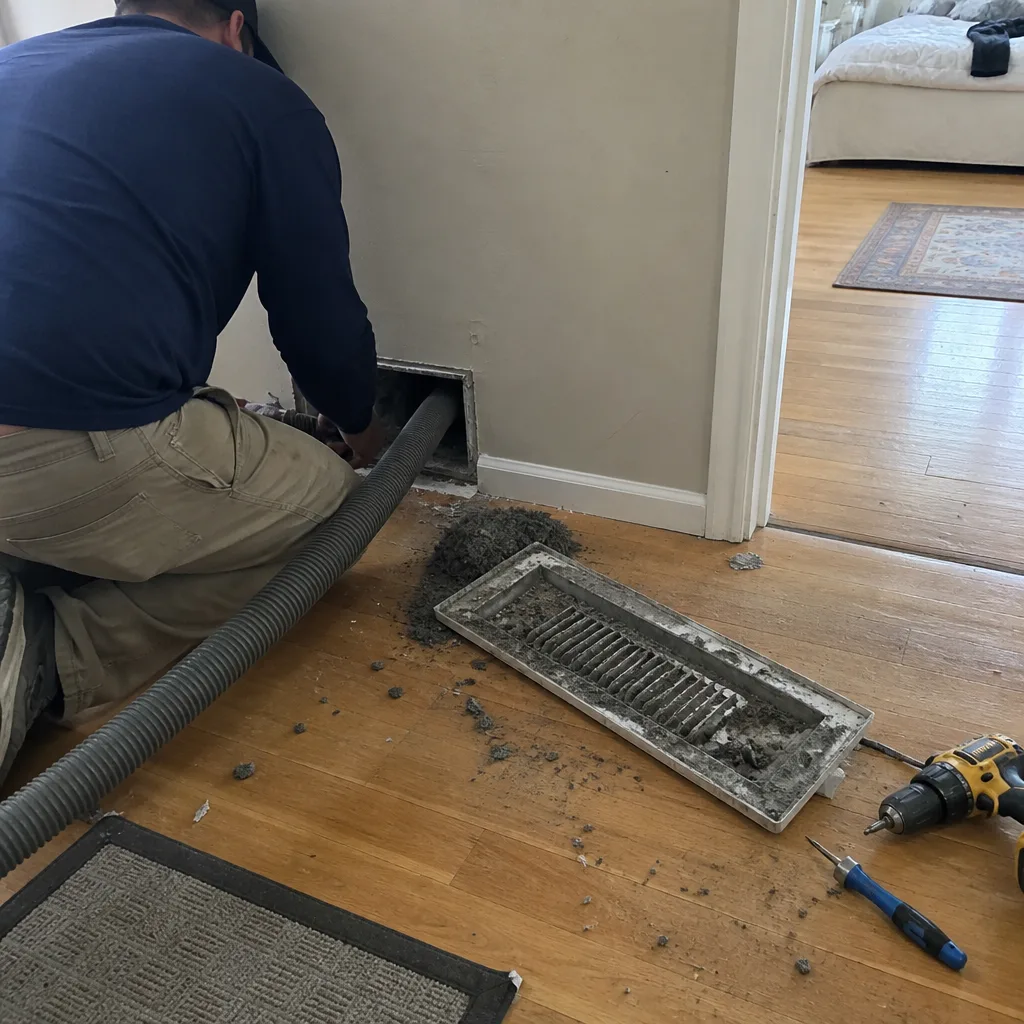 Before
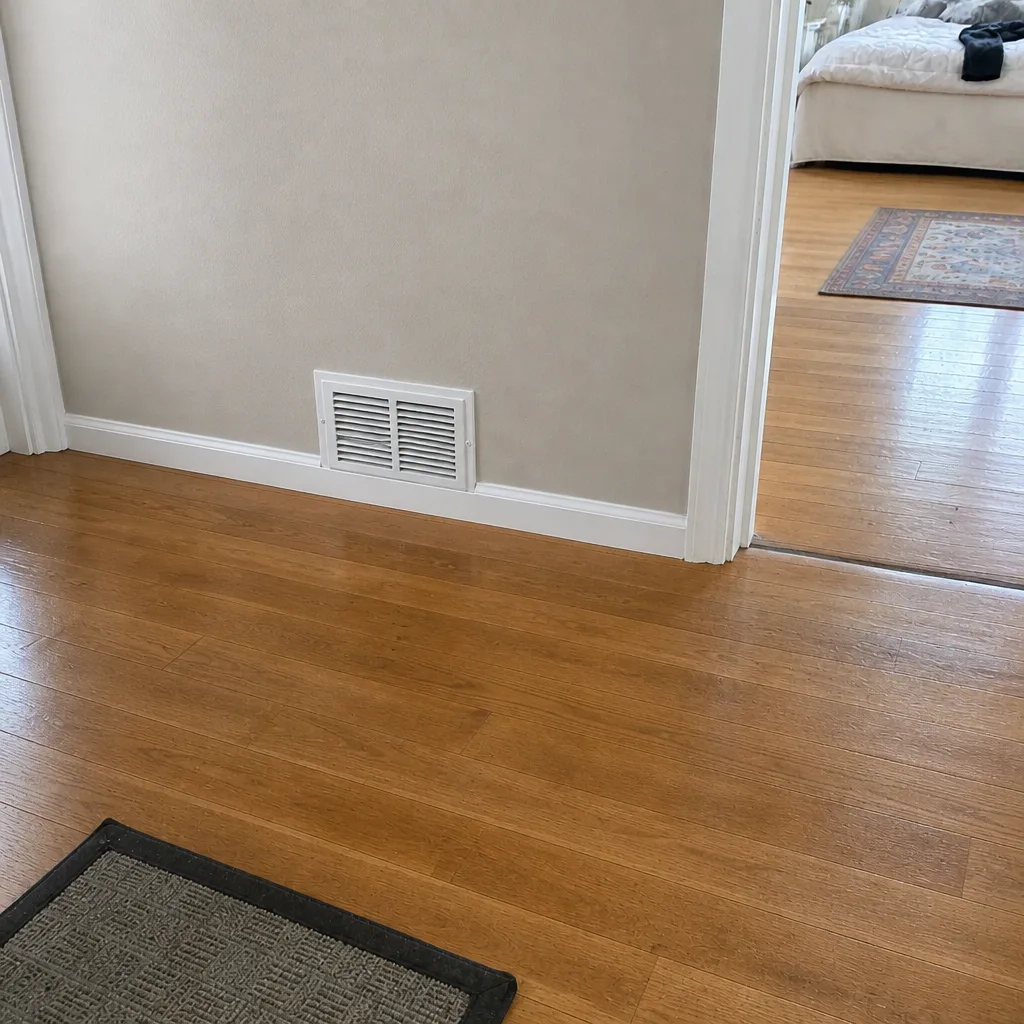 After
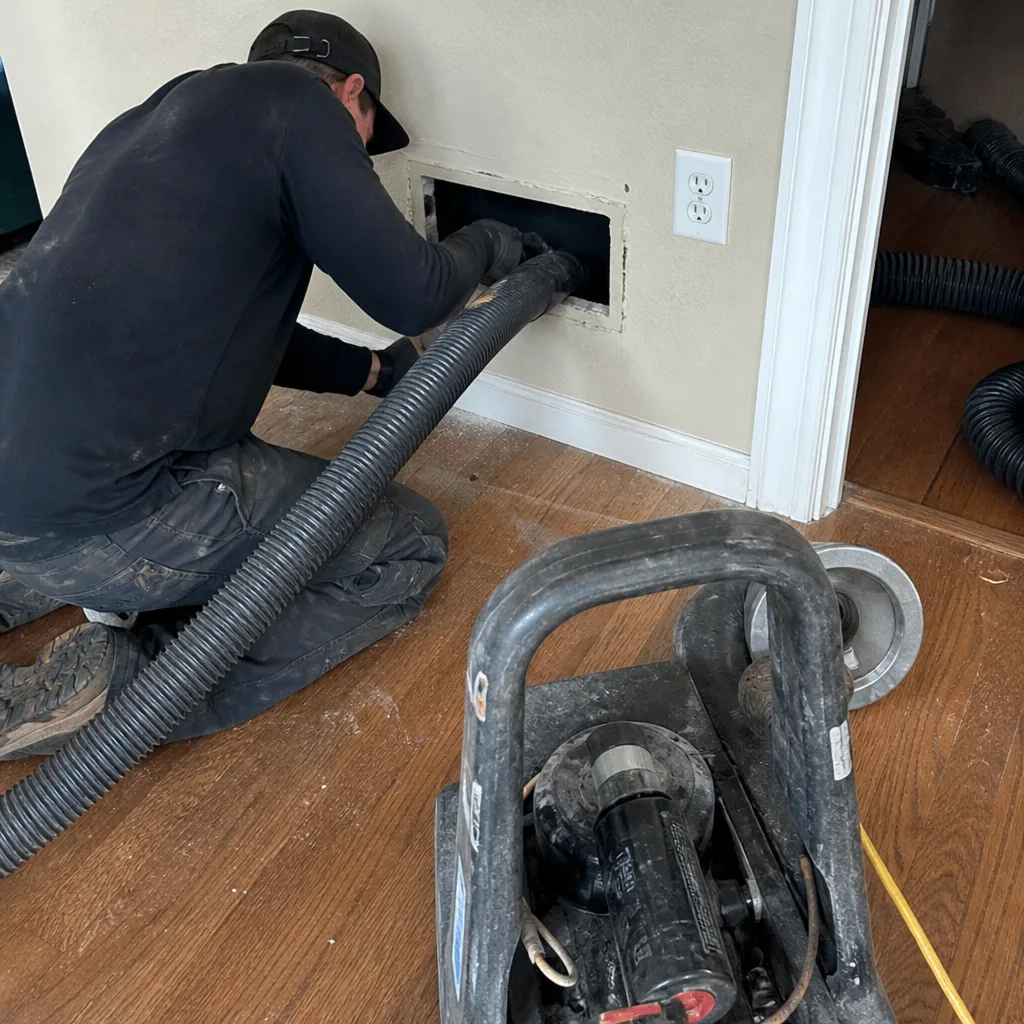 Before
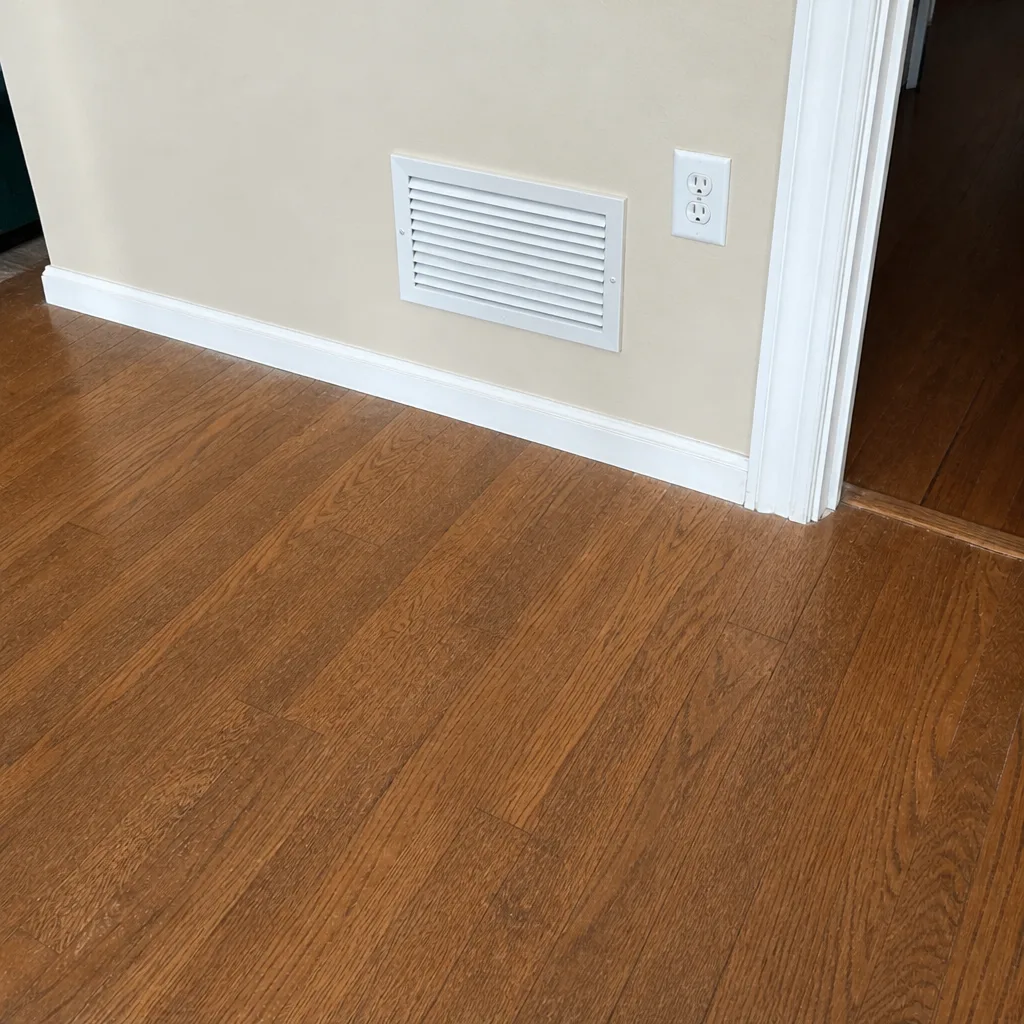 After
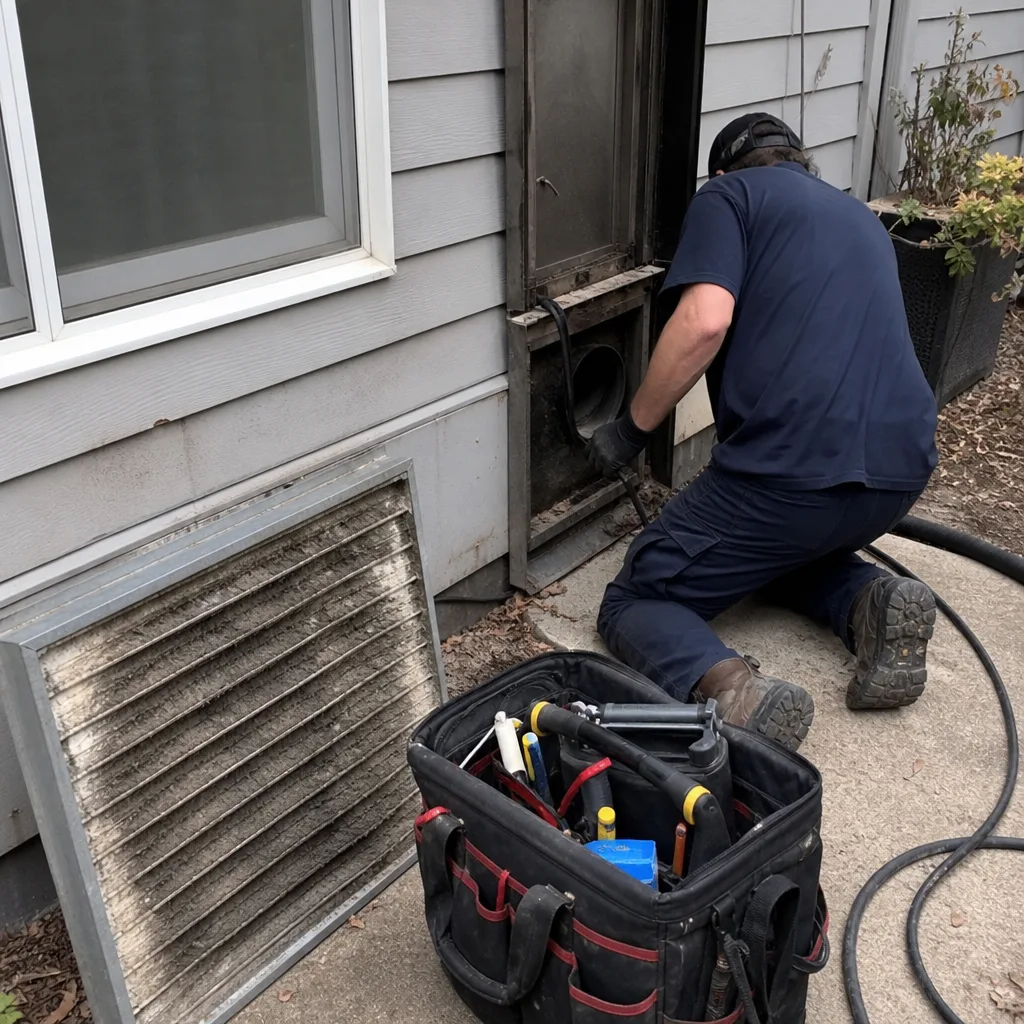 Before
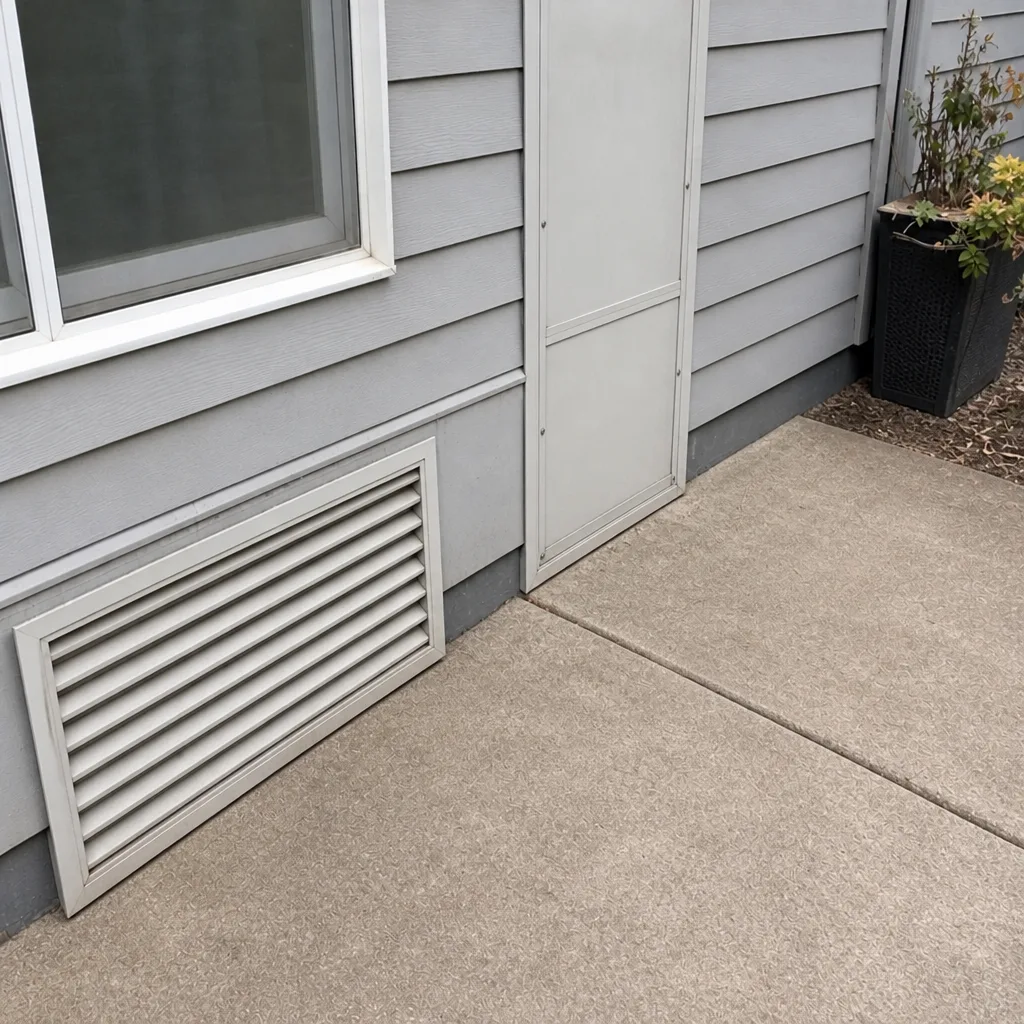 After