
Last updated November 24, 2026
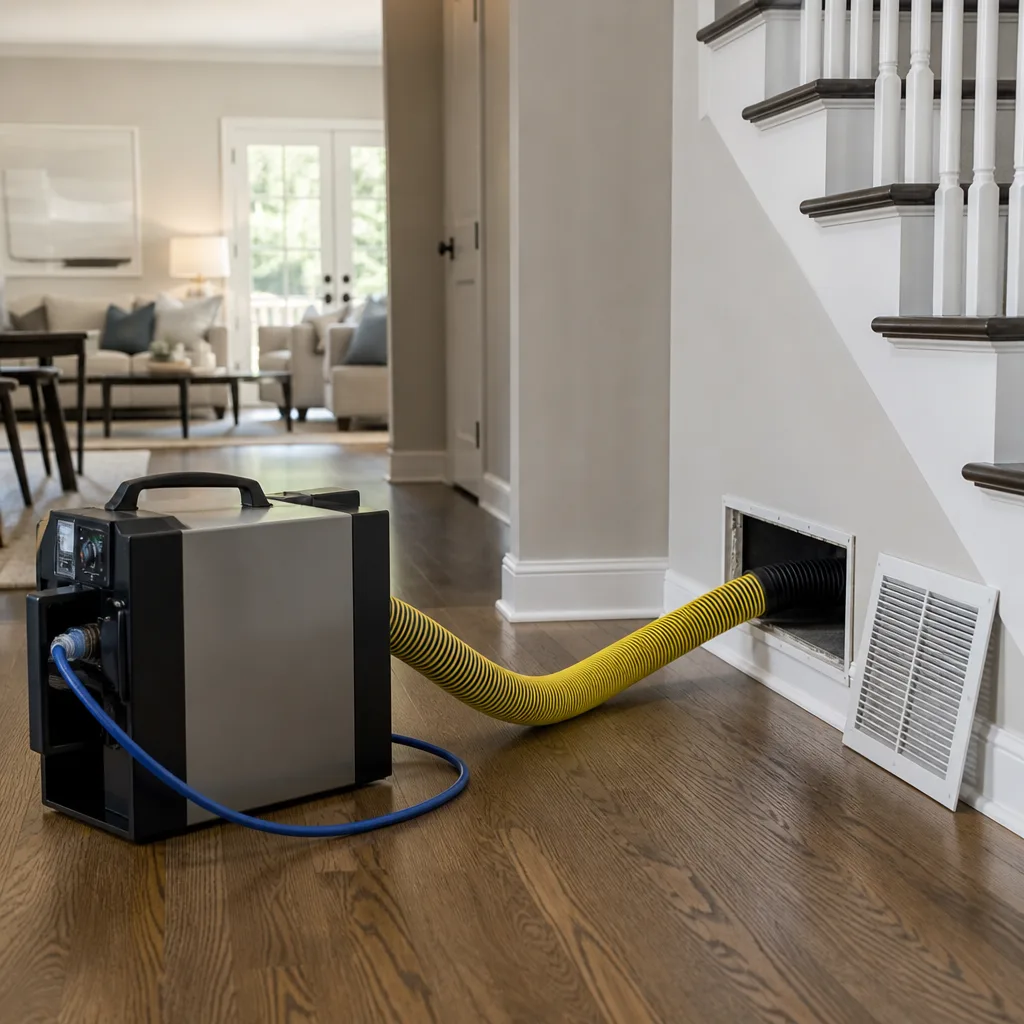 Whole-home duct cleaning
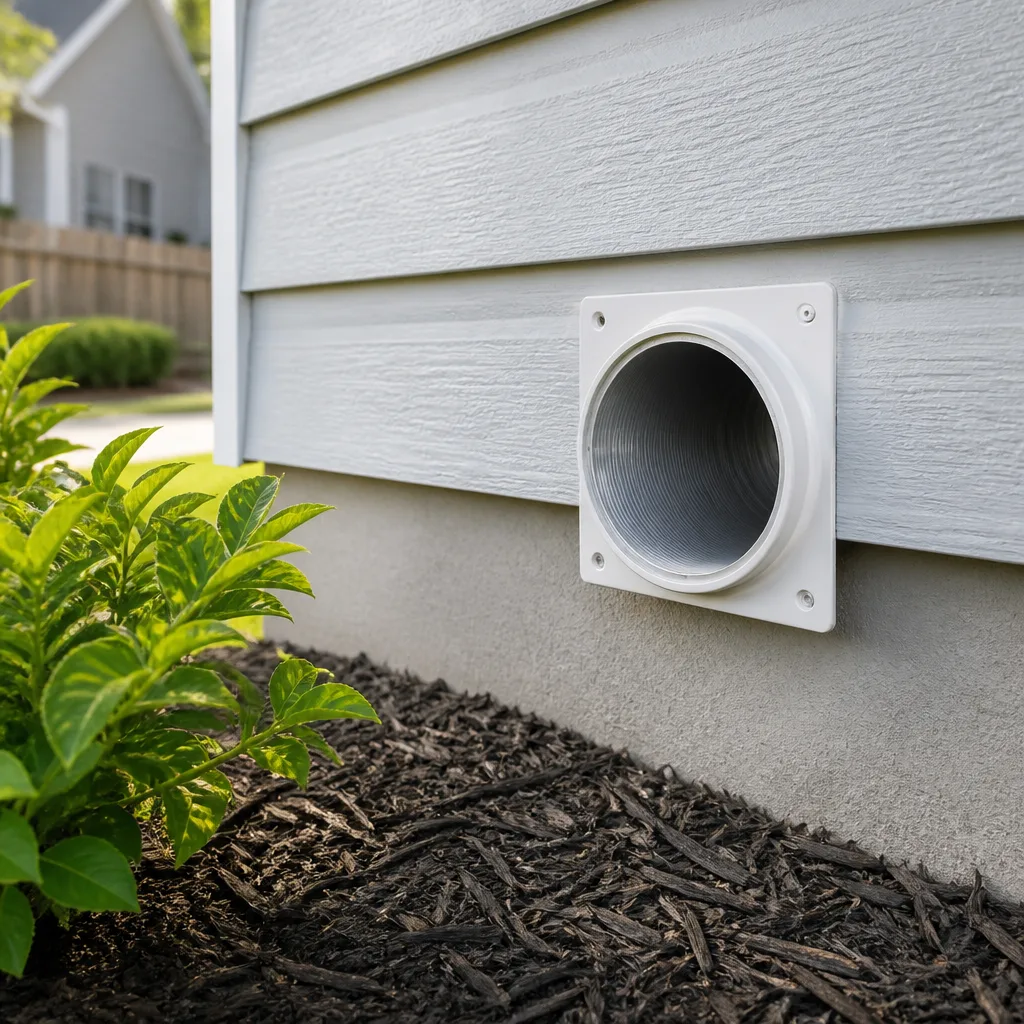 Dryer vent cleaning
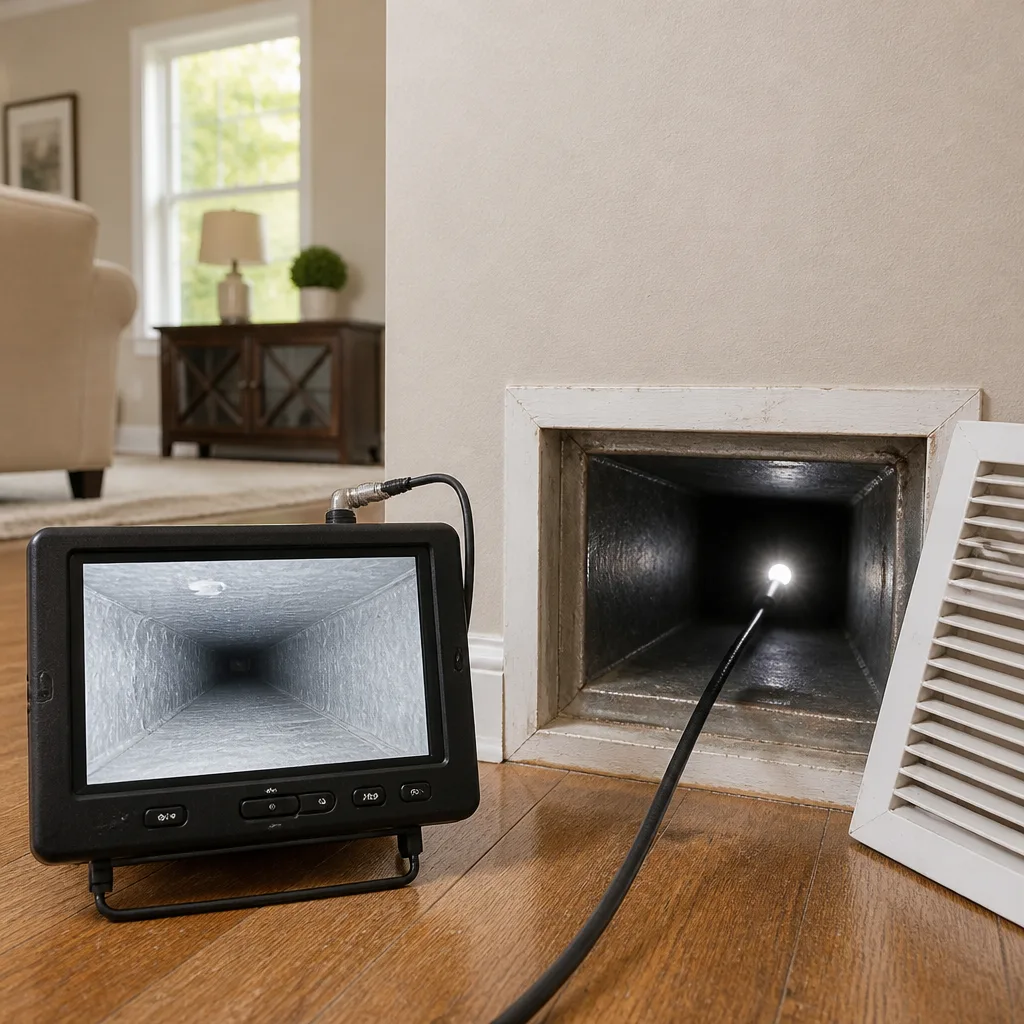 Camera inspection
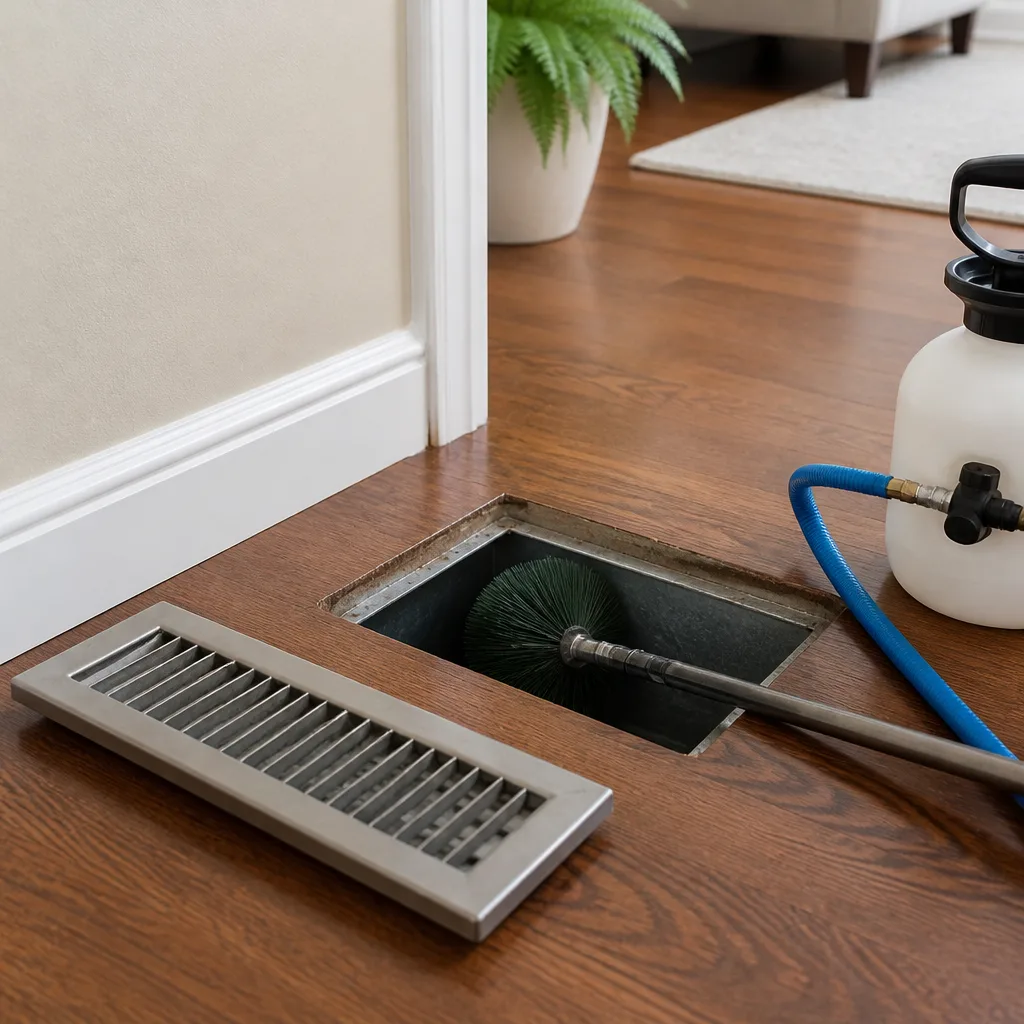 Sanitizing & deodorizing
Whole-system duct and dryer vent check with before-and-after photos - you see exactly what came out of your vents
That "$99 whole-house special" is a bait ad - the real number appears once they are in your hallway, or the "clean" is a shop-vac at the register. We photograph the inside of your ducts before and after instead.
Air Duct Cleaning Warning Signs: A Tallyn’s Reach Homeowner’s Reference Guide
Most warning-sign lists for ductwork are vague by design. “Dusty house” and “musty smell” get repeated everywhere because they’re safe, and because almost no one explains what those symptoms actually point to. That’s a problem, because the useful indicators of a duct system in trouble are specific, locatable, and often something you can test yourself with a hand and a notepad. In this guide you’ll learn a symptom-to-cause framework: register airflow comparison, dust-pattern analysis, HVAC runtime tracking, and odor differentiation. Each one narrows down what kind of problem is developing in the ductwork of a Tallyn’s Reach home, and whether cleaning is the right response at all.
Quick Answer
The main warning signs of problematic ductwork are uneven airflow between registers, dust streaks on walls and ceilings near supply vents, HVAC runtimes that keep getting longer, and a smell that changes by room. The key distinction: airflow and odor problems often point to a restriction or a leak, not just accumulated dust. Airflow that’s reduced at one register while others are strong, or a persistent musty smell, usually needs an inspection before anyone starts cleaning.
Styles & brands we work with
- Whole-home duct cleaning
- Dryer vent cleaning
- Camera inspection
- Sanitizing & deodorizing
Table of Contents
- Warning Sign 1: One Register Blows Weaker Than the Rest
- Warning Sign 2: Reading Your Dust Patterns
- Warning Sign 3: Your HVAC Is Running Longer Than It Used To
- Warning Sign 4: What the Smell Is Telling You
- Warning Sign 5: What You Can See Inside the Register
- When the Signs Point to Repair and Sealing, Not Cleaning
- A Related Warning Sign Most Homeowners Overlook
- How to Build a Simple Annual Duct Check
Warning Sign 1: One Register Blows Weaker Than the Rest
A single register that blows noticeably weaker than others in the same zone is usually a duct restriction indicator, not an HVAC capacity problem. That distinction matters, because a lot of homeowners replace air handlers or call an HVAC company about a “weak system” when the real issue is a crushed flex run, a collapsed joint, or debris packed into an elbow somewhere between the main trunk and the vent.
You can run a basic hand-test audit yourself in about fifteen minutes. It won’t tell you the exact cause, but it will tell you whether your system is behaving normally.
- Turn the system to fan-only mode so you’re only testing airflow, not hearing the compressor cycle.
- Walk to every supply register in the house, holding the back of your hand about two inches from the grille.
- Rank each register on a simple scale: strong, normal, weak, or barely moving air.
- Note any register that’s clearly weaker than the others, especially if it’s on the same thermostat zone.
- Compare a second time, a few minutes later, to rule out a momentary damper position.
If one register in a zone is weak and the rest are fine, that’s a strong signal of a local restriction. If every register in the house is weak, that’s more likely a blower, filter, or main-trunk issue, which is a different inspection. In Tallyn’s Reach, where a lot of homes have long duct runs through unconditioned attic space, flex duct is common, and flex duct is the first thing kinks or sags over time.
For a deeper explainer of what a full system cleaning actually involves, see our guide to air duct cleaning.
Warning Sign 2: Reading Your Dust Patterns
Dust is everywhere; the pattern is what tells you something. Generic advice stops at “dusty house.” The useful version asks where the dust is collecting and what shape it’s taking. Dust streaks radiating from a supply register, dark shadow lines around a register collar, and a persistent film on the wall directly above a vent are all different signals.
Here’s a simple way to read what you’re seeing:
- Streaking above a supply register: the vent grille and the register boot are pushing air with enough velocity to carry dust out before it can drop into the room. That points to debris at the register itself, or to a duct that’s undersized for the airflow it’s being asked to deliver.
- Dark soot-like lines around the register collar: air is escaping at the joint between the duct and the wall or ceiling. That’s a leak, and leaks pull in attic or crawlspace dust on the suction side of the system.
- A fine, even film on horizontal surfaces: this is what ordinary household dust looks like when it’s not concentrated near a vent. It’s not a duct warning sign by itself.
- Heavy dust on the return grille, less elsewhere: the return side of the system is loaded and needs inspection first.
- Dust that feels slightly gritty or looks grey and uniform: often points to construction debris or drywall dust that settled in the ducts and is being re-circulated.
Pattern reading is your first diagnostic tool, because it tells you where to look. If the streaks cluster around two or three registers in Tallyn’s Reach rather than the whole house, a full system cleaning may be the wrong scope; a register-by-register inspection makes more sense. A trained technician using a Nikro HEPA-rated vacuum can see what’s actually inside a suspect run and confirm the pattern in minutes.
Warning Sign 3: Your HVAC Is Running Longer Than It Used To
An HVAC system that’s slowly running longer cycles is a leading indicator of a loading duct system, and most homeowners never connect the two. It happens quietly. The system still heats and cools the house. It just takes longer to do it, month after month, and the utility bill absorbs the difference.
You don’t need a monitoring system to spot it. A simple written log works.
- Pick a three-day stretch of similar outdoor weather and note the time the outdoor unit runs on startup.
- If the system cycles on and off, write down roughly how many minutes each cycle lasts.
- Repeat the same log once a month, ideally during the same type of weather.
- Watch for a trend, not a single reading. A cycle that was twelve minutes and is now eighteen over a few months is a real signal.
Longer runtimes are driven by one of a few things: a restricted return path, a dirty evaporator coil, a system that’s losing conditioned air to a leaking duct, or debris blocking supply airflow. A restricted duct system loads the blower, the blower pulls harder, and the whole thing works harder to move the same volume of air. Professional HVAC cleaning addresses the coil, blower, and cabinet side of the equation alongside the ducts, which is why we don’t treat the two as separate jobs.
In Tallyn’s Reach, where summer afternoons push the system hard and winter nights are cold enough to run heat continuously, the runtime signal shows up more clearly than in milder climates. If your log shows the trend, get the system inspected before you start replacing components.
Warning Sign 4: What the Smell Is Telling You
Odor is the most misread warning sign, because it always gets lumped into one generic warning: “musty smell.” In practice, three distinct smells point to three distinct problems. If you can tell them apart, you’ll know whether you’re looking at a moisture problem, a first-heat accumulation issue, or something inside the duct liner itself.
- Musty or damp smell: moisture somewhere in the system. Common causes are condensation on the evaporator coil, a wet filter, or high humidity in an unconditioned attic duct run. If it’s mold or microbial growth, cleaning and sanitizing alone may not be enough; the moisture source has to be found and corrected. That’s the kind of scenario where we’d deploy Abatement Technologies equipment to handle airborne spores and particulate properly, not just a standard vacuum.
- Burning dust smell at first heat: on the first few heating cycles of the season, a light burning-dust smell is almost always accumulated dust settling on the heat exchanger. If it disappears after a few days, the system is doing what it naturally does. If it persists past the first week of heating, or it appears mid-season, treat it as a real signal and have it inspected.
- Chemical or plastic smell: in older duct systems with internal liner, a chemical odor can point to off-gassing or a deteriorating liner. It’s not a cleaning problem, and it may mean the affected section of duct needs replacing.
Room-by-room odor testing is worth doing. Walk into each room with the system running and note whether the smell is stronger or weaker in one area. A smell that’s concentrated in one room usually traces back to a specific duct run.
Warning Sign 5: What You Can See Inside the Register
You don’t need a camera to see some warning signs. Pull a register cover off in a few rooms (they lift or unscrew from the wall or floor, and you can set them back on without disturbing the system) and use a flashlight to look straight down the boot into the duct. Don’t put your hand or tools inside the duct. What you’re looking for:
- Visible dust buildup that coats the interior walls of the boot, thick enough to hold a fingerprint.
- Dark discoloration or fuzzy growth, which points to moisture.
- Drywall dust, sawdust, or construction grit, which points to a renovation that was completed without sealing registers.
- Debris settled at the bottom of a vertical drop, which is common in flex runs that sag.
- Loose liner material or flaking interior surfaces on older rigid duct.
If any of these show up at multiple registers, a proper cleaning is well justified. If they show up at just one register, you’re better off with a focused inspection first, because the rest of the system may not need the same treatment. That’s a judgment call a technician should make on-site with the equipment on hand – our technicians have up to 14 years of experience, and a Rotobrush rotary cleaning system is standard on every duct job precisely because visible surface dust only tells part of the story.
When the Signs Point to Repair and Sealing, Not Cleaning
Here’s the mistake the generic warning-sign articles never mention: cleaning a leaking duct system is the wrong order. If the ductwork has gaps, disconnected joints, or crushed sections, cleaning moves air and debris through the system, but the system itself is still leaking that air into the attic or wall cavity. You’ll be back in the same spot inside a season.
The warning signs that point to repair or sealing before cleaning:
- Airflow that’s clearly weaker at registers farthest from the air handler, while registers closer start strong.
- Visible gaps or disconnected joints at accessible flex runs in the attic or crawlspace.
- Dust streaks at the register collar, which point to leakage at the register boot itself.
- Draft or temperature difference you can feel around a register even when the system is off.
- A renovation or addition that added ducts onto the existing trunk without proper sealing at the tie-in.
Duct repair and sealing addresses the root cause of both energy loss and re-contamination. Once the system is sealed, cleaning actually holds. If you clean first and seal later, everything you dislodged inland finds its way out through the leaks you haven’t fixed yet.
For a full picture of the broader service our team handles in Tallyn’s Reach, see Air Duct Cleaning Tallyn’s Reach.
A Related Warning Sign Most Homeowners Overlook
Ductwork isn’t the only place airflow tells you something. A dryer that takes two cycles to dry a normal load, a laundry room that feels damp after a dryer cycle, or visible lint accumulation around the outside vent flap are all signs that the dryer vent is restricted. Lint is a fire fuel, and a restricted vent is the kind of problem that doesn’t fail gradually: it fails when it fails.
Check the outside vent flap with the dryer running. If the flap doesn’t lift clearly, or if you can see lint packed in the pipe behind it, that vent needs attention. Dryer vent cleaning is a standalone service precisely because it doesn’t belong back-to-back with duct cleaning in every home, though when both need it, one visit handles both.
How to Build a Simple Annual Duct Check
You don’t need to think about ductwork most of the year. An annual walkthrough takes about twenty minutes and catches most of the warning signs above before they become air-quality problems.
- Run the hand-test audit at every supply register and note any new weak spots versus last year.
- Check dust patterns on the walls and ceilings around each register for new streaks.
- Look inside two or three registers with a flashlight and note any change in visible dust or moisture.
- Walk the house with the system running and note any new smell, and in which room.
- Log a rough HVAC cycle time during a stable-weather week, and compare to last year.
- Check the outside dryer vent flap with the dryer running.
Write the results down. Duct problems are slow, and a year-over-year comparison spots things a single inspection misses. In Tallyn’s Reach, where a lot of homes see full sun exposure on the roof during the cooling season and real cold during the heating season, the swing from one extreme to the other is exactly when marginal ductwork shows its weakness.
Common Mistakes to Avoid
- Assuming one weak register means the whole system needs cleaning. A weak register is often a local restriction, and cleaning the entire system won’t fix a crushed run or a collapsed flex duct. Get the restriction inspected before committing to a full cleaning.
- Cleaning before checking for leaks. If the duct system has gaps or disconnected joints, cleaning first just re-dirties the system. Seal first, clean second.
- Replacing an HVAC unit before looking at the ducts. A system that’s running longer could be a duct restriction rather than a failing compressor. Have the duct side inspected first.
- Treating a musty smell as a duct-cleaning problem. Musty odor points to moisture. Cleaning the duct without finding the moisture source will have you back at the same problem inside a season.
- Ignoring chemical or plastic smells in an older home. Duct liner off-gassing in an older system isn’t a cleaning issue and may need a section of duct replaced. Ask specifically about the liner condition.
- Using a shop vacuum to “clean” a register. A shop vacuum doesn’t provide containment, and it stirs up more than it removes. The whole point of equipment like a Nikro HEPA-rated vacuum is to keep dislodged debris from ending up in the room.
- Forgetting the dryer vent. A restricted dryer vent is a fire risk, not just an inefficiency. It belongs on the annual checklist alongside the ducts.
See the difference
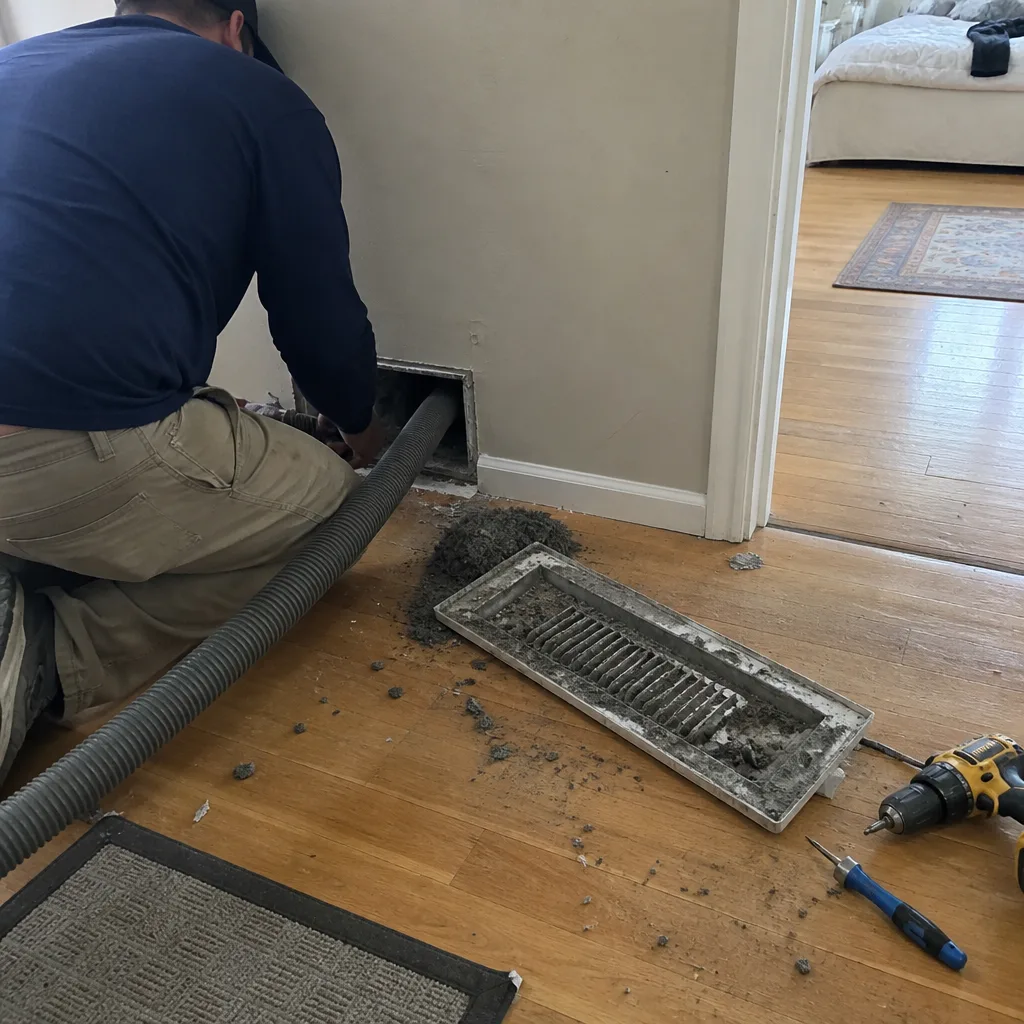 Before
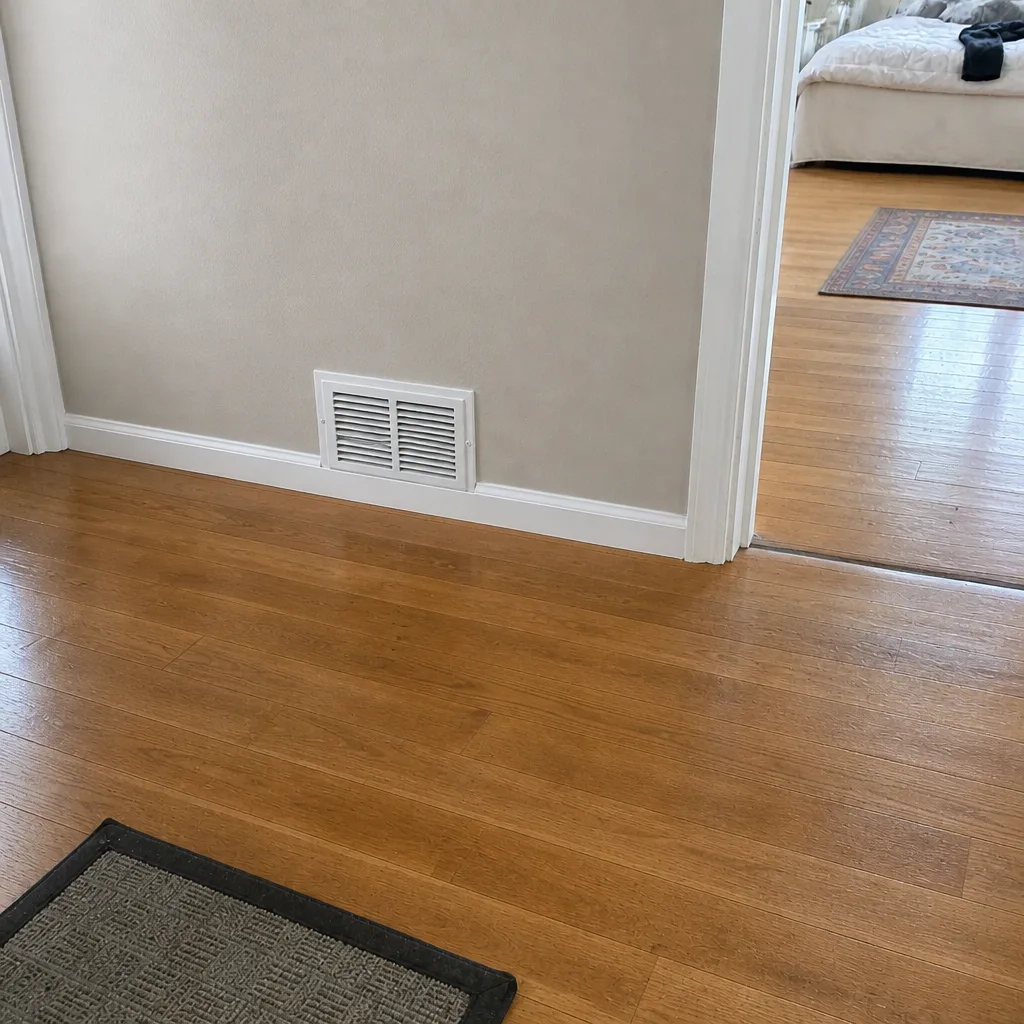 After
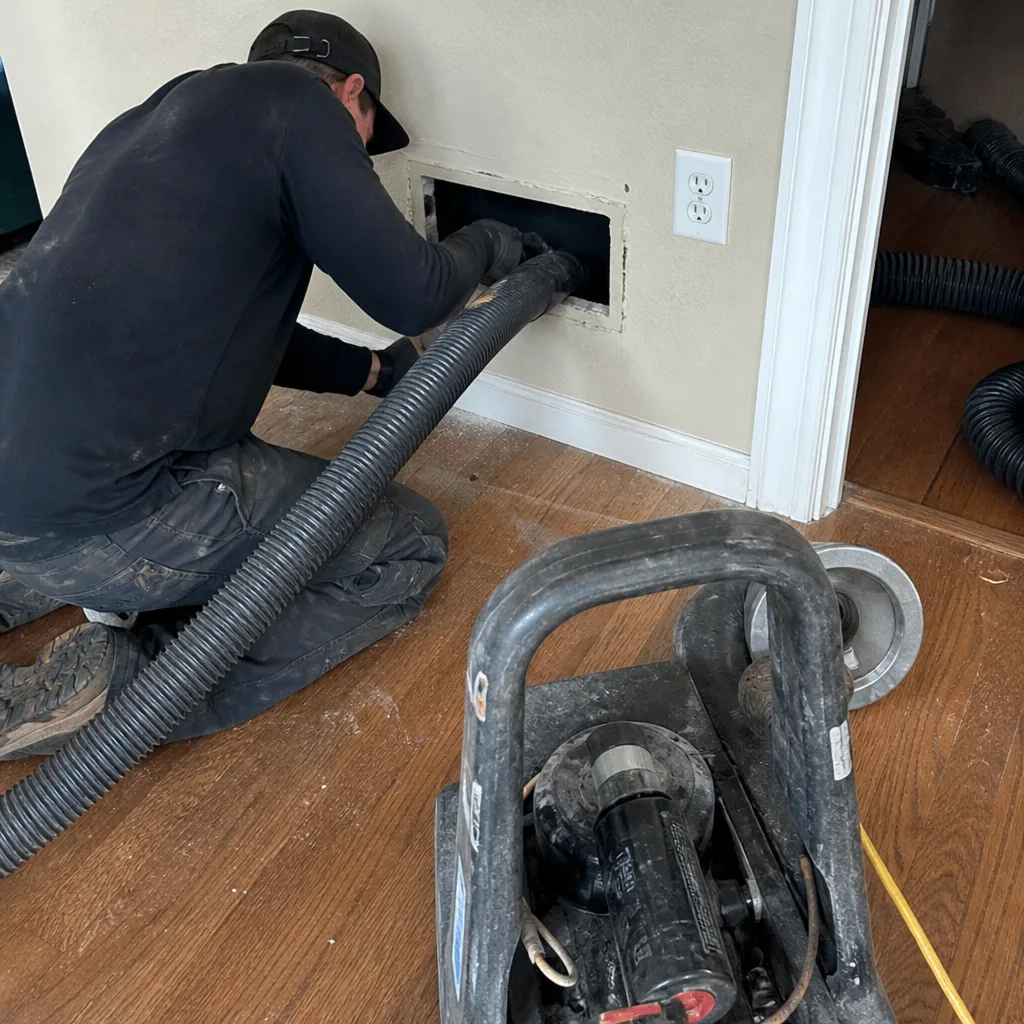 Before
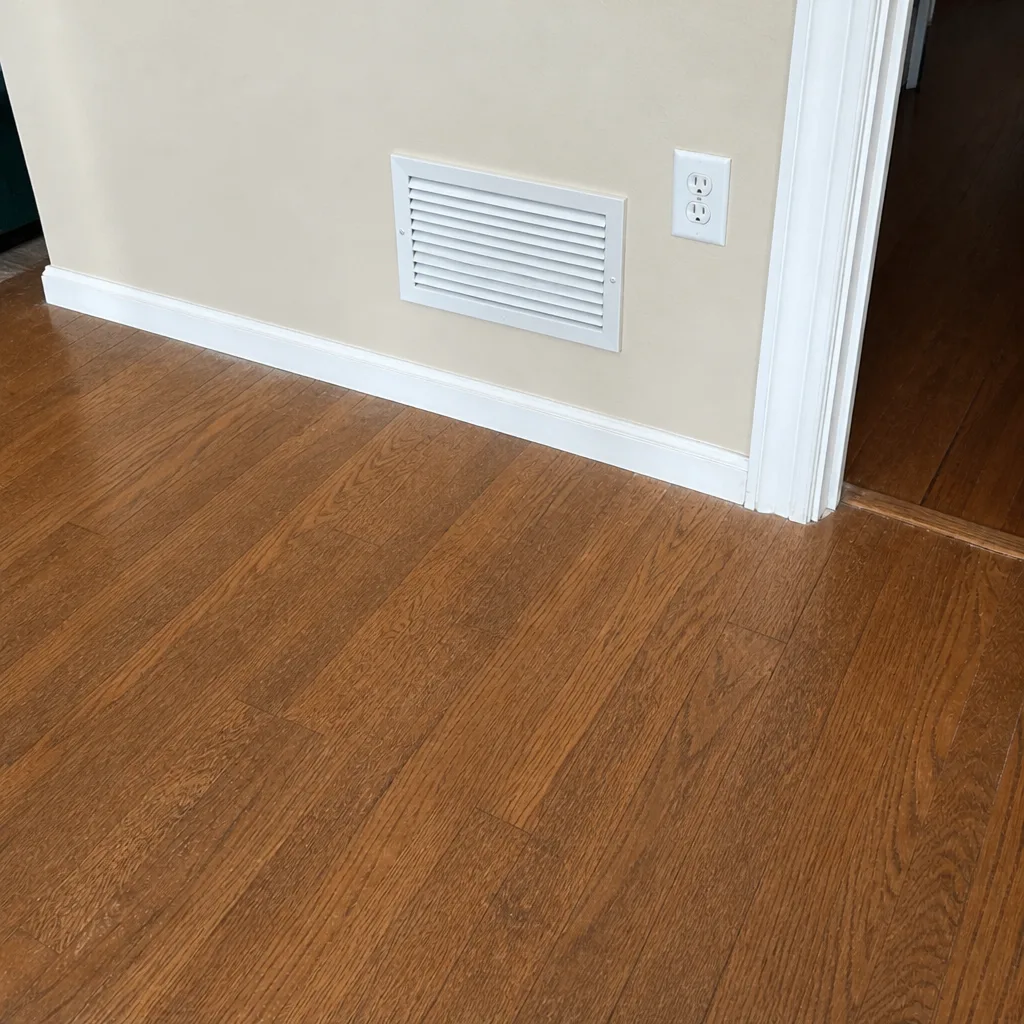 After
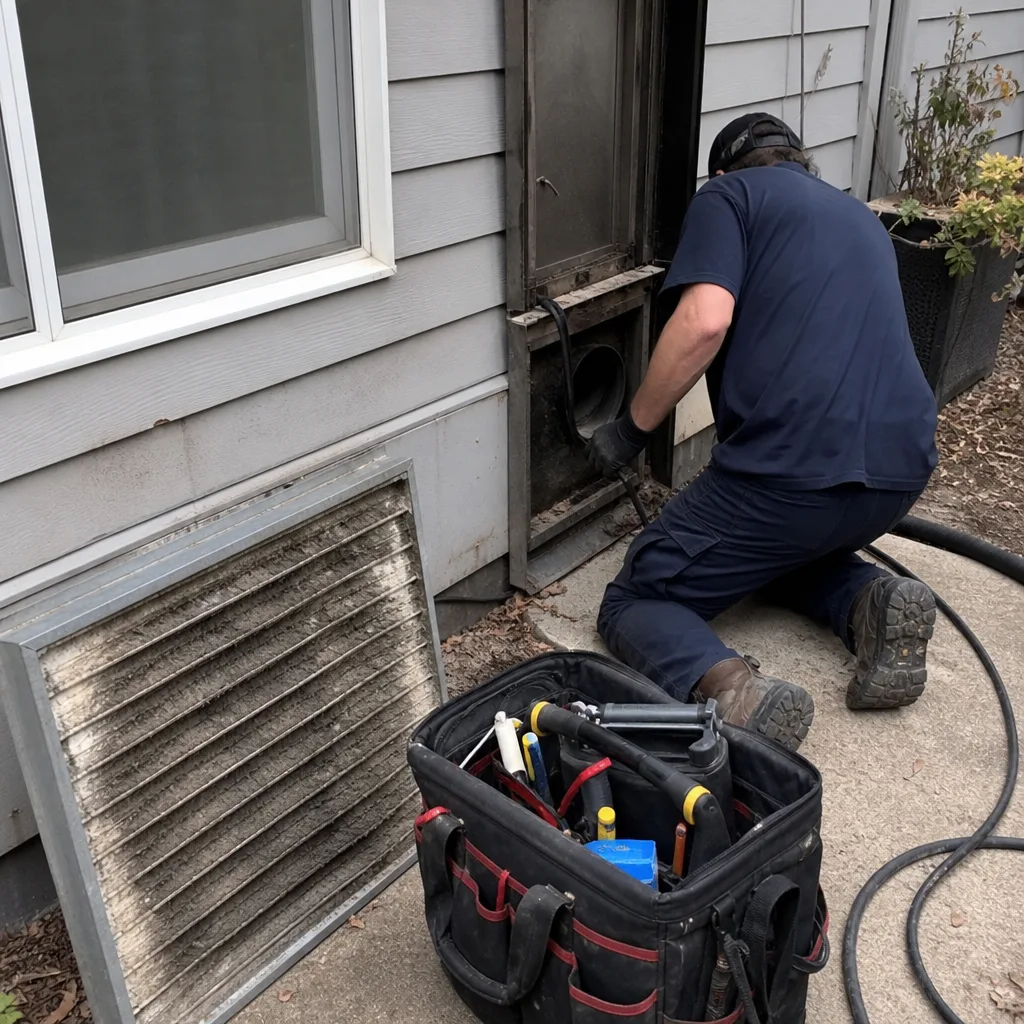 Before
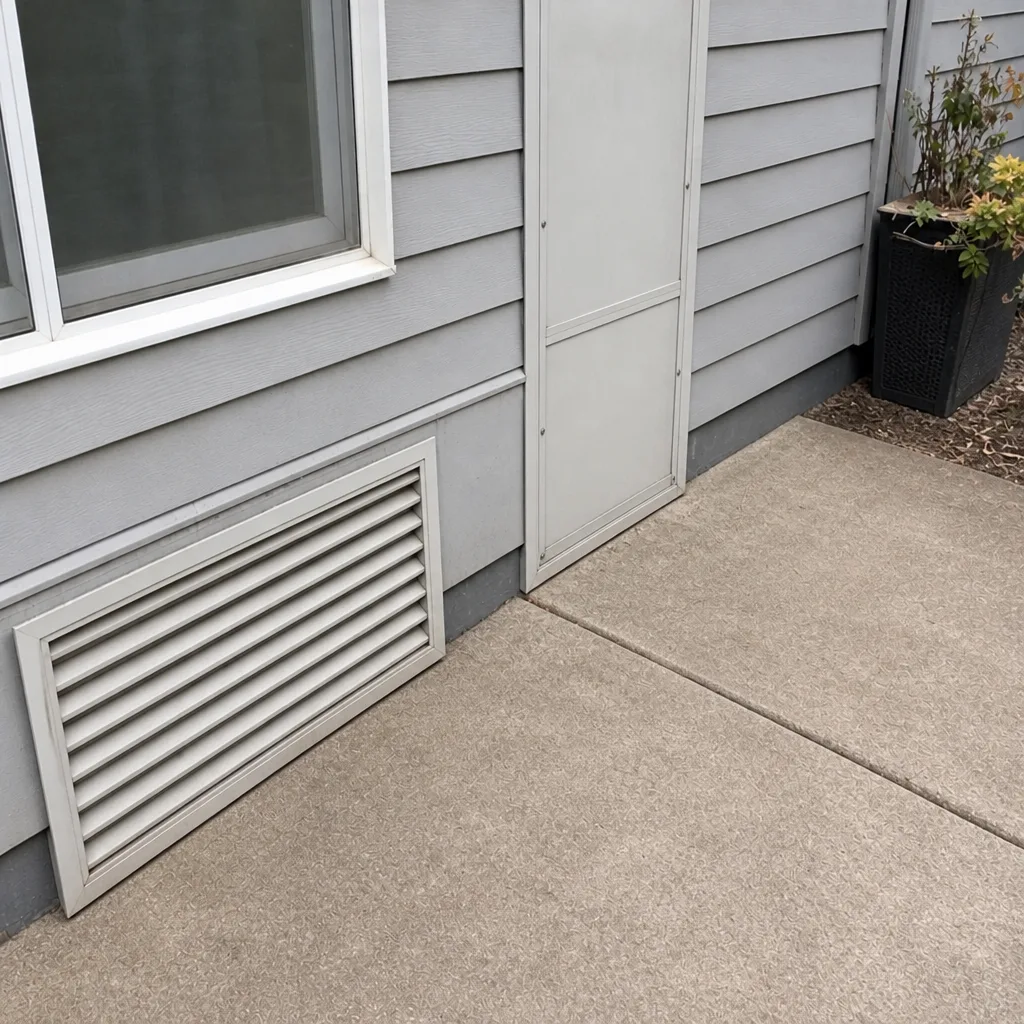 After
When to Call a Professional
Call a professional when any of the following are true. One register blows clearly weaker than the rest and stays that way after a filter change. You see dust streaks, soot lines, or visible dust buildup at multiple registers. Your HVAC runtime has trended longer over several months with no other explanation. You smell mustiness, a persistent burning-dust smell past the first week of heating, or a chemical odor from an older system. Or the outside dryer vent flap doesn’t open cleanly with the dryer running. These are the cases where the diagnostic work needs professional-grade tools. Air Duct Cleaning Tallyn’s Reach offers free estimates in Tallyn’s Reach. Call (855) 550-7311. We answer 24/7. Fast dispatch from 7am to 7pm, Sunday through Friday.
Frequently Asked Questions
The clearest single sign is uneven airflow between registers on the same zone. One register blowing weaker than the rest is a specific, locatable indicator and usually points to a local restriction in that run. If that pattern shows up in your Tallyn’s Reach home, have the duct system inspected before assuming the HVAC unit is at fault. Call (855) 550-7311 for a free estimate. We answer 24/7. Fast dispatch from 7am to 7pm, Sunday through Friday.
Most homes don’t need it on a fixed schedule. The triggers are the warning signs in this guide: visible dust buildup at multiple registers, a musty smell, an extended HVAC runtime trend, or a recent renovation that produced construction dust. Homes with pets, allergy sufferers, or a history of moisture in the system often benefit from a more frequent review, but the right cadence is based on inspection, not a calendar. Call (855) 550-7311 for an exact assessment. Estimates are free.
Low quotes usually reflect a smaller scope, not a lower cost for the same work. A low quote is often for surface cleaning of the accessible runs only, without HEPA-rated containment, sanitizing, coil and blower cleaning, or a check for leaks and restrictions. When you compare quotes, ask what equipment is used, whether the return side and HVAC cabinet are included, and whether repair and sealing are on the list. Call (855) 550-7311 for a detailed free estimate. We answer 24/7. Fast dispatch from 7am to 7pm, Sunday through Friday.
Ask before work begins what you’ll see at the end. A thorough job should leave clear evidence of what was removed and what condition the ducts were in before and after. We use professional-grade equipment – Rotobrush and Nikro – precisely because the equipment itself is part of the proof. Ask for a walkthrough of what was found in each major run, and ask whether sanitizing or sealing was recommended and why. Call (855) 550-7311 for a free estimate. We answer 24/7. Fast dispatch from 7am to 7pm, Sunday through Friday.
No. A musty smell points to moisture somewhere in the system, and the moisture source has to be found first. Condensation on the evaporator coil, a wet filter, or damp insulation around an attic duct run are common culprits, and cleaning without addressing the moisture source won’t fix it. When airborne spores or elevated particulate are involved, we use Abatement Technologies equipment to handle the remediation properly. Call (855) 550-7311 for a free assessment. We answer 24/7. Fast dispatch from 7am to 7pm, Sunday through Friday.
Yes, and in most Tallyn’s Reach homes it’s the right time to think about it. We work with Aprilaire and Honeywell solutions for filtration and humidity control, so if the system’s airflow is already being addressed, upgrading the filter or adding humidity control can be handled in the same visit. That’s part of why we treat duct cleaning, HVAC cleaning, and air quality improvement as one connected system rather than separate jobs. Call (855) 550-7311 for a free estimate. We answer 24/7. Fast dispatch from 7am to 7pm, Sunday through Friday.
The Bottom Line
Warning signs in a duct system aren’t vague. One weak register in an otherwise strong zone points to a local restriction. Dust streaks at a register collar point to a leak. A steadily lengthening HVAC runtime points to a system that’s working harder than it should. A musty smell points to moisture, and a chemical smell points to the liner. Read the signs in that order, and you’ll know whether the fix is cleaning, sealing, or something else. If you’re not sure, the right move is an inspection – not a guess. Air Duct Cleaning Tallyn’s Reach offers free estimates in Tallyn’s Reach. Call (855) 550-7311. We answer 24/7. Fast dispatch from 7am to 7pm, Sunday through Friday.
Written by the team at Air Duct Cleaning Tallyn’s Reach.