
Last updated November 24, 2026
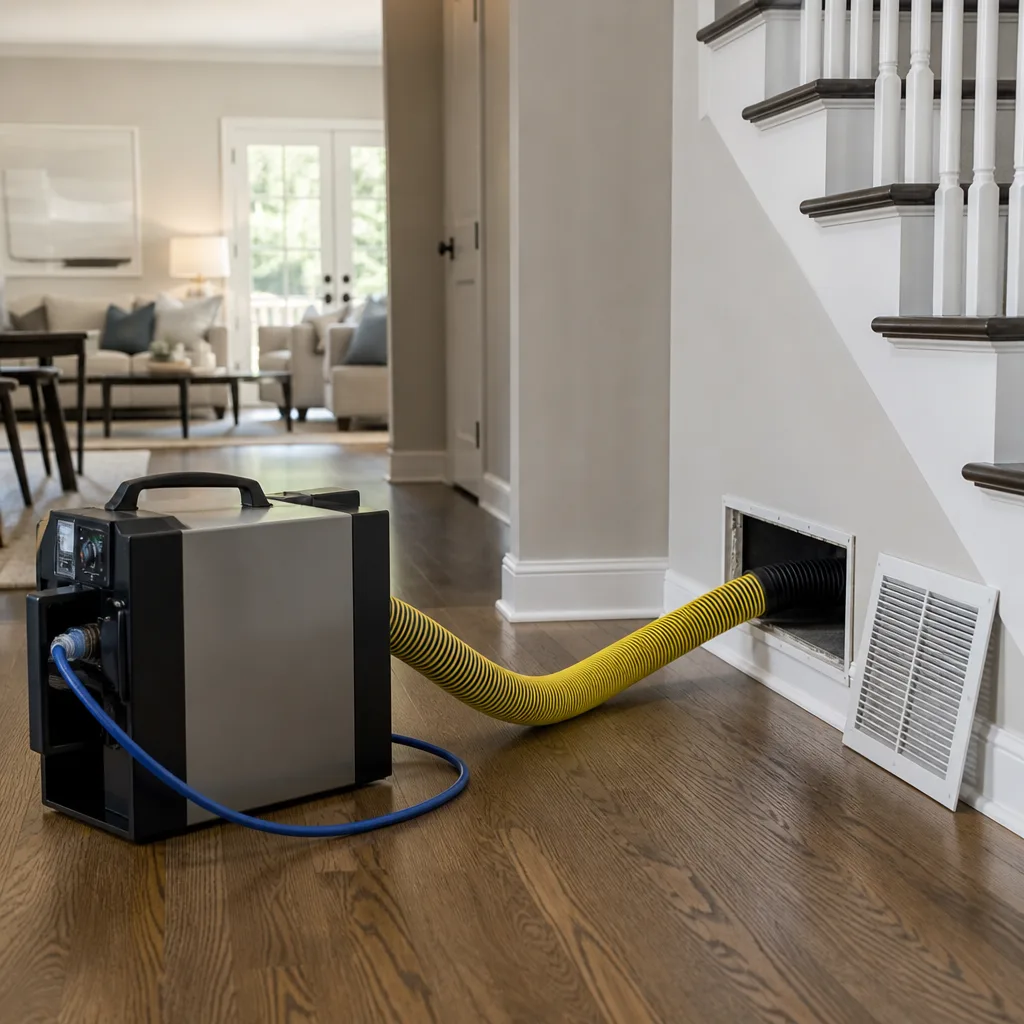 Whole-home duct cleaning
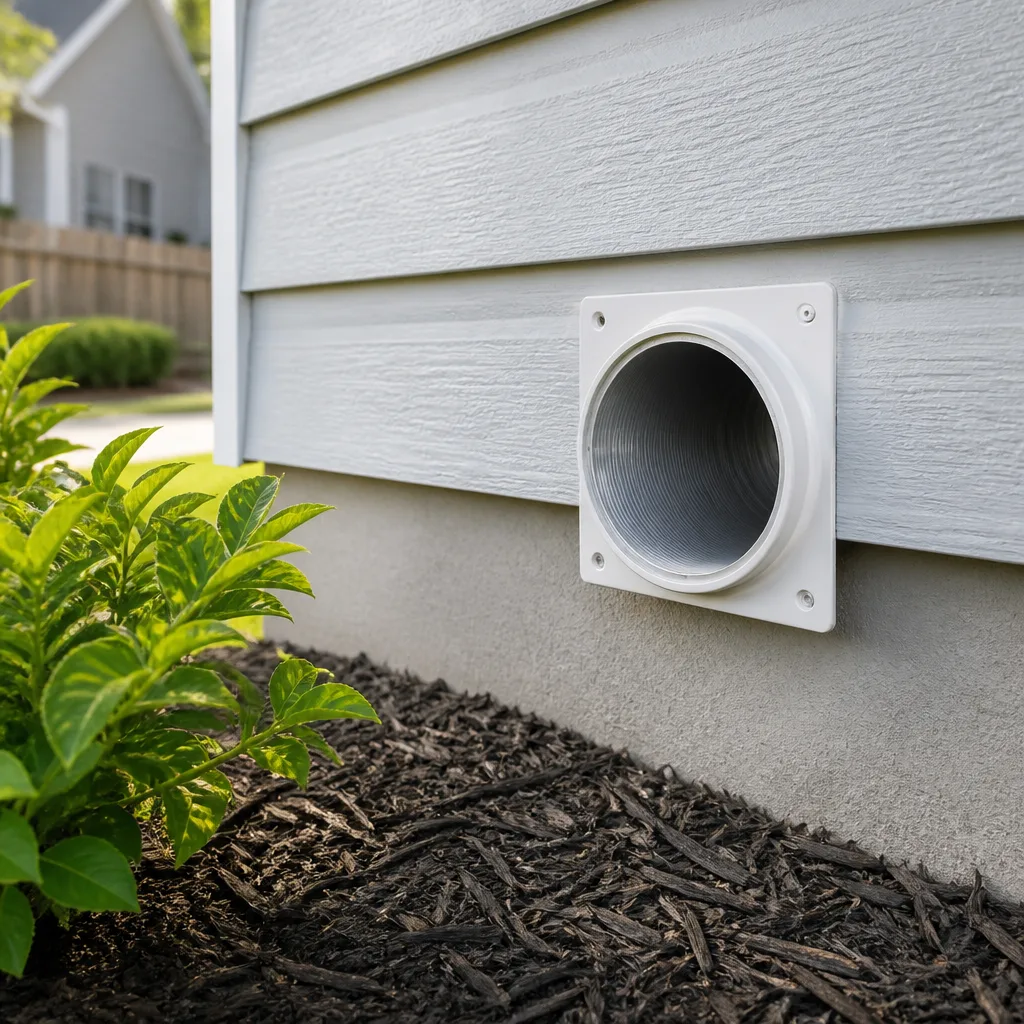 Dryer vent cleaning
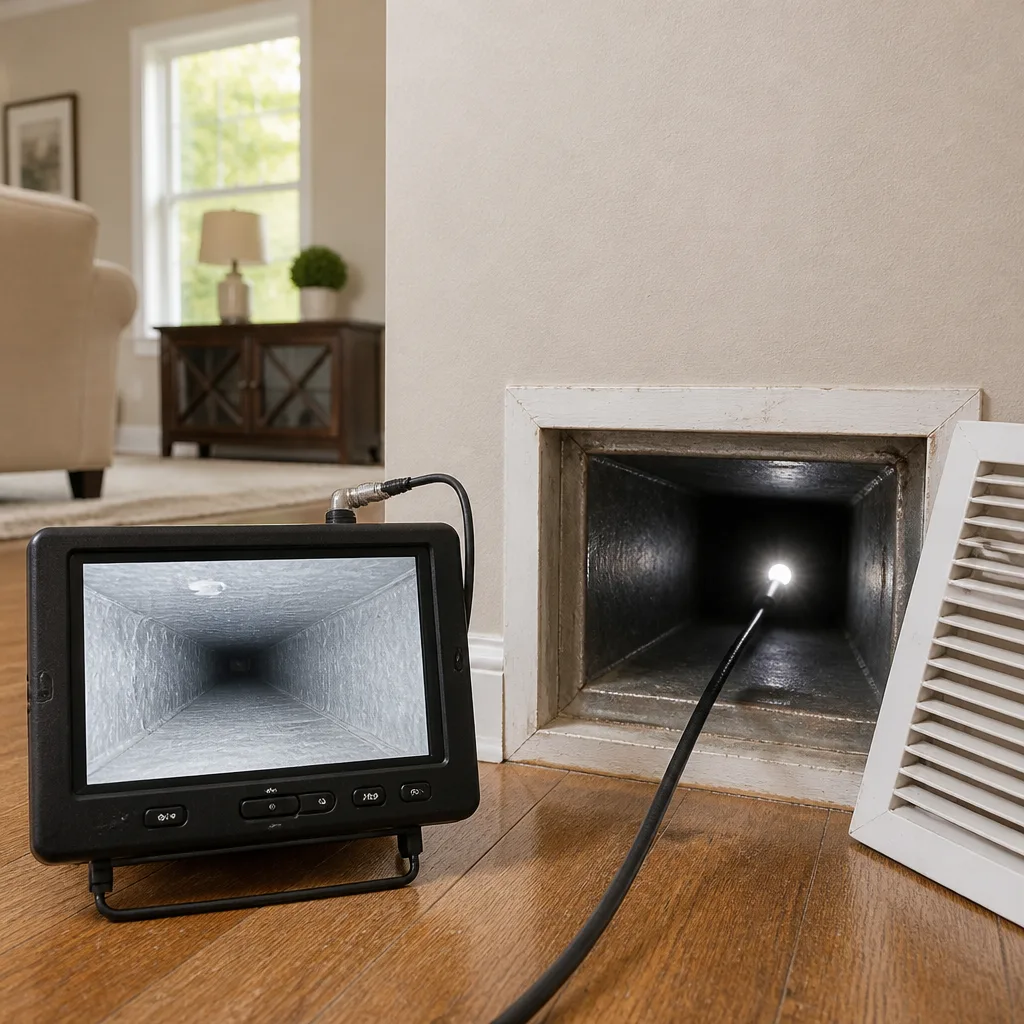 Camera inspection
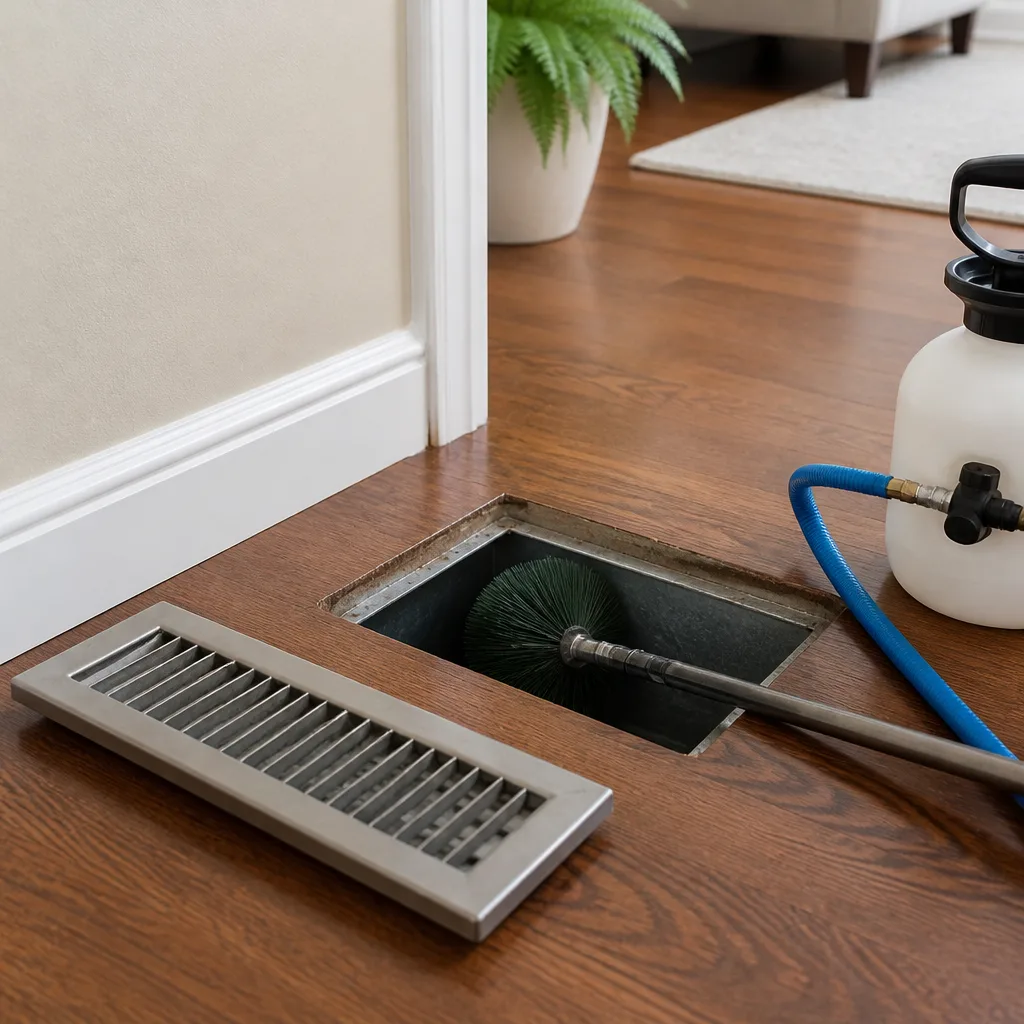 Sanitizing & deodorizing
Whole-system duct and dryer vent check with before-and-after photos - you see exactly what came out of your vents
That "$99 whole-house special" is a bait ad - the real number appears once they are in your hallway, or the "clean" is a shop-vac at the register. We photograph the inside of your ducts before and after instead.
DIY vs Professional Air Duct Cleaning: The Tallyn’s Reach Homeowner’s Decision Guide
Every brush-and-vacuum kit sold for do-it-yourself duct cleaning works on the first 12 to 18 inches of a register opening. That’s roughly the same short stretch a technician clears in the first 30 seconds of a professional job, before the actual work even starts. Everything beyond that reachable stub – the trunk lines, the branch runs feeding each room, the plenum above your furnace – sits behind sheet metal you can’t see into and can’t reach with a six-foot hose. In this guide, we break down exactly what your own hands and a shop vac can accomplish, where that approach stops being useful, and what changes when negative-pressure equipment enters the equation. By the end, you’ll have a clear way to decide for your own Tallyn’s Reach home.
Quick Answer
DIY air duct cleaning only makes sense as routine upkeep of the surfaces you can physically reach – register covers, filters, the visible throat of a return grille. It cannot clean the full duct system, because the interior of your trunk lines and branch runs requires rotary agitation and negative-pressure containment that no homeowner tool provides. Professional cleaning is the right call when you’re dealing with contamination, allergy symptoms, a recent renovation, or a system that has never been serviced; DIY maintenance between professional visits is a reasonable way to stretch the interval. We’ll show you exactly where that line falls.
Styles & brands we work with
- Whole-home duct cleaning
- Dryer vent cleaning
- Camera inspection
- Sanitizing & deodorizing
Table of Contents
- What DIY Duct Cleaning Can Actually Reach
- The Surface Area Reality: 15 Percent vs 85 Percent
- Legitimate DIY Tasks That Improve Air Quality
- Where DIY Intervention Makes Things Worse
- The Real Cost Comparison: Kit, Time, and Scope
- What Professional Equipment Does That Yours Can’t
- How to Use DIY Between Professional Cleanings
- Tallyn’s Reach Considerations: Climate, Homes, and Timing
What DIY Duct Cleaning Can Actually Reach
When you pull a floor or wall register in your Tallyn’s Reach home, you’re looking into a branch run that typically extends several feet – sometimes far more – before it meets the main trunk. The reachable section is short. A flexible brush on a drill extends maybe five or six feet if the run is straight and none of the joints catch. A vacuum hose with a crevice tool won’t go past the first elbow. So the do-it-yourself zone is genuinely limited to:
- The register cover itself, both faces and the louvers
- The first 12 to 18 inches of duct interior past the boot
- The visible face of return grilles
- The filter slot and the filter itself
- The exterior of the return air drop-off if it’s exposed in a basement or utility room
Everything past that first section, in nearly every home layout we see around Tallyn’s Reach, is sealed off from homeowner access. Branch runs disappear into wall cavities, floor assemblies, or ceiling chases. Trunk lines run the length of the house. The return plenum ties into the air handler in a way that requires disassembly to clean properly. That’s the boundary. If your concern is a dusty register cover, DIY works. If your concern is what’s coating the interior of those runs after years of airflow, a brush kit won’t get there.
This is the single most important thing to understand about the DIY-versus-professional question: it isn’t that DIY duct cleaning is useless. It’s that the useful surface area is a small fraction of what the system actually contains, and the phrase “I cleaned my ducts” almost always means “I cleaned the openings.”
The Surface Area Reality: 15 Percent vs 85 Percent
Roughly 15 percent of your duct system’s interior surface – the parts near the registers and the visible boots – is within homeowner reach. The other 85 percent is not, and it’s where the majority of accumulated dust, dander, and construction debris settles over time. Air slows down as it moves farther from the furnace, which means the longest runs and the inside of the trunk line collect more than the short stubs near each room.
Here’s how the two approaches compare on what they can physically touch:
- Homeowner reach (about 15%): Register covers, boots, the first foot of each branch, filter slot, return grille face.
- Professional reach (about 85%): Full branch runs, trunk lines, plenum, the air handler cabinet interior, return chase.
That split matters because the 85 percent is the portion that determines whether the air entering your rooms is clean. The register cover can be spotless and the trunk line can still be coated in a decade’s worth of particulate. In Tallyn’s Reach, where homes sit on the eastern edge of the Front Range and see dry, windy spring seasons that push fine dust through every gap in a system, that accumulation is often more pronounced in the runs that face the prevailing weather side of the house.
What professional equipment does with that 85 percent is agitate the interior surfaces mechanically, then hold the dislodged debris in negative pressure so it leaves the system rather than dispersing into the rooms. We bring Rotobrush rotary tools to spin brush heads through branch runs and trunk sections, and Nikro HEPA-rated vacuums to keep the lightest, most problematic particulate contained while the work is happening. That combination, mechanical agitation plus containment, is the actual mechanism of duct cleaning. A shop vac provides neither at the scale a full system needs.
Legitimate DIY Tasks That Improve Air Quality
There is a real set of tasks that a homeowner can and should do, and done properly they meaningfully reduce what gets recirculated through the system. We aren’t going to tell you to leave all of it to a technician. Here’s what’s worth doing yourself, in order of impact:
- Replace the filter with a proper fit check. A filter that’s undersized by even a quarter inch lets unfiltered air bypass around the edges, so a “clean” filter can still circulate dust. Measure the slot, match the filter, and confirm it seats without gaps on all four sides.
- Vacuum the return grille face. The return pulls the dirtiest air in the house, so the grille gets loaded first. A vacuum with a brush attachment clears it in a couple of minutes.
- Wipe down and wash register covers. Pull them, soak them, dry them fully, reinstall. This is often the single most visible improvement after a renovation.
- Vacuum the reachable throat of each register boot. A crevice tool into the first six inches removes the surface layer that’s easiest to stir up.
- Keep the area around the air handler clear. Dust and clutter near the return pull into the system faster than you’d think.
- Seal obvious gaps at register boots where they meet drywall or flooring. Foam gasket tape is enough for most cases and reduces how much attic or crawl space air gets pulled in.
None of those tasks require special equipment, and all of them reduce the load on the filtration system. The key is understanding what they accomplish: they keep the accessible surfaces clean, slow the rate at which the system loads up, and make the home smell and feel fresher. They do not clean the ducts. That distinction is what keeps Tallyn’s Reach homeowners from spending a weekend on a project that doesn’t deliver what they expected.
Where DIY Intervention Makes Things Worse
There are a handful of situations where a well-meant DIY effort ends up spreading contamination rather than removing it. This isn’t hypothetical; it’s what happens when the physics of the system work against a homeowner’s tools.
- Disturbing debris without negative pressure. A shop vac or brush loosens dust from the duct wall, then simply pushes or pulls it around in a closed loop. The particles end up in the airstream and land in the rooms rather than in a sealed collection unit. Anyone with allergies in the house will notice within hours.
- Aerosol sanitizers in an unsealed system. Fogging a system without first sealing leaks and cleaning surfaces can leave a residue that traps new dust, or spread a chemical smell that lingers through the whole return path. Sanitizing is a step that comes after cleaning, not instead of it.
- Drilling into ductwork to gain access. Cutting a hole in a branch or trunk to run a vacuum hose creates a permanent leak point. That added infiltration works against everything the system is trying to do.
- Over-aggressive brushing. Fiberglass-lined duct interior, present in some older and high-end homes, can be damaged by wire brushes or high-torque rotary tools used carelessly. Once that lining is chewed up, it becomes a spot that collects debris faster than smooth metal.
- Assuming a “clean” register means a clean system. The most common DIY mistake isn’t making things worse; it’s finishing a round of cleaning, seeing spotless covers, and concluding the job is done when the trunk line hasn’t been touched.
If there’s mold growth visible around registers, that’s another spot where DIY effort can spread spores rather than remove them. Abatement Technologies equipment exists specifically because mold and elevated particulate require containment, and that’s outside what a homeowner setup can safely handle. If you’re seeing that in your Tallyn’s Reach home, call a professional rather than brush it and hope.
The Real Cost Comparison: Kit, Time, and Scope
The cost conversation around DIY duct cleaning usually compares a kit price to a professional invoice. That comparison misses the point, because the two approaches don’t accomplish the same thing. A fair comparison looks at what each option actually delivers, and what a homeowner’s time is worth in the process.
- DIY kit cost: A basic brush-and-vacuum kit runs somewhere in the range of $30 to $150 depending on what’s included, and it works with a shop vac most households already own. That’s the entire spend, and it goes toward cleaning roughly 15 percent of the system.
- Time involved: Pulling covers, vacuuming, brushing the accessible runs, and reinstalling in a typical single-family Tallyn’s Reach home takes an afternoon or more. It’s not hard work, but it’s not five minutes either.
- What DIY actually delivers: Cleaner accessible surfaces, better filter performance, and slower re-accumulation. That has real value.
- Professional scope: Full negative-pressure cleaning of trunk, branches, plenum, and air handler, mechanical agitation of interior surfaces, and a documented before-and-after record of what was removed.
Cost ranges for professional cleaning vary by home size, number of registers, and condition of the system. We don’t quote per-register pricing because that framing encourages padding the count; instead, every job is quoted as one flat price per system, agreed before work starts and set by the written estimate. That structure exists to close a gap in this industry that any homeowner researching duct cleaning has probably noticed: the low teaser price that turns into a much larger invoice once the technician is on-site.
When homeowners ask us why one quote is triple another, the honest answer is usually scope and equipment. A genuine full-system clean with rotary agitation and HEPA containment costs more to perform than a walkthrough with a shop vac, and the results aren’t the same. Whether it’s worth the difference depends on what your system has collected. That’s a conversation we’re glad to have on-site, and it’s why we do free estimates. If you want a professional comparison to weigh against a DIY afternoon, air duct cleaning is where to start.
What Professional Equipment Does That Yours Can’t
The gap between a consumer duct kit and professional gear isn’t about brand names or bigger motors. It’s about what the tools are engineered to do inside a closed metal system.
- Rotary agitation at distance: The Rotobrush system drives a spinning brush head through long branch runs and trunks, so the interior wall gets scrubbed rather than just passed with a hose. Whip-and-rotate action reaches the top and sides of a duct where dust actually clings.
- Negative pressure containment: A Nikro HEPA-rated vacuum pulls the whole system into negative pressure while the rotary tool works. Dislodged debris moves toward the vacuum and out of the system, not into the living space. That’s the single biggest difference between cleaning and reshuffling.
- Access port discipline: Professional cleaning uses temporary access ports that are properly sealed afterward. There’s no permanent leak left behind.
- Air handler and plenum cleaning: The cabinet interior and the plenum above the coil catch significant debris, and neither can be cleaned well from the register side. Both need direct access and containment.
- Sanitizing after cleaning: When sanitizing is appropriate, it follows cleaning so the sanitizer contacts a clean surface rather than a layer of debris. Guardsman and similar products work as designed only in that sequence.
- Air quality integration: Where filtration or humidity needs improving, systems like Aprilaire and Honeywell can be added to make the filter and the whole-home environment do more of the daily work between cleanings.
That last point matters more than most homeowners expect. A clean duct system in a home with a weak filtration setup will re-soil faster than a clean system paired with proper media filtration and a HEPA or high-MERV filter that fits the application. We see that play out across Tallyn’s Reach, where the combination of dry air and dust from the surrounding open land means filtration has to actually perform. Cleaning is one part of the answer; the equipment that keeps it clean matters just as much. Our HVAC cleaning service covers the air handler and coil side of the same equipment path.
How to Use DIY Between Professional Cleanings
The right way to think about DIY duct work is not as a substitute for professional cleaning, but as the maintenance interval between visits. Done consistently, it genuinely extends the time between professional cleanings, and it keeps the home feeling fresher in the meantime. Here’s a simple schedule that works for most Tallyn’s Reach homes:
- Monthly: Check the filter, replace it if it’s visibly loaded, and confirm it seats properly in the slot. Vacuum the return grille face at the same time.
- Every two to three months: Pull a couple of register covers and wipe them down. Vacuum the visible throats of the boots in high-traffic rooms.
- After any renovation: Vacuum every register and surrounding floor area, then schedule a professional cleaning if the work involved drywall, demolition, or anything that produced airborne dust.
- Seasonally: Before the heating season starts, check the filter slot, the return grille, and the register covers through the main living spaces. This is also when most homeowners in Tallyn’s Reach consider scheduling their rotating professional cleaning.
The most common mistake we see is letting the DIY maintenance slip while assuming the professional cleaning doesn’t need to happen. If your home has seen a renovation, a pet addition, a family member with new allergy symptoms, or simply several years without a professional clean, DIY alone won’t reset the system. That’s the point at which booking a full clean makes sense, then returning to the DIY maintenance rhythm afterward.
While we’re on the topic of home maintenance, one thing DIY duct work shouldn’t distract you from is the dryer vent. It’s a separate system, it doesn’t get any benefit from register cleaning, and it’s the highest fire-risk maintenance item in most homes. It’s also worth keeping on its own schedule. We cover it as a standalone service, and if it’s been a while, this guide on dryer vent cleaning walks through how to think about timing.
Tallyn’s Reach Considerations: Climate, Homes, and Timing
Where a home sits shapes what its ductwork collects, and Tallyn’s Reach has a distinct profile. Sitting on the eastern edge of Aurora and the Front Range, the neighborhood sees dry air for most of the year, which means two things for ductwork. First, static electricity in the dry months causes fine particulate to cling to duct interiors more aggressively than it would in a humid climate – the dust doesn’t settle out as quickly, so more of it coats the walls of the runs. Second, the spring wind season blows fine soil and dust from the surrounding open prairie, and it finds every small gap in the return system. Homes near the eastern boundary of Tallyn’s Reach, closer to the open land, tend to load up faster than homes tucked into the interior streets.
The housing stock matters too. Tallyn’s Reach has a mix of new-build homes and homes old enough to have seen one or two interior renovations, and both groups have predictable duct issues. Newer homes often have construction debris left in the first few feet of the branches – drywall dust, sawdust, and occasional bits of trim material – that gets dislodged over the first few years of operation and drifts into the trunk. Homes that have been through a kitchen or bathroom remodel typically see a spike in fine dust for months afterward as the first cleaning stirs up what settled in the runs. In both scenarios, DIY register cleaning helps at the margins but doesn’t clear the trunk lines or plenum.
System size also varies widely across the neighborhood. A single-zone ranch-style layout with a furnace in the garage or utility room is a much quicker professional job than a two-story with multiple zones and long trunk runs. That affects how the job goes in your specific home, which is why an on-site estimate before the work starts is worth the time. For a full picture of what that visit covers, the main duct cleaning overview for Tallyn’s Reach homes walks through the process from start to finish.
Common Mistakes to Avoid
- Cleaning register covers and calling the ducts done. Clean covers are visible progress, but the trunk line and plenum haven’t been touched, and that’s where the bulk of the debris sits.
- Using a shop vac on a branch run without containment. The vac’s exhaust can re-suspend dust into the room, which doesn’t help anyone in the Tallyn’s Reach home who’s already dealing with allergy symptoms.
- Adding a “duct cleaning” line item to a carpet rental schedule and assuming the equipment is the same. Rental vacs are general-purpose; duct cleaning relies on rotary agitation and HEPA containment that a rental unit doesn’t provide.
- Fogging the system with a retail sanitizer in an unsealed duct. Without cleaning first and sealing leaks, the sanitizer ends up as a residue layer that traps new dust, and the smell travels to every register in the home.
- Drilling access holes for a hose and leaving them. Every penetration is a future leak, and those leaks pull unconditioned attic or crawl air into the system.
- Assuming a filter change is a duct cleaning. Changing the filter is a maintenance task, not a cleaning task, and it doesn’t reset what’s already coating the interior walls.
- Booking the cheapest quote without asking what equipment it uses. If a quote is dramatically lower than others, ask specifically whether the work uses negative pressure and rotary agitation, or whether it’s a vacuum-and-wipe visit.
See the difference
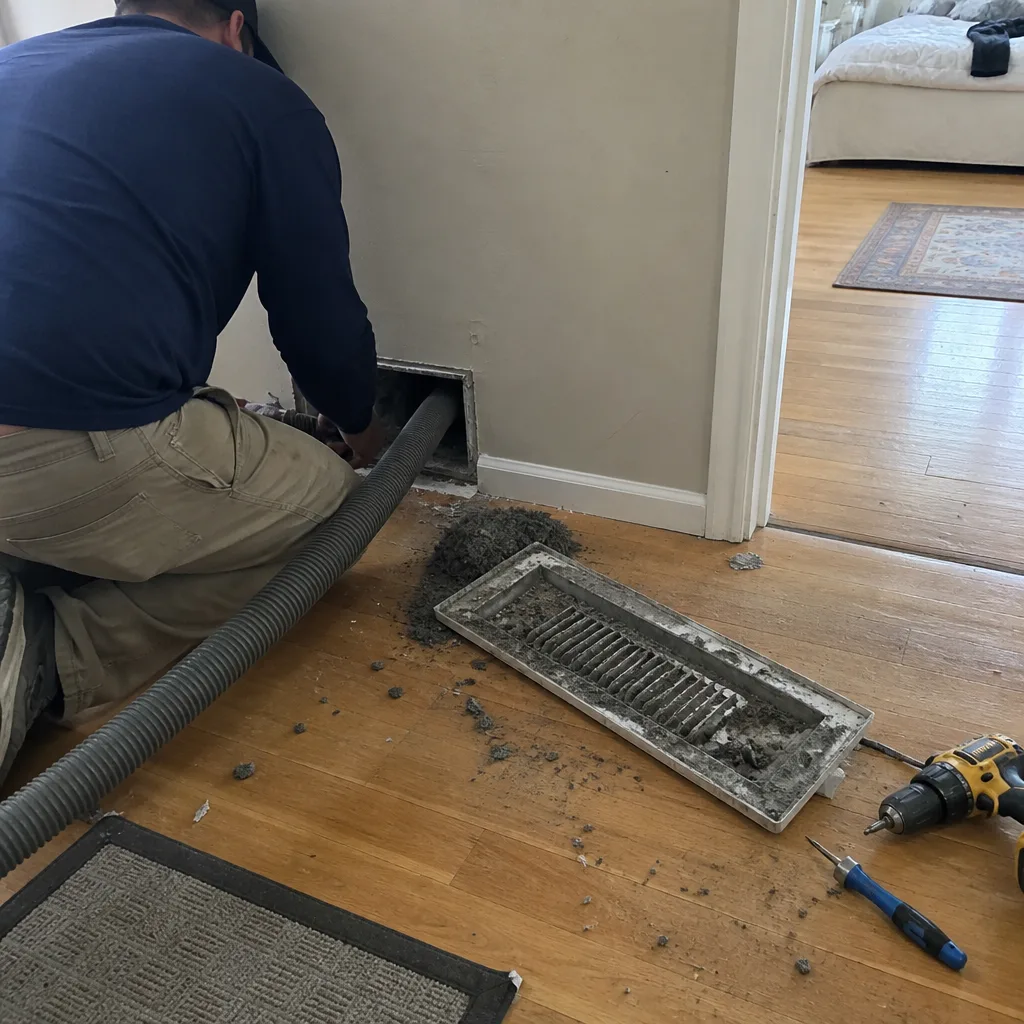 Before
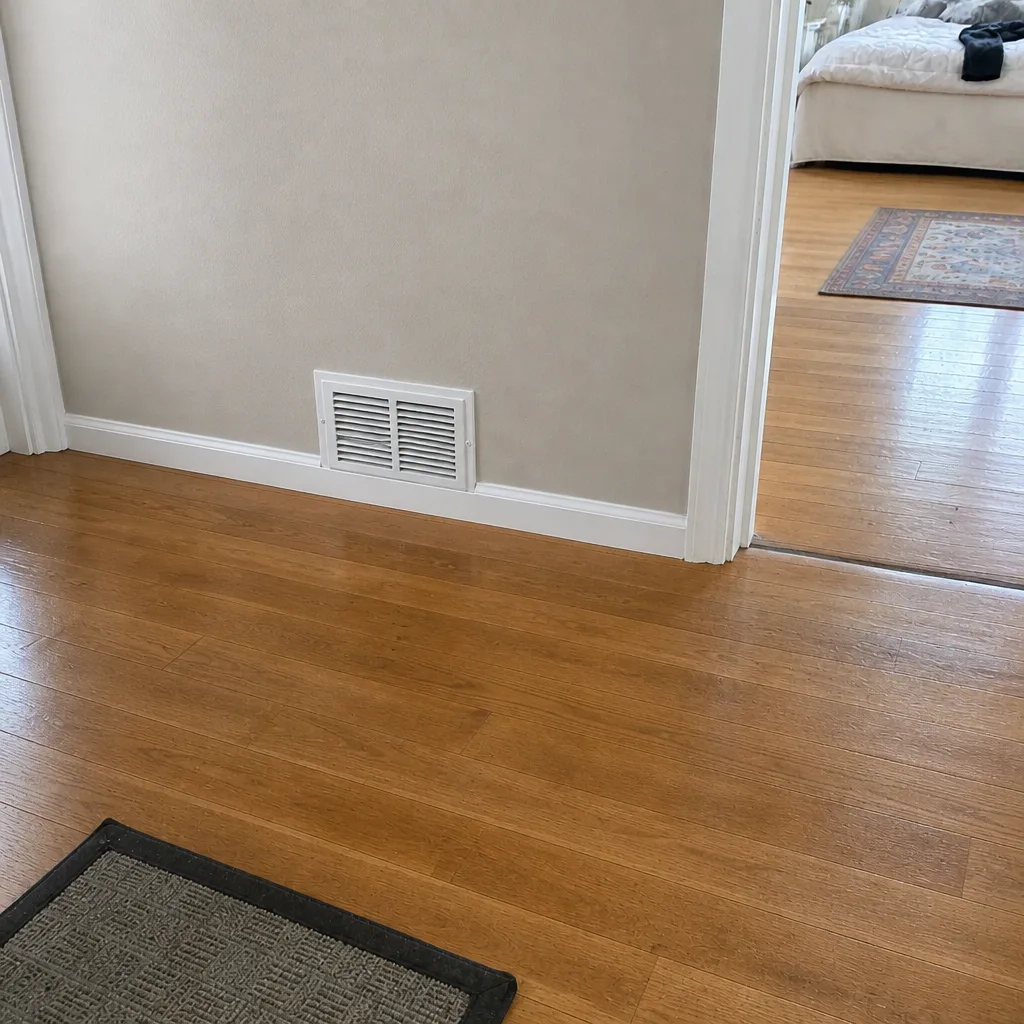 After
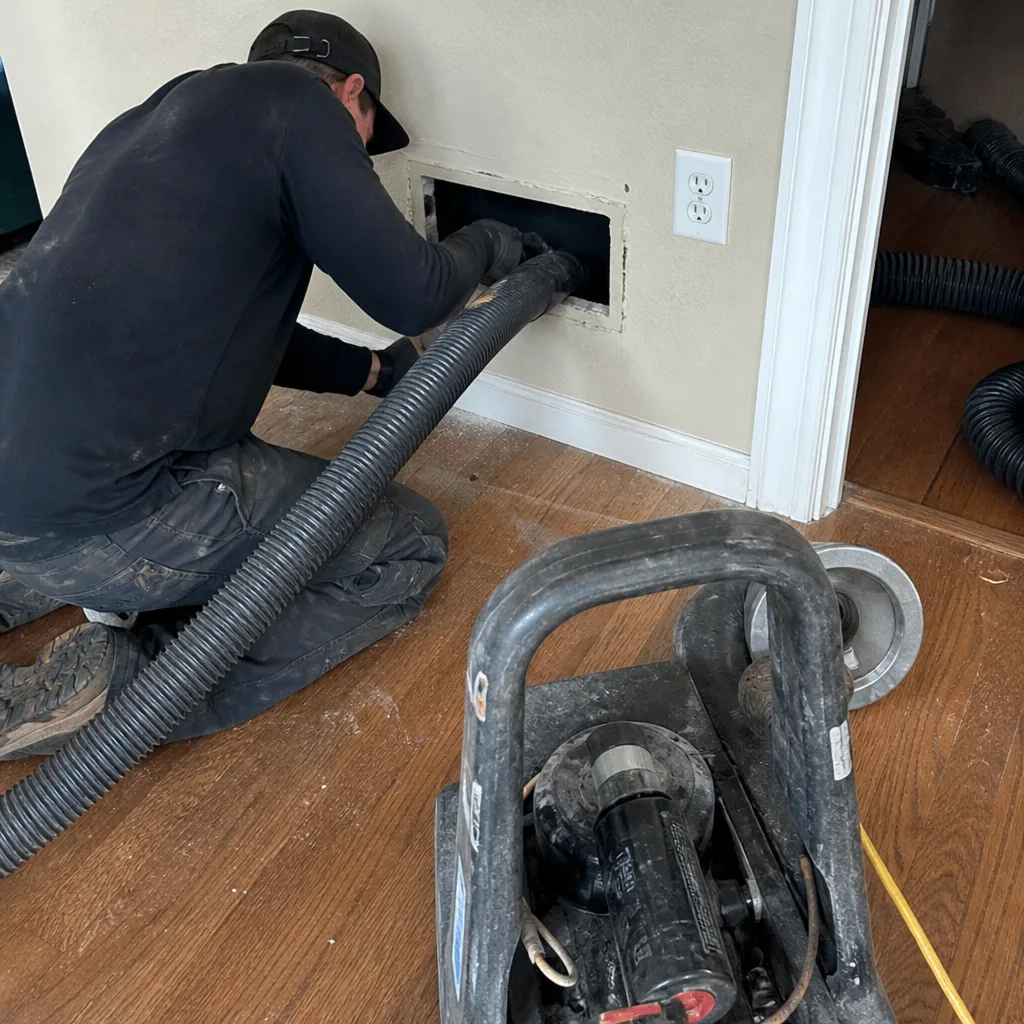 Before
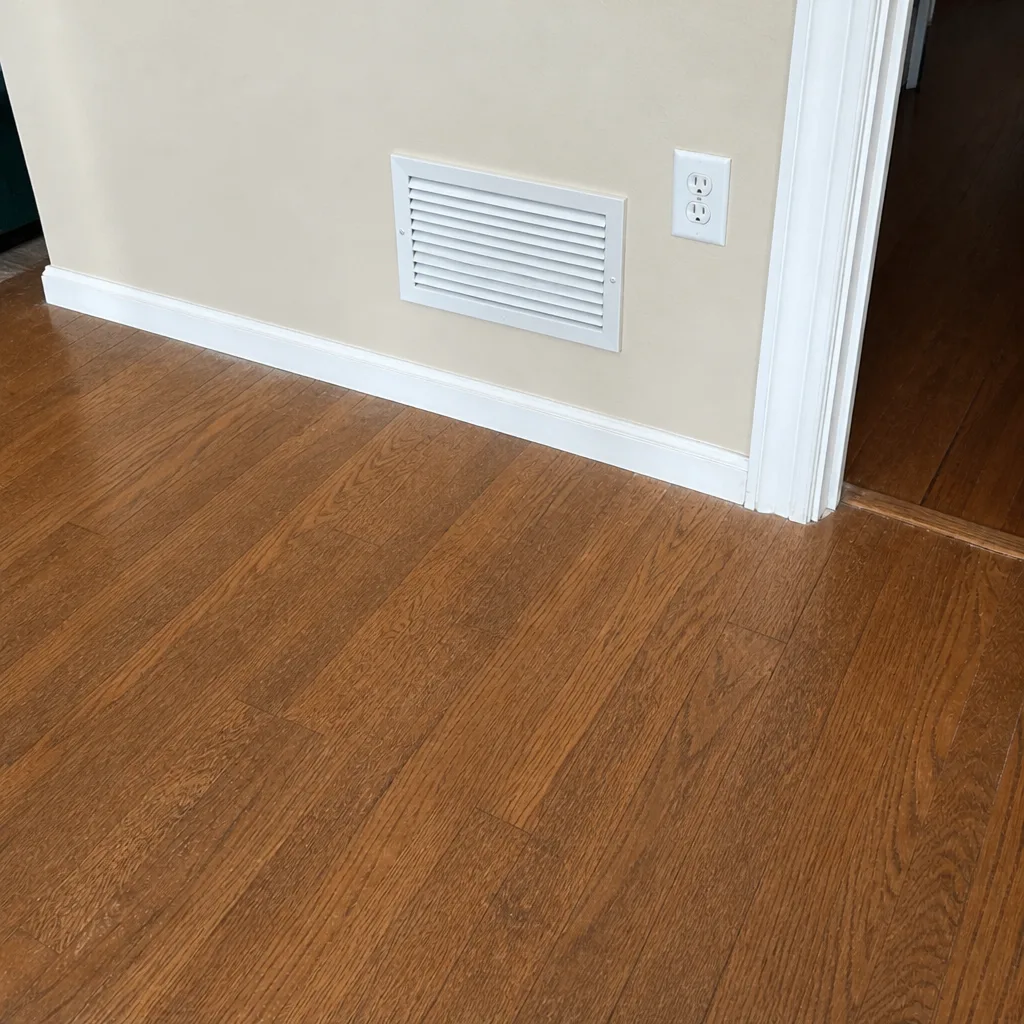 After
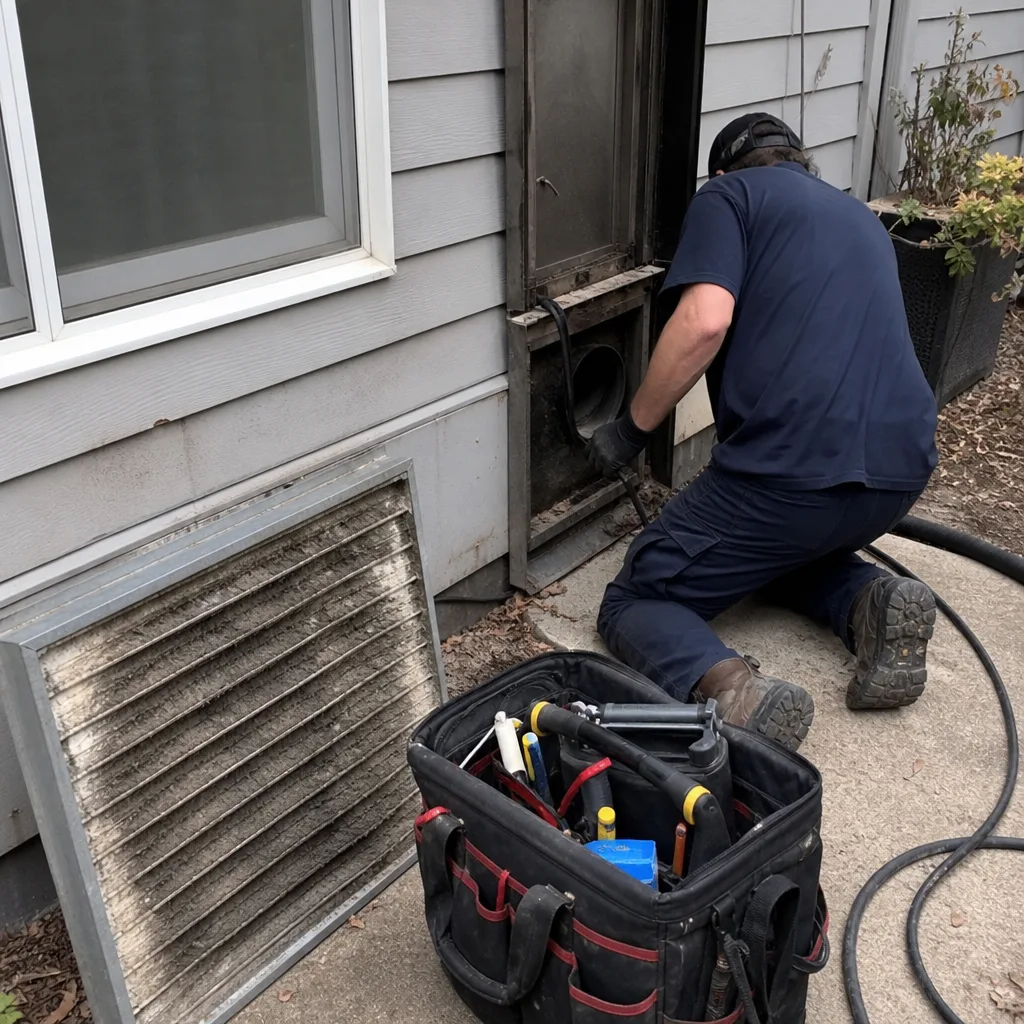 Before
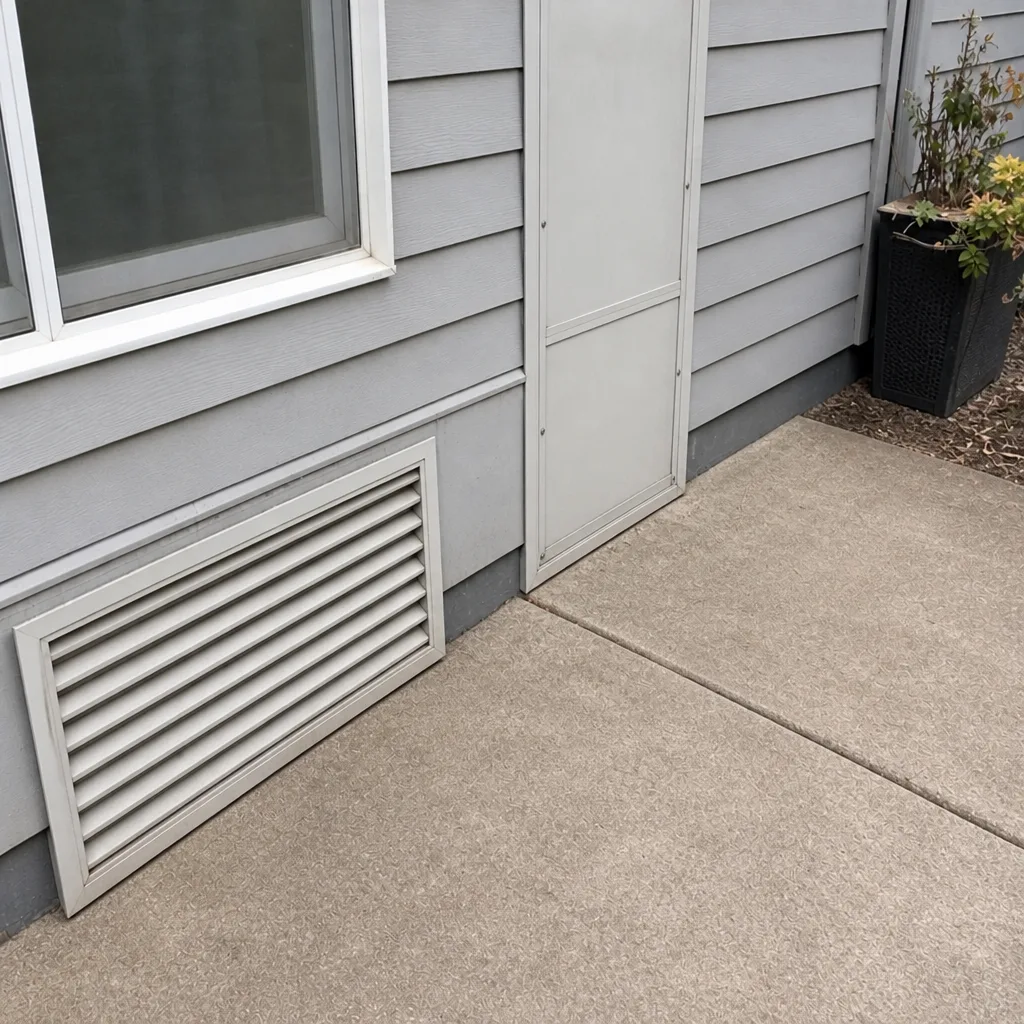 After
When to Call a Professional
There are specific situations where DIY isn’t the right starting point at all. If anyone in the household is dealing with recurring allergy or respiratory symptoms that could be tied to indoor air, if you’ve just finished a renovation that produced significant dust, if you’re seeing visible mold growth around registers or the air handler, if the home is new to you and the ducts have never been professionally cleaned, or if it’s simply been several years since a full clean – those are the moments to call. Elevated contamination scenarios, including mold spores and heavy allergen loading, are where Abatement Technologies equipment earns its keep, and those aren’t calls a homeowner can make safely on their own. Air Duct Cleaning Tallyn’s Reach offers free estimates in Tallyn’s Reach; call (855) 550-7311. We answer 24/7. Fast dispatch from 7am to 7pm, Sunday through Friday.
Frequently Asked Questions
You can clean the accessible surfaces – register covers, filter slot, return grille face, and the first foot of each branch run – but you can’t clean the trunk lines, plenum, or air handler without professional equipment. DIY works as maintenance between professional cleanings; it doesn’t replace a full-system clean. Call (855) 550-7311 for an exact quote on the professional side; estimates are free.
Pricing varies by home size, number of registers, and system condition, so the honest answer is that it depends on your specific home. We quote one flat price per system, agreed before work starts and set by the written estimate – not by the register count, and not by a teaser coupon figure that changes once the technician is on-site. Call (855) 550-7311 for an exact quote; estimates are free.
Because the scope and equipment are different. A low quote usually reflects a walkthrough with a shop vac and a brush, which cleans the accessible 15 percent of the system. A full-system clean with rotary agitation and HEPA containment costs more to perform, and it removes what’s in the trunk lines, plenum, and air handler. The comparison isn’t apples to apples. Call (855) 550-7311 to talk through what’s actually included; estimates are free.
Ask for the process and for before-and-after photos of your own system. On a real full-system clean, the technician can show you what the inside of a branch run and the plenum look like before agitation, and again after containment. That’s the record that matters, and any reputable provider should be able to supply it. Call (855) 550-7311 to schedule; estimates are free.
For most Tallyn’s Reach homes, every few years is a reasonable rhythm, sooner if you’ve had a renovation, added a pet, noticed new allergy symptoms, or moved into a home where the ducts were never serviced. Between professional cleanings, the DIY maintenance tasks in this guide – filter changes, register cleaning, return grille vacuuming – are what stretch the interval. Call (855) 550-7311 if you’re unsure whether your home is due; estimates are free.
It can, if the work stirs up debris without negative-pressure containment. Dust and dander that get dislodged by a brush or shop vac without being pulled out of the system can end up in the airstream and re-enter the rooms. If anyone in the home is already symptomatic, that’s the situation where professional cleaning with HEPA containment matters most. Call (855) 550-7311 to discuss the right approach; estimates are free.
The Bottom Line
DIY air duct cleaning is worth doing – for the surfaces you can reach. Register covers, filters that fit properly, return grilles, and the first foot of each branch are all yours to maintain, and doing them well keeps your home fresher and slows how fast the system loads up. But everything past that reachable stub, which is the majority of the system and where most of the collected debris sits, requires negative-pressure equipment and rotary agitation to clean properly. Use DIY as the maintenance between visits. Call a professional when you’re dealing with contamination, a renovation, persistent symptoms, or a system that’s overdue. That combination, DIY upkeep plus periodic full-system cleaning, gives you the best air quality for the effort and cost involved.
If you’re weighing the decision for your own Tallyn’s Reach home, or you’ve already decided you want a full-system clean, call Air Duct Cleaning Tallyn’s Reach at (855) 550-7311 for a free estimate. We answer 24/7. Fast dispatch from 7am to 7pm, Sunday through Friday. Our technicians have up to 14 years of experience, and we bring professional-grade equipment – Rotobrush rotary cleaning, Nikro HEPA containment, and Abatement Technologies gear for elevated contamination – to every job. From cleaning and sealing to air quality upgrades with Aprilaire and Honeywell, we handle the full system in one place.
Written by the team at Air Duct Cleaning Tallyn’s Reach.