
Last updated November 24, 2026
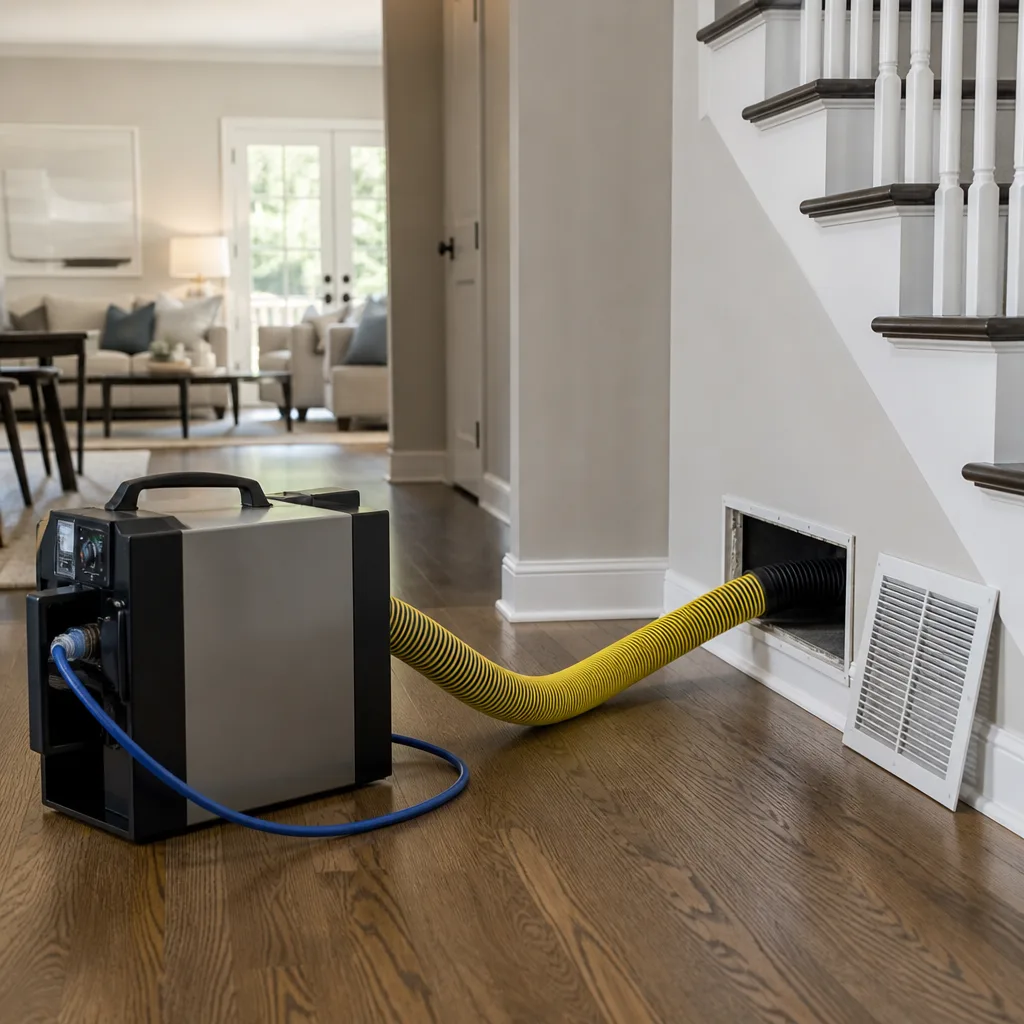 Whole-home duct cleaning
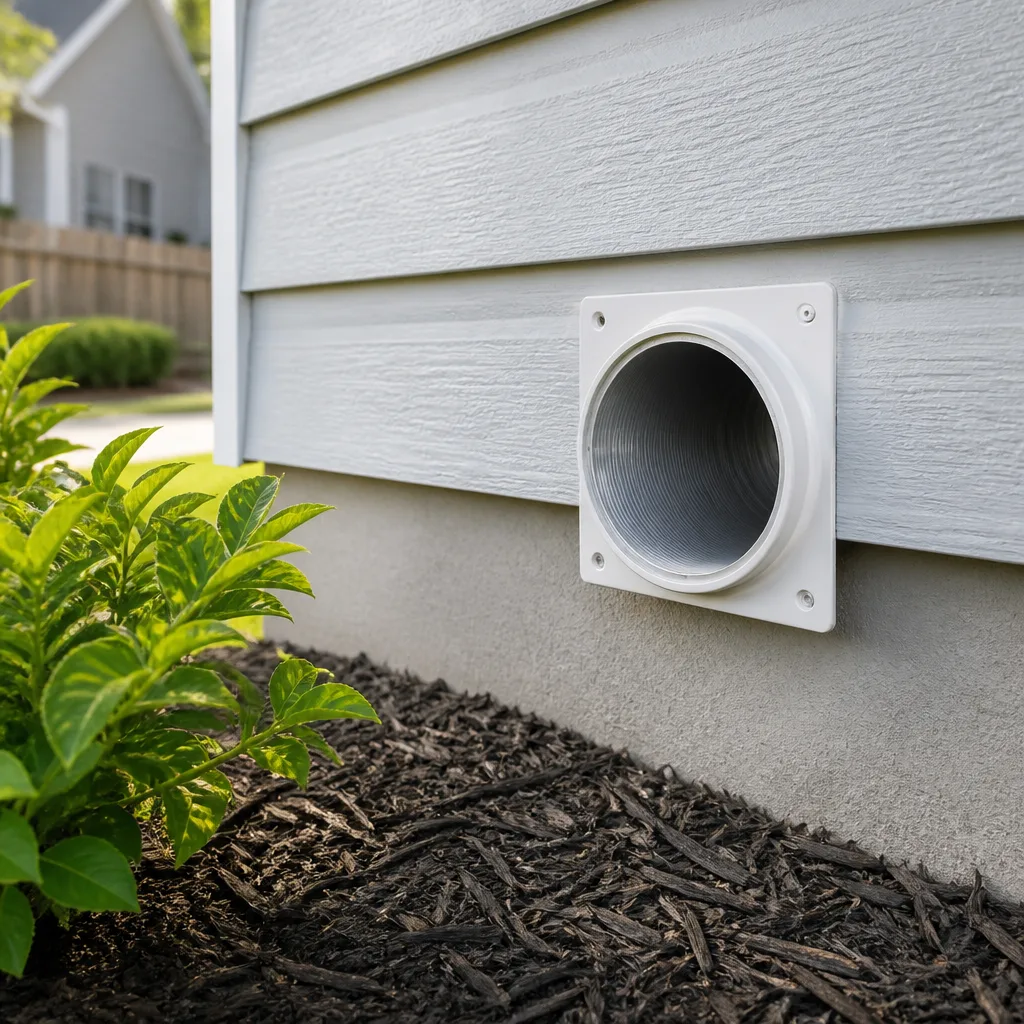 Dryer vent cleaning
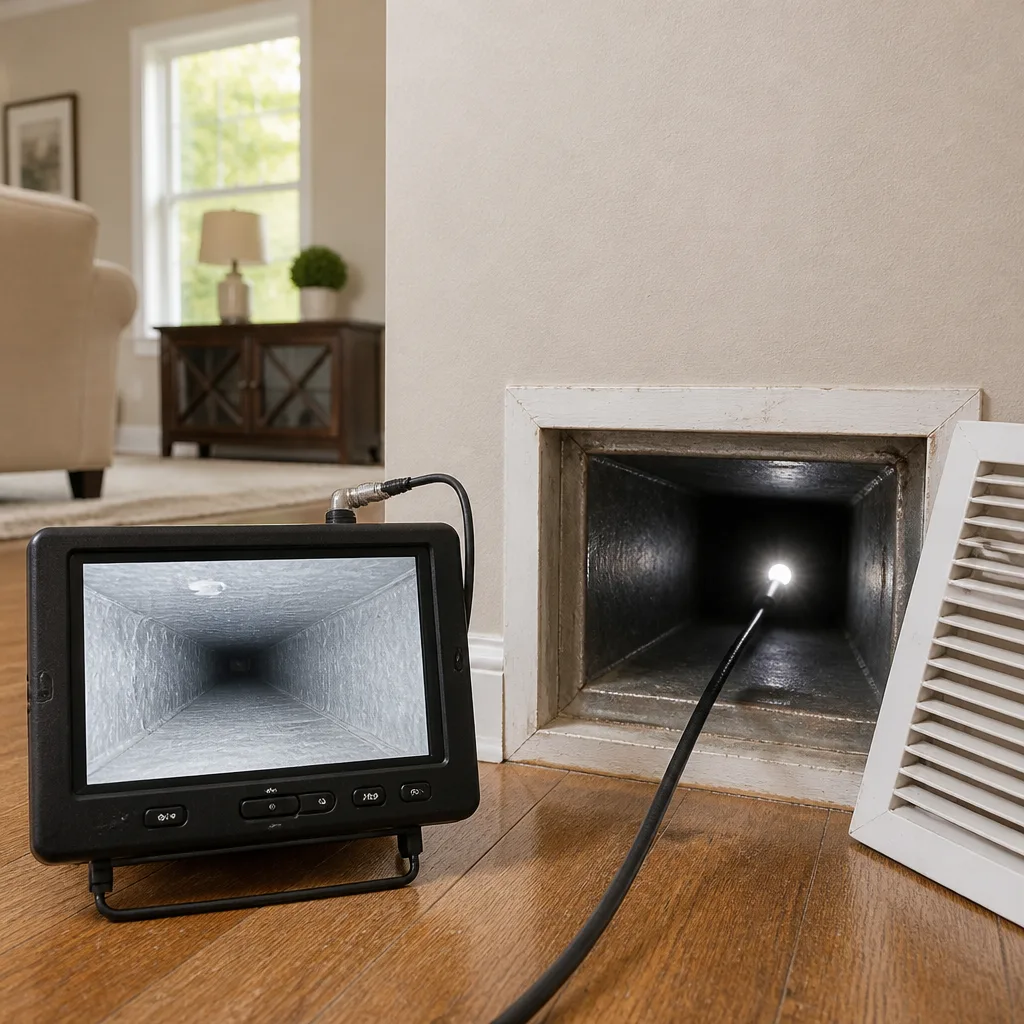 Camera inspection
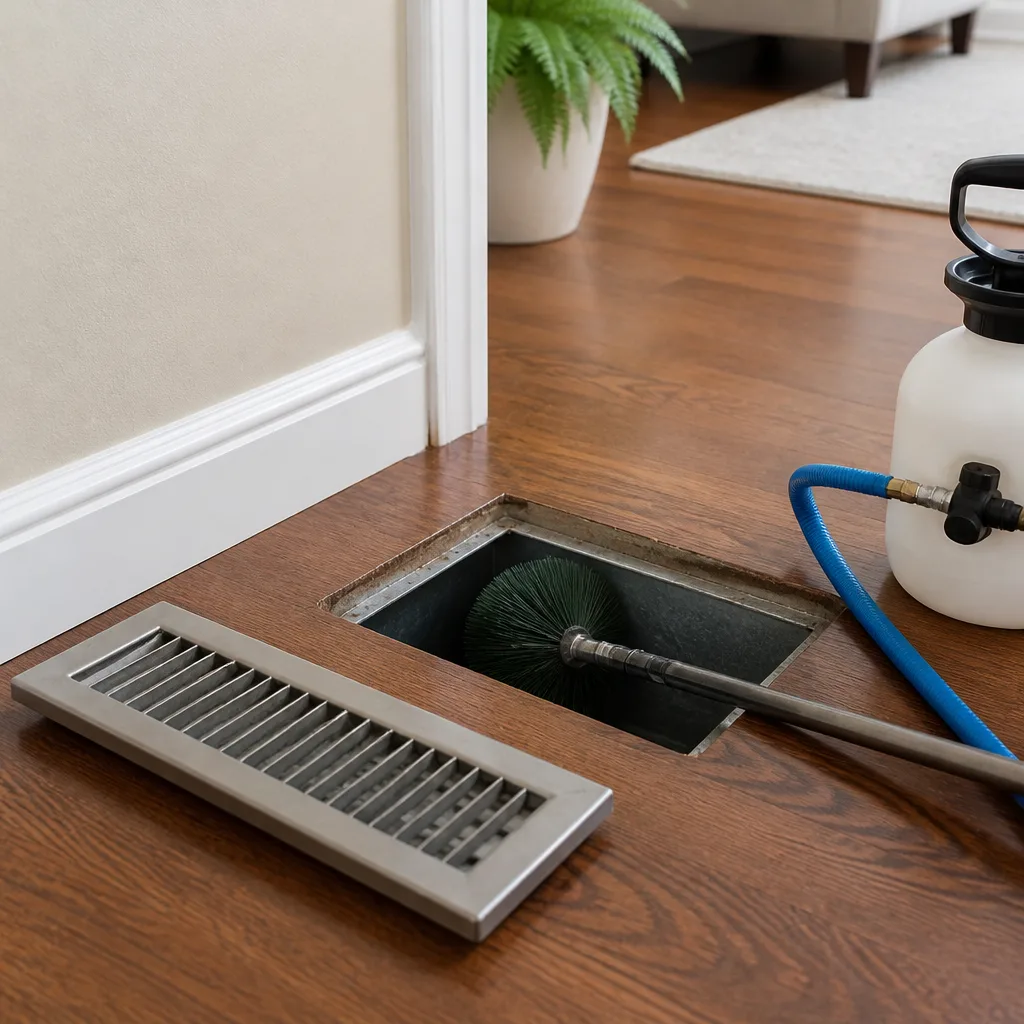 Sanitizing & deodorizing
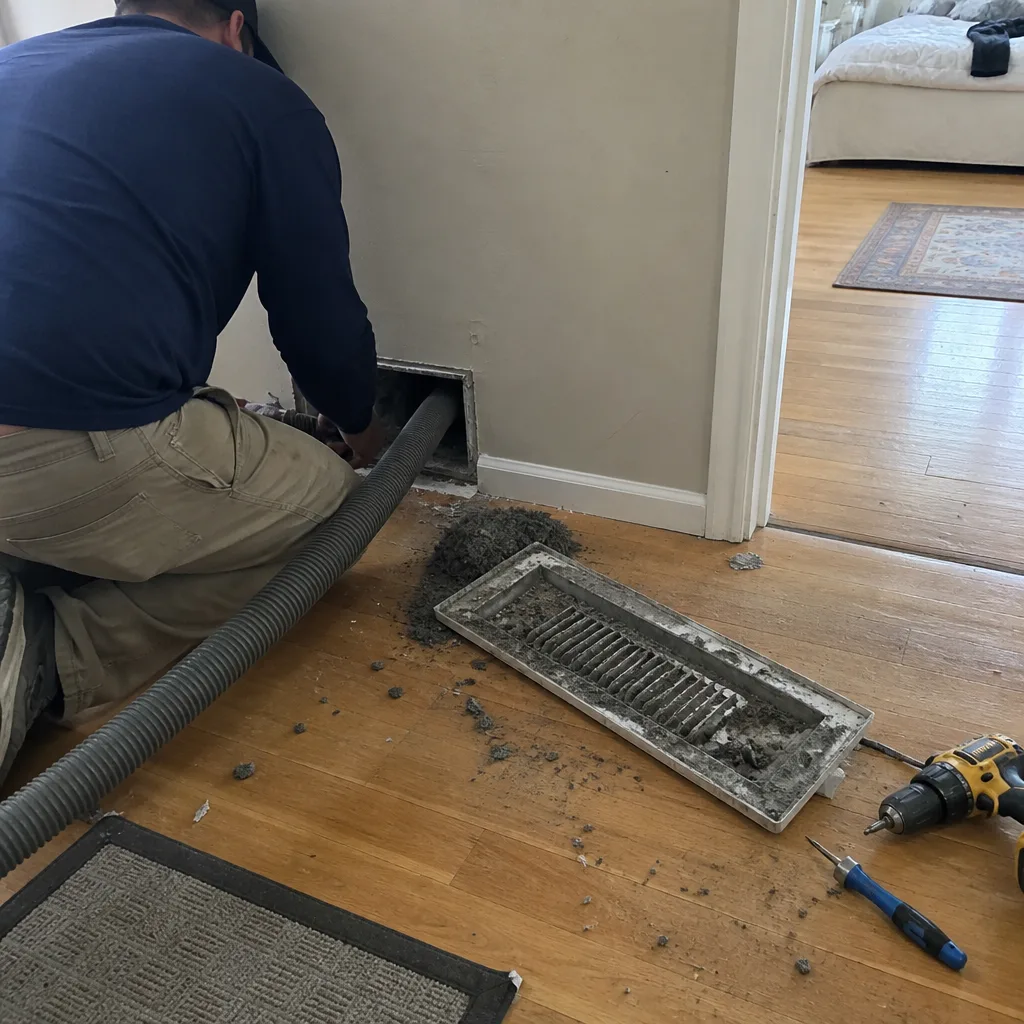
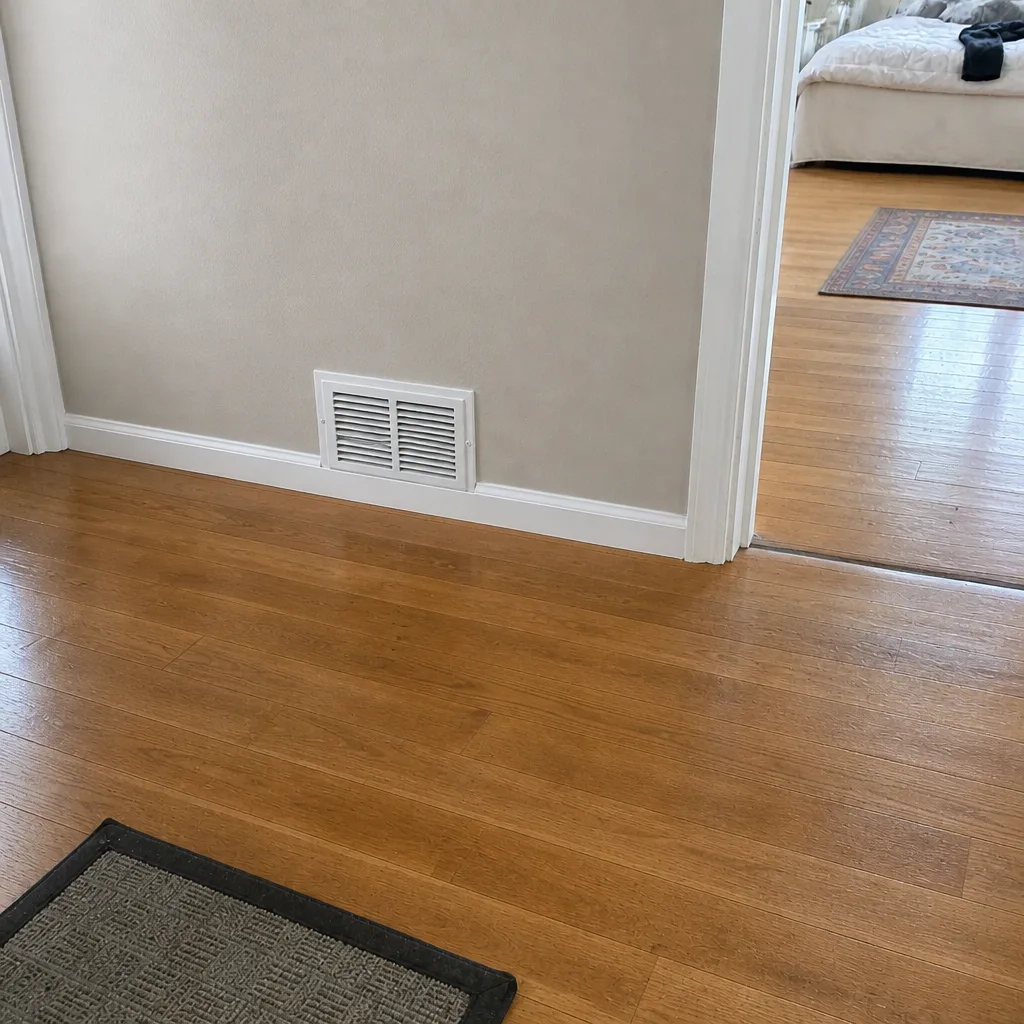
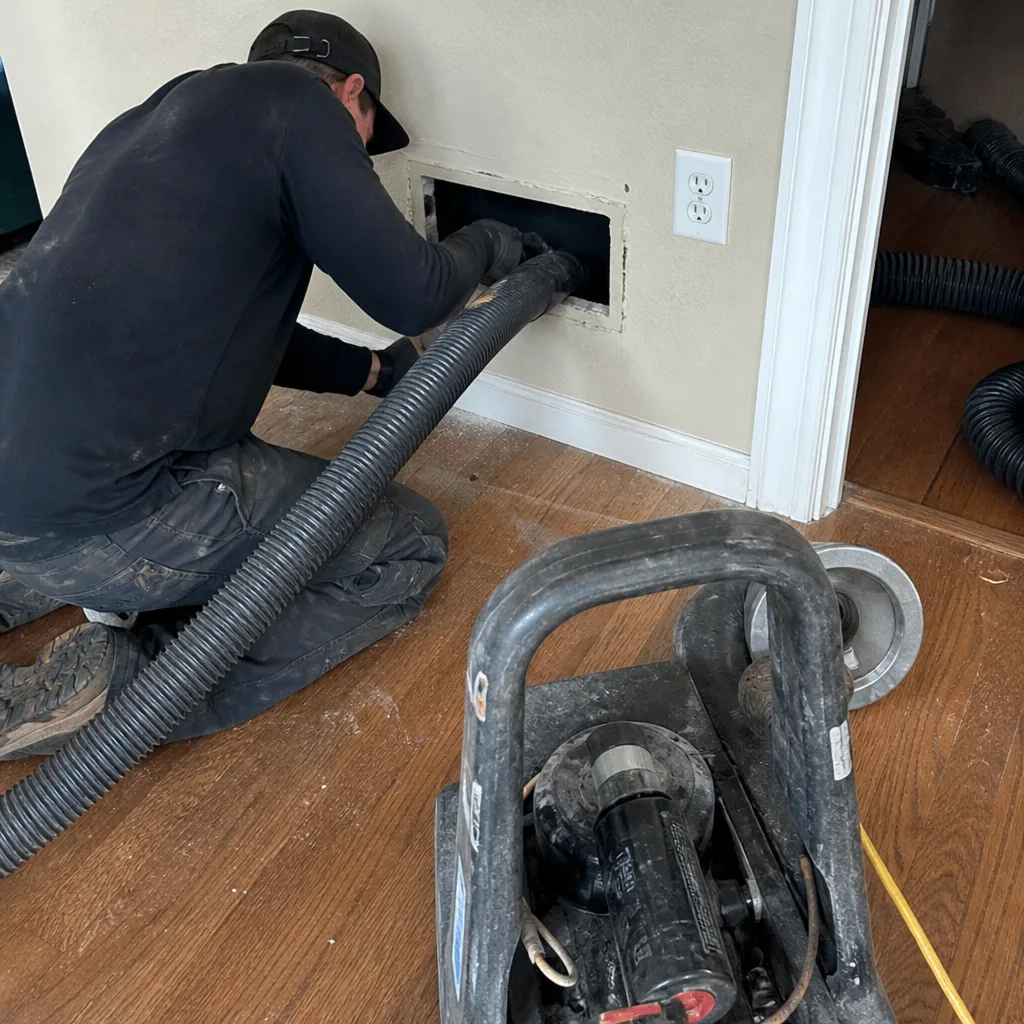
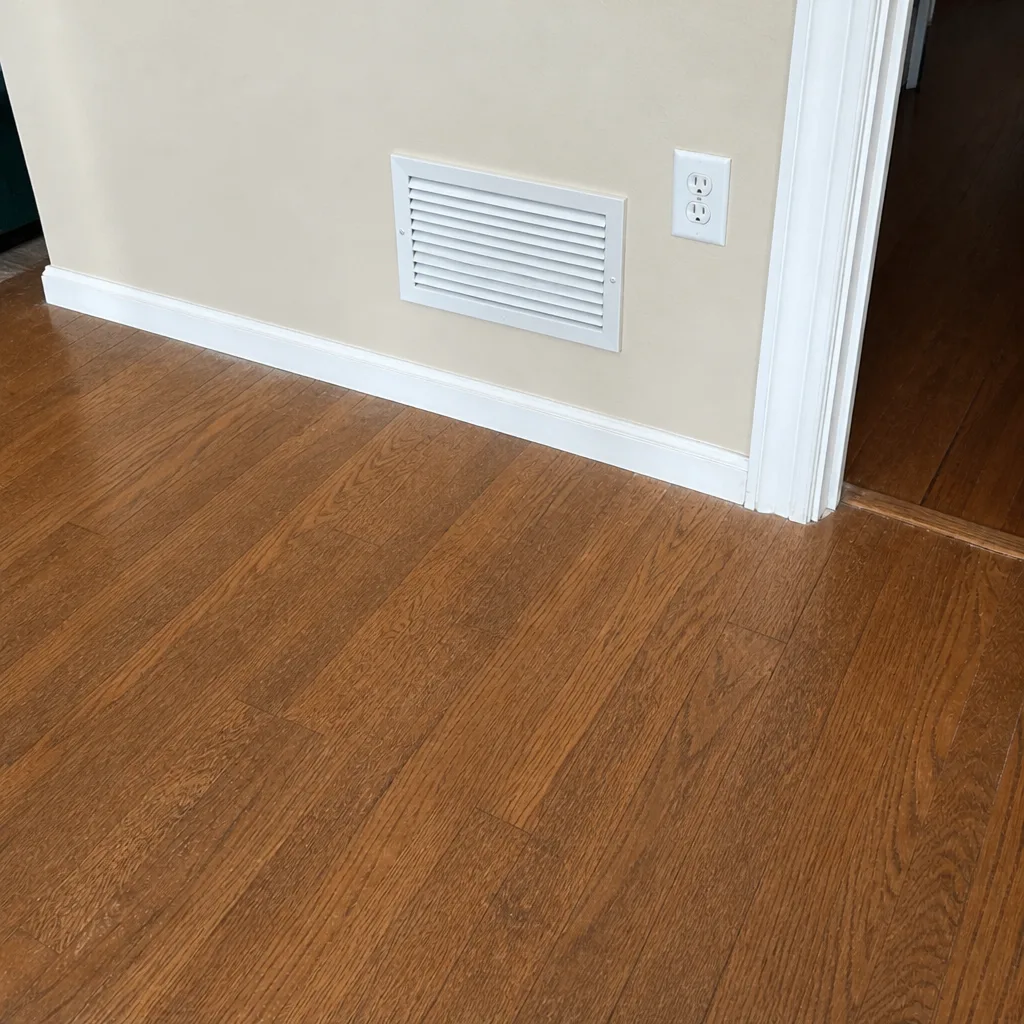
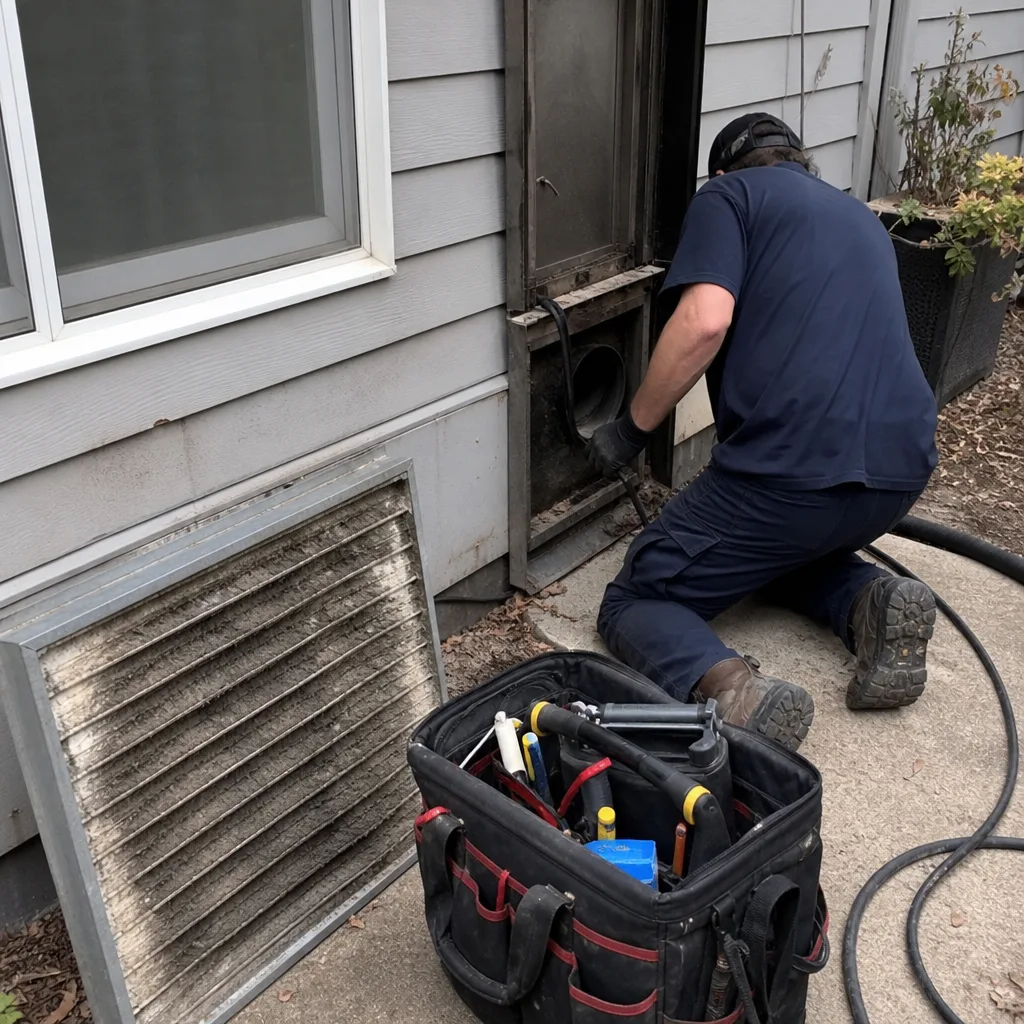
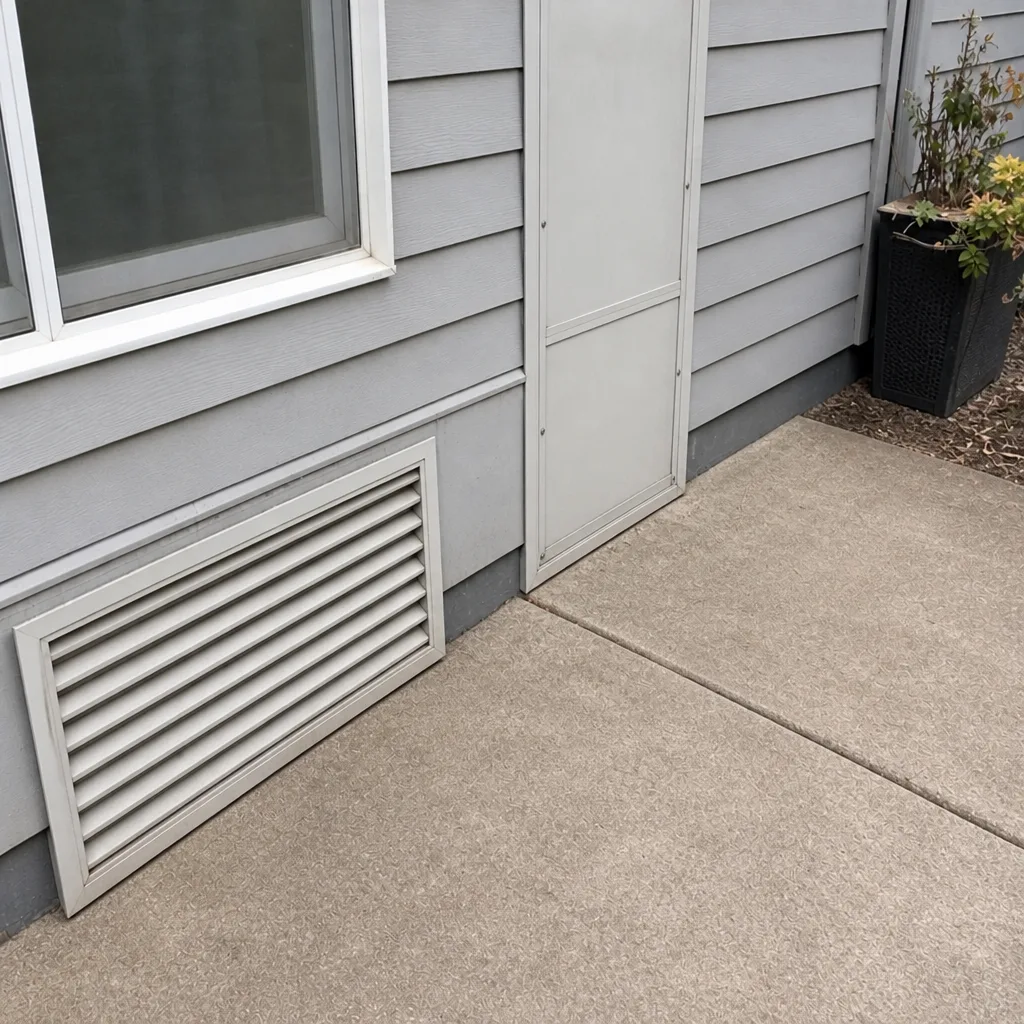
Whole-system duct and dryer vent check with before-and-after photos - you see exactly what came out of your vents
That "$99 whole-house special" is a bait ad - the real number appears once they are in your hallway, or the "clean" is a shop-vac at the register. We photograph the inside of your ducts before and after instead.
Seasonal Air Duct Cleaning Care for Tallyn’s Reach: Year-Round Homeowner’s Guide
Most homeowners treat duct cleaning as an annual chore, something to schedule once and forget. Here’s the problem with that calendar: your ductwork doesn’t load on a 12-month cycle. It loads on the Front Range’s actual cycle. Pollen surges through late spring, wildfire smoke rolls in from May through October, dry winter air suspends fine particulate for weeks, and every one of those events leaves a deposit in the same system that moves your conditioned air. A single cleaning, however thorough, can’t match a year with that much in it.
This guide walks through how we think about seasonal duct care in Tallyn’s Reach, what to do at each transition, and how to set a cleaning trigger based on what your system has actually been through rather than what month it is. By the end you’ll know when to shut the system down during a smoke event, why a higher MERV filter isn’t always the answer, and what a real post-smoke inspection should cover.
Styles & brands we work with
- Whole-home duct cleaning
- Dryer vent cleaning
- Camera inspection
- Sanitizing & deodorizing
Quick Answer
Year-round air duct care in Tallyn’s Reach means matching service to the seasonal risk cycle rather than cleaning once a year. In practice that means a spring pollen and cooling-startup check, a summer smoke-event protocol, a fall heating-startup review, and a winter dry-air watch, with professional cleaning triggered when conditions warrant instead of on an arbitrary date. Homeowners who track what their system has been exposed to get more out of every cleaning than those who simply book one every twelve months.
Table of Contents
- Why Tallyn’s Reach Ducts Load on a Seasonal Cycle
- Spring: Pollen, Cooling Startup, and the Filter Question
- Summer and Wildfire Smoke: The Post-Event Protocol
- Fall: Heating Startup in Colorado’s Dry Altitude Air
- Winter: Low Humidity and Fine Particulate Suspension
- How to Set a Cleaning Trigger by Season, Not Calendar
- Common Mistakes to Avoid
- When to Call a Professional
- Frequently Asked Questions
Why Tallyn’s Reach Ducts Load on a Seasonal Cycle
The duct system in a Tallyn’s Reach home does one job: it moves air. Whatever is in that air rides along with it. On the Front Range, “whatever is in the air” changes dramatically across the year, and the ductwork quietly accumulates each season’s contribution. A system that looked clean in February can be carrying a full summer of smoke particulate by September.
Altitude matters here too. Homes at this elevation run heating and cooling equipment at lower barometric pressure, and the moisture content of the air swings sharply between seasons. Those swings don’t just affect comfort; they affect how dust, pollen and combustion byproducts behave inside the ductwork. Fine particles that cling in dry air can release in a different way when the system switches modes.
We’ve seen the pattern repeatedly across Tallyn’s Reach neighborhoods, from Parker Road up through the newer builds near the golf course. The homeowners who stay ahead of it aren’t doing anything complicated. They’re paying attention to the sequence.
- Late spring: tree and grass pollen from the wider Front Range blows in on the same wind that brings the first warm days.
- Summer: wildfire smoke events deposit fine particulate that infiltrates even with windows closed.
- Fall: the first heating cycle lifts settled dust and circulates it through rooms that have been closed all season.
- Winter: low indoor humidity leaves fine particles suspended longer, so they stay mobile in the airstream.
Each of these is a loading event. Stacked together, they define what your system actually needs and when. If you want the full picture of what routine professional service covers, our air duct cleaning page lays out the scope.
Spring: Pollen, Cooling Startup, and the Filter Question
Spring in Tallyn’s Reach arrives with a heavy pollen load from the surrounding plains and foothills. That’s the season to think about two things: preparing the cooling side of the system for its first real work of the year, and choosing a filter strategy that captures pollen without choking airflow.
The spring cooling startup checklist
- Replace the filter before the first cooling run, not after. A filter that spent winter collecting dust has already done its job.
- Check that return grilles aren’t blocked by furniture, rugs or storage that crept in over the winter.
- Run the fan on its own for a short period before the first cooling cycle to move out settled dust.
- Look at the condensate line and drain pan for standing water from the previous season.
- Note any musty odor at first startup, which can point to moisture in the coil or ductwork rather than just dust.
How MERV rating affects your system in Tallyn’s Reach homes
A higher MERV filter captures more pollen and fine particulate, but it also raises static pressure across the system. In a home with a tight return path or a smaller blower, jumping to a high-MERV filter can reduce airflow enough that the system works harder and cools less evenly. The right rating is the one your equipment is designed to handle, not the highest number on the shelf.
This is where a proper air-quality conversation helps. Aprilaire and Honeywell filtration and humidity control options can improve indoor air without guessing at a filter rating, because they’re matched to the system. If pollen season leaves you or your family reaching for tissues every March, it’s worth talking through rather than simply swapping filters and hoping.
If spring is the moment you decide the ducts need attention, that’s a reasonable trigger. Period.
Summer and Wildfire Smoke: The Post-Event Protocol
Colorado’s wildfire smoke season now stretches from May into October in most years, and smoke doesn’t need an open window to get into a home. Fine particulate infiltrates through the building envelope, gets pulled into the return, and deposits inside the duct system. Many homeowners don’t realize a smoke event was logged in their ducts until they smell it recirculating weeks later, long after the sky has cleared.
What to do during a smoke event
- Keep windows and exterior doors closed, and close the fresh-air intake if your system has one.
- Run the system on recirculate or fan-only with a filter suited to your equipment, so you’re not drafting outdoor air in.
- Avoid running bathroom and kitchen exhaust fans longer than needed, since they pull replacement air from outside.
- Skip any duct work or cleaning during the event itself; you’d only stir settled material while the outdoor air is worse.
What a post-smoke inspection should cover
Once the air clears, a proper inspection looks at more than surface dust. It should check the return plenum and the areas where smoke particulate tends to settle, examine the filter and its housing for staining, confirm the coil hasn’t collected a film, and assess whether the ductwork needs cleaning or just a filter change. Fine smoke particulate can settle in ways that ordinary visual checks miss.
Post-smoke scenarios are exactly where equipment matters. Our technicians use Abatement Technologies equipment for elevated air-quality and remediation work, which handles fine particulate and allergen removal beyond what routine cleaning addresses. Our technicians have up to 14 years of experience with this kind of load, and we bring HVAC cleaning into the conversation when the coil and air handler are part of the picture rather than just the ducts.
Fall: Heating Startup in Colorado’s Dry Altitude Air
The first heating cycle of the season always tells a story. As the furnace comes on for the first time in months, it lifts dust that settled in registers and duct runs over the cooling season and pushes it into rooms. If you notice a strong dusty smell at startup, that’s a signal, not just a nuisance.
The fall heating startup checklist
- Replace the filter before the first heating run, and inspect the filter housing for buildup from the cooling season.
- Open registers in rooms that were closed or unused over summer to balance airflow.
- Run the furnace fan briefly before the first full heating cycle to move settled dust out of the airstream.
- Check for any musty or smoky odor that lingers past the first cycle, since that can indicate duct contamination.
- Look at the combustion side only visually, and call a professional for anything involving the heat exchanger or gas components.
Why dry altitude air makes a difference
Colorado’s climate is dry, and this elevation keeps it that way. Dry air doesn’t hold dust and fine particulate the way humid air does; particles stay suspended longer and travel with the airstream rather than settling out. In practical terms, that means a fall startup after a dusty summer moves more material into living spaces than a similar startup in a wetter climate would.
Fall is also the right window to think about whole-home air quality before the dry winter settles in. Honeywell and Aprilaire humidity and filtration solutions installed before the heating season helps the system run through winter without the static and dryness that make fine dust worse. If you’re considering it, better to do it before the season rather than mid-winter.
Winter: Low Humidity and Fine Particulate Suspension
Winter in Tallyn’s Reach is dry. Indoors, that dryness does something subtle to your duct system: it keeps fine particulate airborne longer. Particles that would settle out in more humid air stay suspended and keep circulating every time the system runs. The result is more visible dust settling on surfaces and a system that feels like it’s constantly working against something.
Dry air also produces static, and static moves fine particulate. You’ll notice it as dust clinging to walls and soft furnishings, and sometimes as a faint dusty smell when the heating cycles. The cause isn’t just the heating season; it’s the combination of low humidity and a duct system that has accumulated a year of material.
- Watch indoor humidity: if the air feels staticky and dry, fine particulate is staying airborne longer and depositing in the ducts.
- Keep the filter current: a clogged filter in dry winter air makes the system recirculate more of the fine material it should be capturing.
- Address dust at the source: winter is when a cleaning pays off most, because the system is running constantly and any accumulated material gets distributed through the whole house.
If winter static and dryness are the trigger for you, whole-home humidity control makes a real difference alongside proper cleaning. We integrate Aprilaire and Honeywell solutions as part of the same visit so the ductwork and the air it carries are addressed together.
How to Set a Cleaning Trigger by Season, Not Calendar
The useful question isn’t “when was the last cleaning?” It’s “what has this system been through since then?” A Tallyn’s Reach home that sat through a heavy smoke season and a dry winter has a different need than one that spent the summer with windows open and a filter change in June. Set your trigger by conditions.
Conditions that indicate the system is ready for service
- You ran a full smoke season without a filter change or inspection. Fine particulate has likely deposited in the returns and duct runs.
- A dusty smell returns shortly after the filter is replaced. The filter is doing its job; there’s material upstream of it.
- Visible dust accumulates on registers faster than usual. That’s a loading signal, not a housekeeping problem.
- You’ve just finished a renovation or moved into a home that hasn’t been serviced. Construction dust and unknown service history both warrant a look.
- Allergy symptoms flare seasonally even with the filter changed. That points to the ducts and possibly the coil.
- You notice a persistent musty or smoky odor when the system runs. That’s a sign of contamination rather than just dust.
If two or three of those apply, it’s time. If none apply and the filter is being changed on schedule, routine maintenance may be all you need. Our Air Duct Cleaning Tallyn’s Reach page covers what a full-service visit looks like when you do decide to book.
Common Mistakes to Avoid
- Cleaning on the same date every year regardless of what happened. A single annual cleaning misses the smoke seasons and pollen surges that actually load the system. Match the service to the season’s events instead.
- Jumping to the highest MERV filter available. In a tight-return Tallyn’s Reach home, an oversized filter can reduce airflow enough that the system stops cooling evenly. Match the rating to your equipment.
- Running the system during a smoke event with a fresh-air intake open. That pulls outdoor smoke in through the very system you’re trying to protect. Close it and run on recirculate.
- Scheduling a cleaning while the outdoor air is still smoky. You’ll stir settled material while the airstream is worse. Wait for a clear day, then inspect.
- Treating a smoky smell as a housekeeping problem. If the smell comes back after the filter change, it’s in the ducts and needs professional attention.
- Ignoring winter dryness as an air quality issue. Low humidity keeps fine particulate airborne longer, and without humidity control cleaning lasts less time in practice.
- Assuming the ducts are clean because the filter looks good. The filter captures what reaches it; material upstream can sit for a full year without showing.
When to Call a Professional
Some situations call for a professional rather than a filter change. If a smoke event left a lingering odor inside the ductwork, if the system has never been serviced and you’ve just moved in, if a renovation kicked up construction dust, or if allergy symptoms recur in the same season every year, it’s time to have the system inspected and cleaned properly. Mold-like growth or a smell that gets worse with the heating cycle should also prompt a call, since surface cleaning won’t address what’s upstream.
Air Duct Cleaning Tallyn’s Reach offers free estimates in Tallyn’s Reach. Call (855) 550-7311. We answer 24/7, with fast dispatch from 7am to 7pm, Sunday through Friday. Our technicians use professional-grade Rotobrush and Nikro equipment, handle the full spread of cleaning, sanitizing and air-quality work, and use the same team for repair and sealing if that’s what the inspection turns up.
Frequently Asked Questions
It depends on what your system has been exposed to, not a fixed interval. A home that sat through a heavy smoke season, a pollen surge and a dry winter likely needs cleaning sooner than one that spent the year with routine filter changes and no contamination events. Use the trigger conditions above rather than a calendar date. Call (855) 550-7311 for a free estimate that accounts for your specific situation.
Not always, but it’s worth an inspection. Fine smoke particulate infiltrates through the building envelope and settles in the returns and duct runs even with the windows closed. If a smell persists after a filter change, or if visible dust starts appearing faster than usual, professional cleaning is warranted. Call (855) 550-7311 for an inspection.
Not on its own. A higher MERV filter captures more pollen and smoke particulate, but it also raises static pressure across the system, and in a home with a tight return path that can reduce airflow enough to hurt performance. The right answer is a filter rated for your equipment, checked seasonally, combined with cleaning and proper filtration if seasonal air quality is the underlying problem. Call (855) 550-7311 to talk through what fits your system.
Yes, but on recirculate or fan-only, with windows and exterior doors closed and any fresh-air intake closed. That way the filter can help manage indoor air rather than pulling outdoor smoke into the system. Skip duct cleaning during the event and inspect after the air clears. Call (855) 550-7311 with questions about what your system can handle.
It does. Low indoor humidity keeps fine particulate airborne longer, so more material stays mobile in the airstream and deposits in the ductwork, and static causes it to cling to surfaces rather than settle. That makes winter a strong season for professional cleaning alongside humidity control. Call (855) 550-7311 for a free estimate.
It checks the return plenum and duct runs for smoke particulate deposits, looks at the filter and housing for staining, reviews the coil for film buildup, and assesses whether the issue is cleaning, filter change, or contamination remediation. Elevated air-quality scenarios get Abatement Technologies equipment for fine particulate removal. Call (855) 550-7311 to schedule an inspection.
The Bottom Line
Seasonal duct care in Tallyn’s Reach comes down to matching the service to what your system has actually been through. Spring pollen, summer smoke, fall heating startup and winter dryness each load the ductwork in a specific way, and a single annual cleaning can’t match a year with that much in it. Watch for the trigger conditions, keep filters current without overshooting the MERV rating, and inspect after any smoke event that leaves a lingering smell. If you set your cleaning by conditions rather than the calendar, the system stays ahead of the load instead of chasing it.
Call (855) 550-7311 for a free estimate. We answer 24/7. Fast dispatch from 7am to 7pm, Sunday through Friday. If the seasonal load includes lint and fire risk, our dryer vent cleaning service addresses that alongside the duct work.
Written by the team at Air Duct Cleaning Tallyn’s Reach.
See the difference
 Before
 After
 Before
 After
 Before
 After