
Last updated November 24, 2026
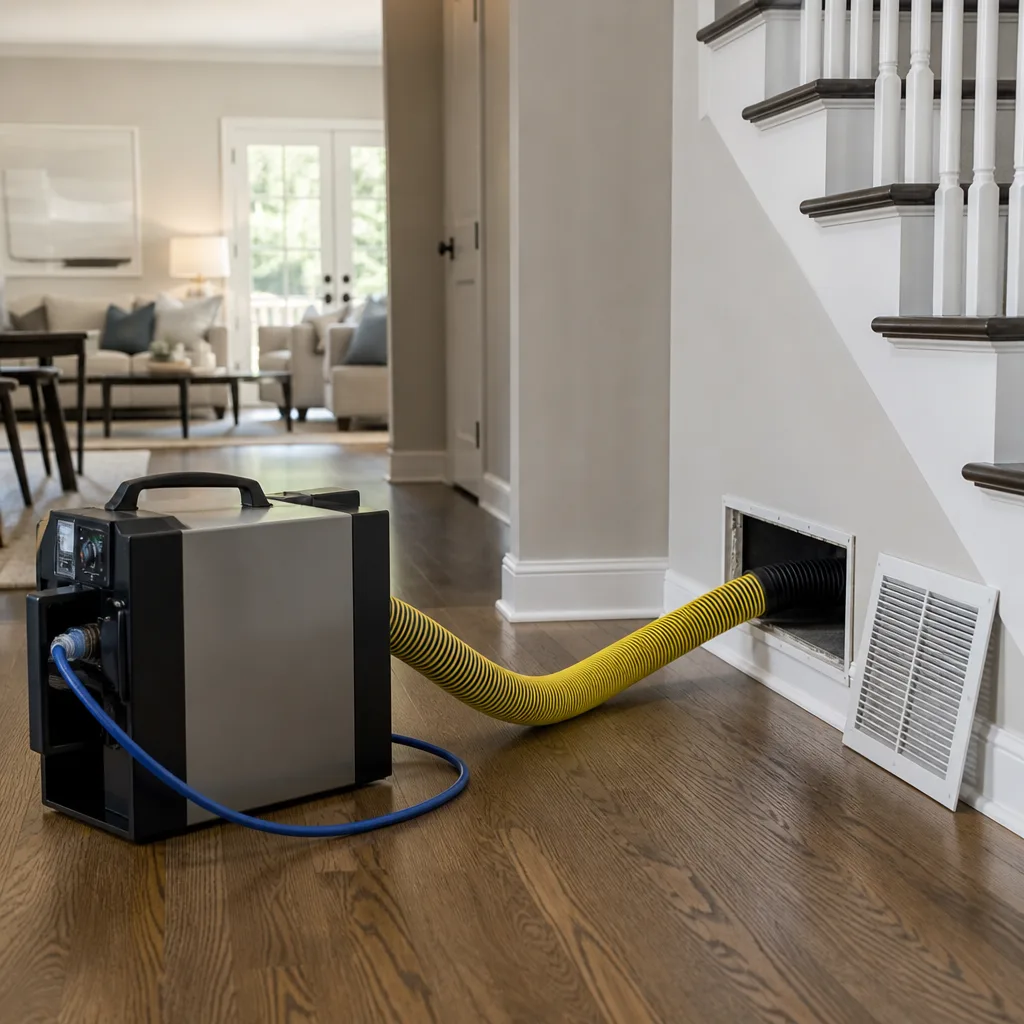 Whole-home duct cleaning
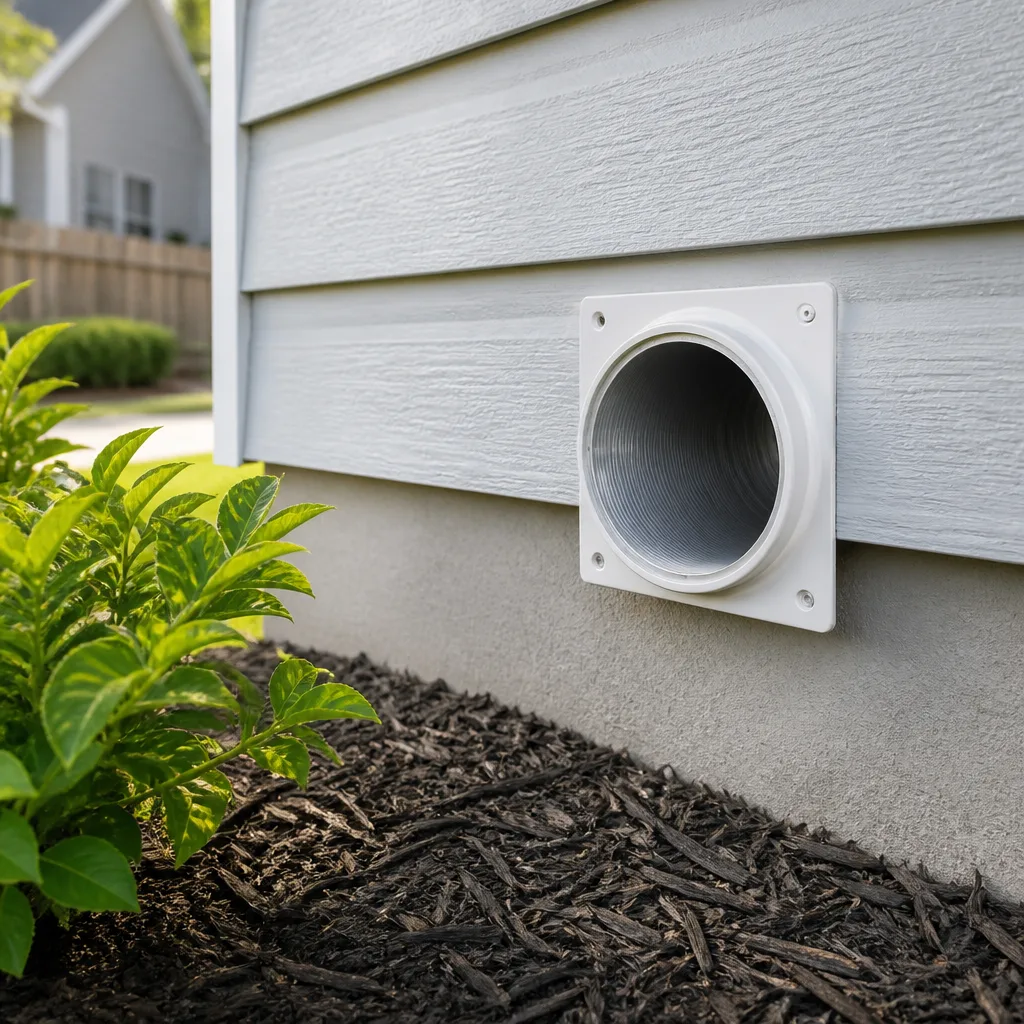 Dryer vent cleaning
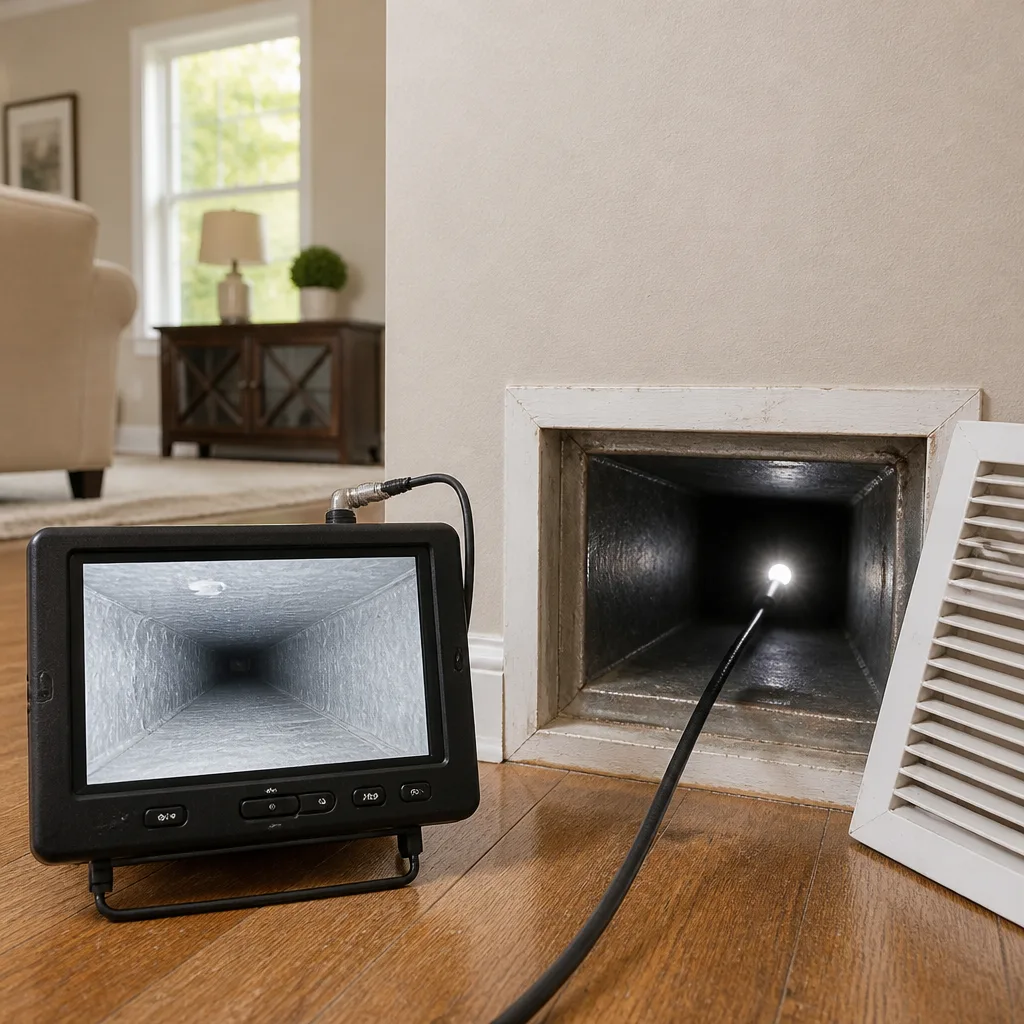 Camera inspection
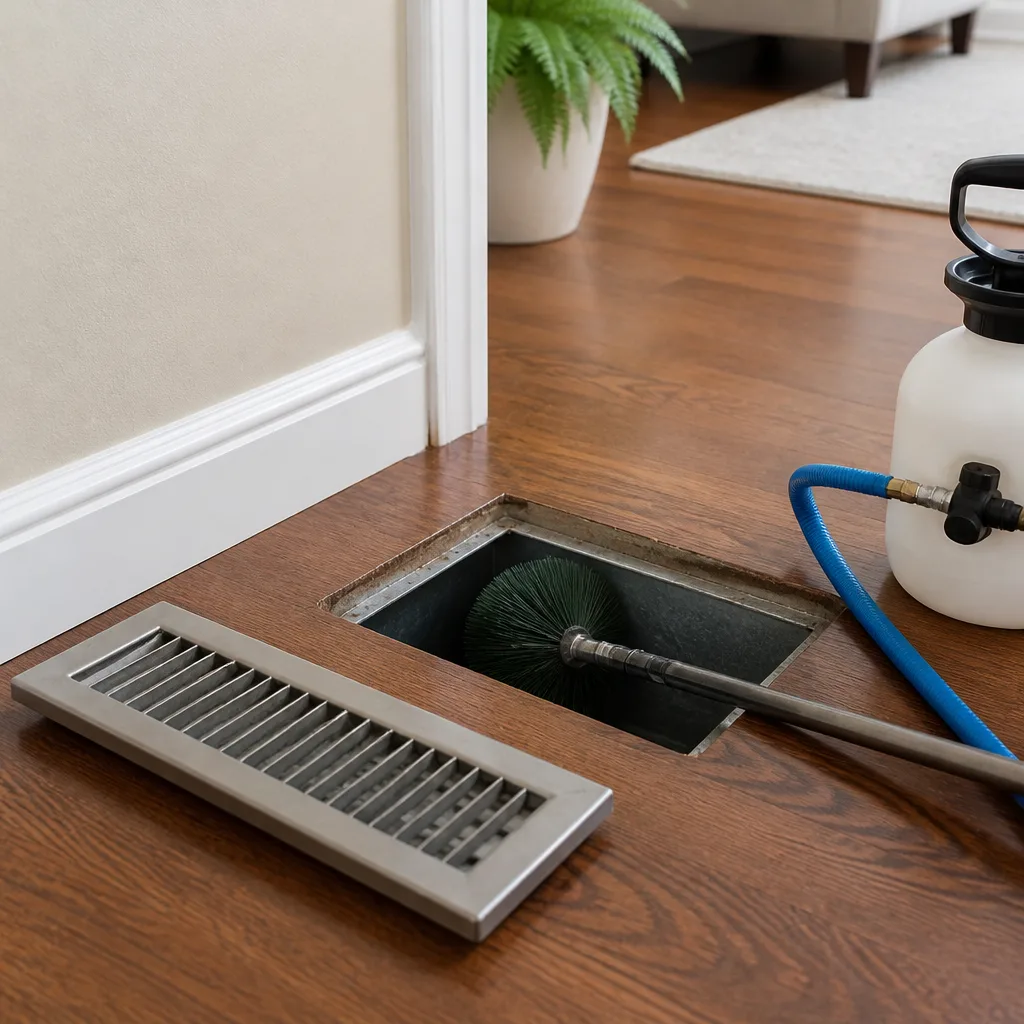 Sanitizing & deodorizing
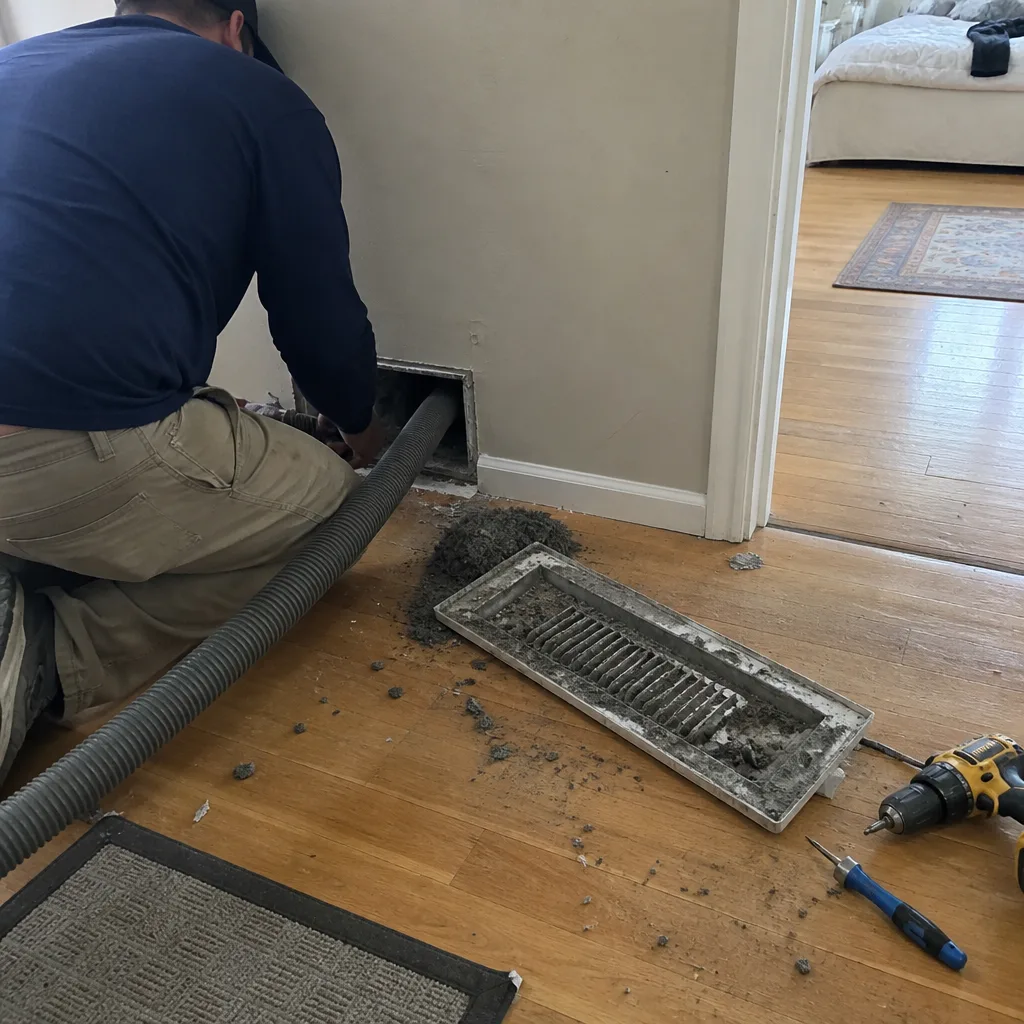
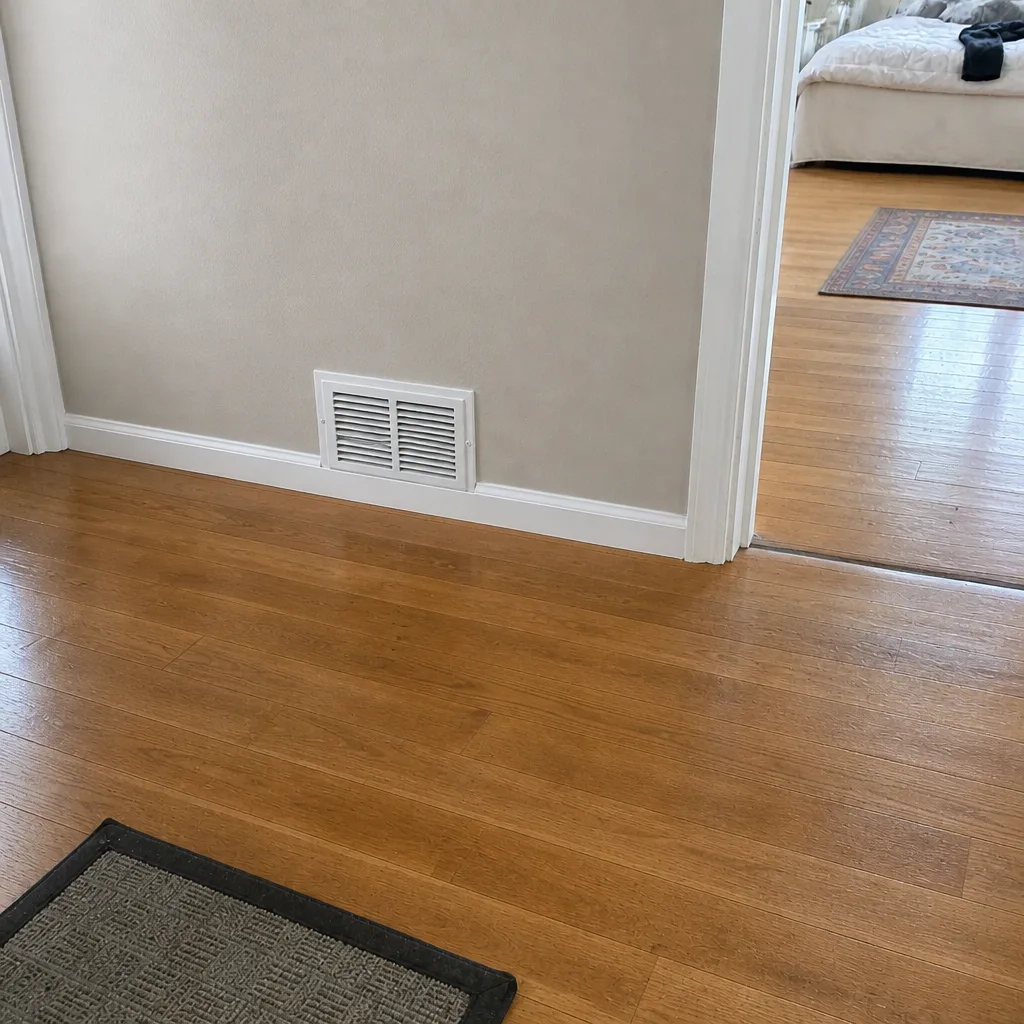
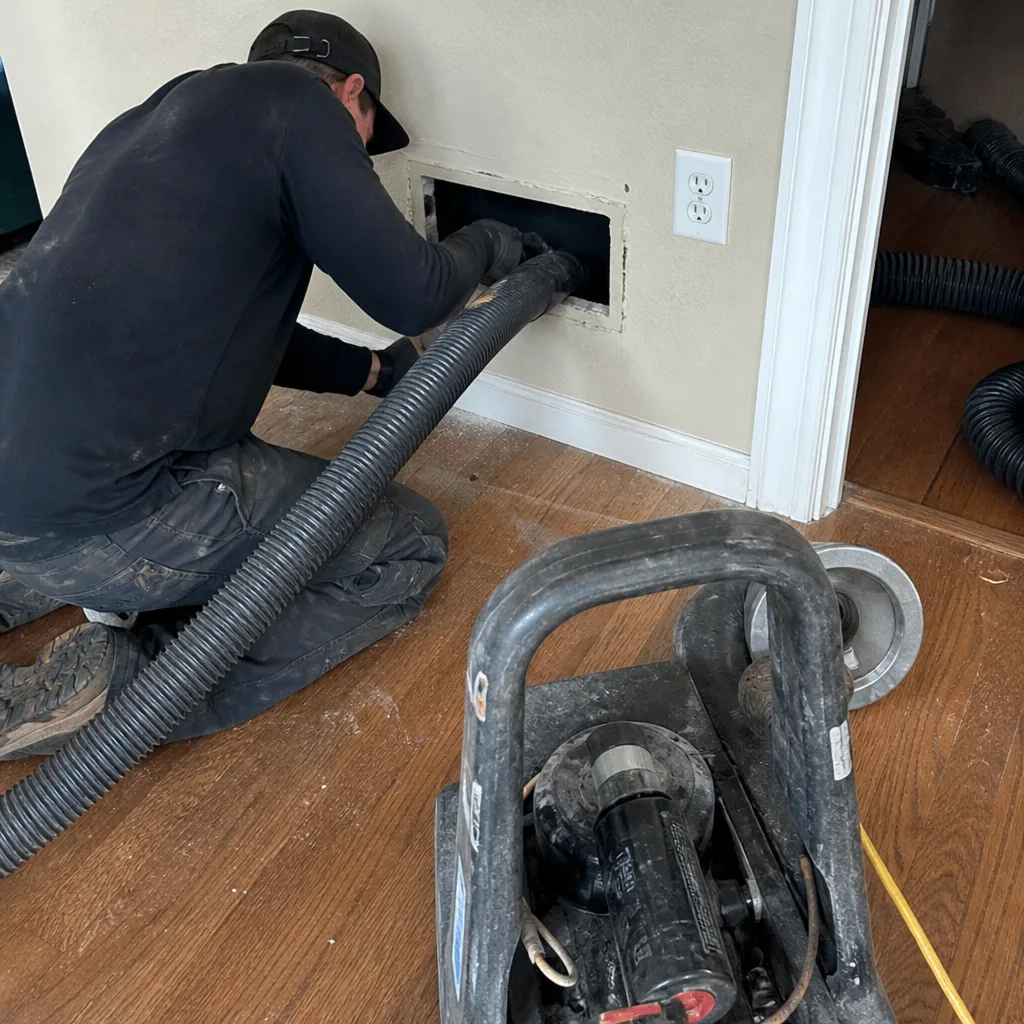
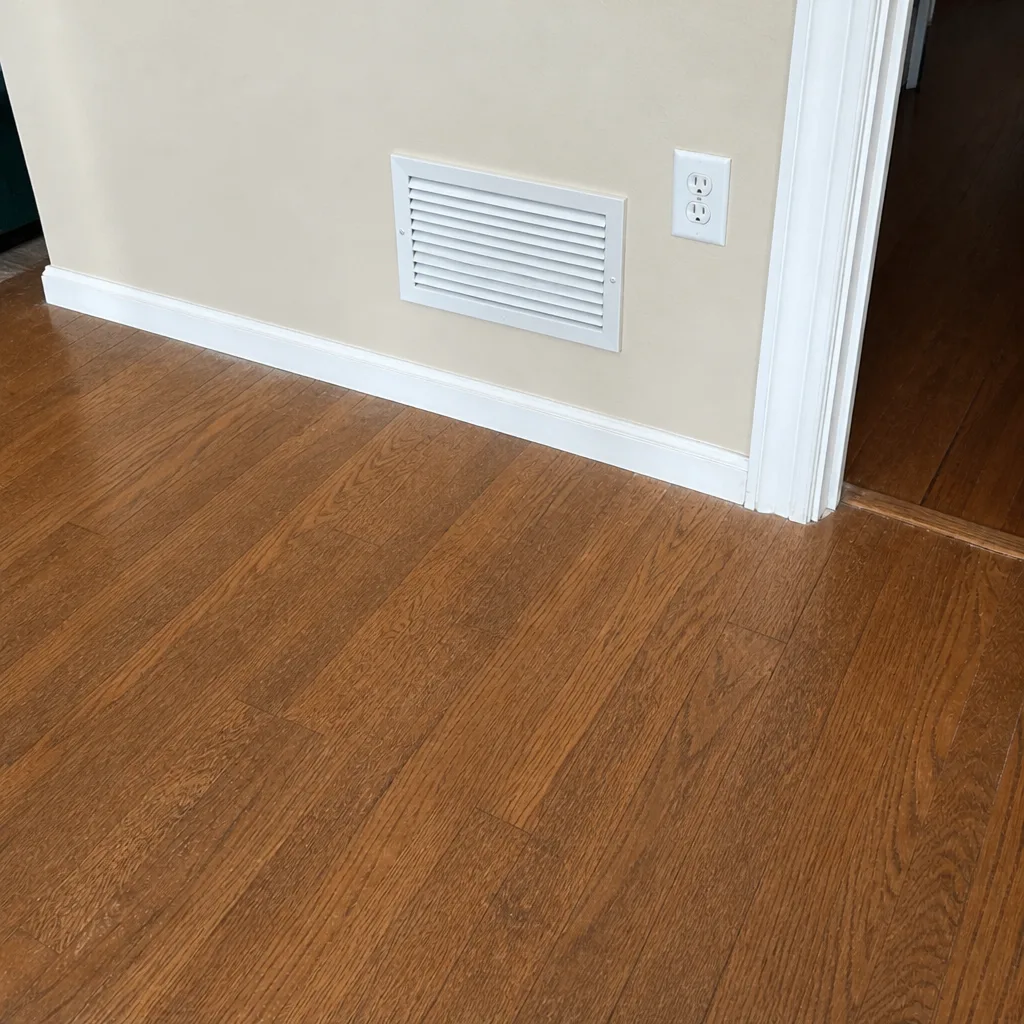
Whole-system duct and dryer vent check with before-and-after photos - you see exactly what came out of your vents
That "$99 whole-house special" is a bait ad - the real number appears once they are in your hallway, or the "clean" is a shop-vac at the register. We photograph the inside of your ducts before and after instead.
How to Hire an Air Duct Cleaning Contractor in Tallyn’s Reach: A Step-by-Step Guide
Most people hire a duct cleaner the same way they hire a plumber: they get three prices and pick the lowest one. That logic works fine for a dripping faucet. It fails badly for ductwork, because the cheapest quote almost never describes the same job as the middle or top quote. We’ve watched homeowners in Tallyn’s Reach pay twice for the same system: once for a surface pass with a shop-style vacuum, then again for the thorough cleaning they thought they’d already bought. This guide teaches you to screen contractors on process and equipment first, before price ever enters the conversation.
Quick Answer
Hire an air duct cleaning contractor in Tallyn’s Reach by asking five equipment and process questions before you book: what kind of vacuum (truck-mount or HEPA-rated portable), how they agitate debris off the duct walls, how they set up negative pressure, whether they use a camera, and what written scope of work they’ll put in writing. A fair contractor answers all five without hesitation and hands you a defined scope before a technician arrives. Anyone who can’t describe their setup in plain terms is selling a price, not a process.
Styles & brands we work with
- Whole-home duct cleaning
- Dryer vent cleaning
- Camera inspection
- Sanitizing & deodorizing
Table of Contents
- Why Price Is the Last Question You Should Ask
- The Five Equipment Questions to Ask Before Booking
- NADCA Membership: A Floor, Not a Guarantee
- How to Request and Read a Written Scope of Work
- Red Flags Specific to the Tallyn’s Reach Service Market
- What a Legitimate Post-Job Report Should Contain
- When Cleaning Isn’t the Whole Answer: Sealing, Sanitizing, Air Quality
- The Step-by-Step Hiring Process
Why Price Is the Last Question You Should Ask
Proper duct cleaning is hours of physical work, not a 45-minute sweep. A full negative-pressure setup has to be assembled, the vacuum has to be connected to the main trunk, every supply and return has to be agitated, and the entire system has to be verified before the crew tears down. On a typical single-family home, that’s a working morning or more. Equipment has to be trucked in, maintained, and operated by someone who knows how to read what comes out of the system.
That math is why the industry’s bait-and-switch reputation exists. A very low headline price only pencils out if a contractor is skipping the portion of the job that takes time. What typically gets skipped:
- Negative-pressure containment. Without it, dislodged debris drifts back into living space instead of being captured.
- Real vacuum capacity. A shop-style vacuum can’t move enough air volume to pull debris off long duct runs.
- Brush or air agitation. Caked dust on the duct wall doesn’t jump into a vacuum on its own. It has to be broken loose first.
- Verification. A camera inspection before and after is how you know the job matched the scope.
None of that is exotic. It’s standard practice for air duct cleaning done correctly, and it defines the difference between a system that’s genuinely cleaner and one that merely got a pass over the registers. Once you know what a proper job requires, you can compare quotes that actually quote the same work.
The Five Equipment Questions to Ask Before Booking
Ask these on the phone, before you schedule. A legitimate contractor answers them in plain language, without deflecting. The answers tell you more than any review site will.
1. What kind of vacuum are you running?
You’re listening for two categories: a truck-mount vacuum or a high-capacity portable unit with HEPA-rated filtration. Both can do the work on a residential system. A standard shop vacuum cannot: it lacks the airflow volume and its filter isn’t built to contain fine particulate. At Air Duct Cleaning Tallyn’s Reach, we run Nikro HEPA-rated vacuum equipment to contain what gets loosened inside the system.
2. How does the vacuum connect to the system?
The vacuum is tied into the main trunk line, usually through a temporary access opening, so the whole system pulls in one direction while the crew works branch by branch. If a contractor can’t explain how they’ll connect, they likely don’t have equipment designed to connect that way.
3. How do you agitate debris off the duct walls?
Agitation is the part most cheap jobs skip. Listen for rotary brush systems, air whips, or compressed-air agitation on the supply runs. We use a Rotobrush rotary cleaning system on every duct job because the brush does the physical work a vacuum alone can’t. A contractor who says “the vacuum pulls it all out” is telling you they don’t agitate.
4. Can you look inside the system with a camera?
A camera lets you see the duct interior before the work starts and after it ends. It’s how a contractor confirms a return chase isn’t lined with debris, and how you verify the work rather than trusting a verbal description.
5. How do you set up negative pressure, and what’s your containment method?
This is the single most important question. Negative pressure means the duct system is held at lower pressure than the room, so debris travels toward the vacuum and not into the living space. Ask how they protect the registers and the surrounding floors while the vacuum runs. A contractor who explains this clearly has done it many times.
NADCA Membership: A Floor, Not a Guarantee
The National Air Duct Cleaners Association sets the industry’s baseline standards for how duct cleaning should be performed and documented. Membership is a reasonable floor when you’re screening contractors. It is not, by itself, proof that any particular job will be done thoroughly.
Membership tells you a contractor has chosen to be part of the trade association and can access its guidance. It doesn’t tell you the vacuum that shows up, the crew’s training, or whether the process matches the sales pitch. So use NADCA membership as a starting filter and then keep asking questions. Specifically:
- Ask what equipment they’ll bring on the day. The specific vacuum, the agitation tool, and whether they use a camera.
- Ask whether their technicians are employees or subcontractors. It changes who’s actually responsible for the work.
- Ask for a written scope, not just a price. This is covered in the next section.
- Ask what happens if the camera shows something the quote didn’t expect. The answer should be: they stop, explain, and get your approval before doing more.
The same logic applies to any credential a contractor cites. Certifications, association logos, and equipment brand names give you things to verify, not things to trust on sight. On a service like HVAC cleaning, where the air handler, coils, and blower get handled as well as the ducts, that verification matters even more: there’s more equipment involved and more that can be done incorrectly.
How to Request and Read a Written Scope of Work
Ask for a written scope before the technician arrives. Any contractor with a defined process can produce one. Here’s what a proper scope looks like and what each piece tells you.
- How many supply and return registers will be serviced. The count should match the home, not the quote template.
- What equipment will be used by name. Vacuum type, agitation method, camera inspection.
- Where access openings will be made, and how they’ll be closed. You want to know exactly what gets cut into ductwork.
- Whether the air handler, coils, and blower are included. Many quotes cover only the ducts, and those components carry a large share of the contamination.
- What’s excluded. The exclusions are where bait-and-switch lives. If the scope excludes agitation or the air handler, expect an add-on discussion mid-job.
- What documentation you’ll receive after. Before-and-after photos and a written summary.
Read the exclusions more carefully than the inclusions. A scope that lists two registers per room but excludes agitation is telling you a vacuum will be run past each register. A scope that says “standard residential cleaning” without specifying what’s covered isn’t a scope, it’s a label.
Red Flags Specific to the Tallyn’s Reach Service Market
Tallyn’s Reach sits along the eastern edge of the metro area, and the pattern of contractors working here has some specific tells. Duct cleaning is one of those categories where the sales pitch is often outsourced from somewhere else entirely. Watch for:
- Out-of-area crews with no local accountability. Ask where the crew is coming from and who does the work. If the phone number routes to a call center and no one can tell you the name of the crew that will show up, the accountability is thin once the truck leaves.
- No physical address to verify. You don’t need a contractor headquartered in Tallyn’s Reach. You do need an address you can check against the service history you’re being promised.
- Pressure to add services during the job. A technician who “discovers” a mold problem or a broken seal minutes into the visit and quotes it on the spot is doing sales, not diagnosis. Ask them to photograph and document it, then decide after they’ve left.
- Pricing by the vent. Legitimate duct cleaning is quoted per system, not per register. Per-vent pricing is how a $99 headline becomes a much larger number.
- No camera, no photos. Anyone who can’t show you the interior of the duct before and after is asking you to take the work on faith.
- Time-on-site that’s too short for the scope. A whole-system cleaning on a typical home should take a working morning or more. A 30-minute visit is a register sweep.
One more local consideration: the Front Range’s dry air and long heating season mean duct systems carry a lot of airborne dust through the winter, and homes in this area vary widely in age and duct construction. A contractor who treats every house the same isn’t factoring for that variation. The best sign you can get is a contractor who asks about your system and home before quoting.
What a Legitimate Post-Job Report Should Contain
A proper job ends with documentation you can keep. This is how you’ll compare future bids, and how a future contractor (or you, years later) knows what was done. Ask for it in advance, and expect these pieces:
- Before-and-after photos. Register interior, main trunk, and the air handler if it was in scope. Photos taken at the same angles so the comparison means something.
- A written summary of the system serviced. Component number of registers, main trunk, air handler, coils and blower if included.
- Any findings. A gap at a joint, a disconnected branch, a return chase with poor access. Unexpected findings should sit in writing, not be turned into a mid-visit upsell.
- A record of the products used. If a sanitizer was applied, what it was and where. Textile duct systems shouldn’t get the same treatment as metal ductwork, and the report should reflect what your system actually has.
- The contractor’s own record of the scope and any exclusions. This is the document you’ll pull out when the next contractor asks what was done last.
Keep the report with your HVAC records. If you ever sell the home or need service years later, it tells the next contractor what was done and when. A contractor who hesitates to leave you with photos has given you your answer about how the work went.
When Cleaning Isn’t the Whole Answer: Sealing, Sanitizing, and Air Quality
Some duct problems can’t be cleaned away. A joint that leaks sends conditioned air into the attic or wall cavity and pulls dusty air back into the system. A sanitizing job on a system with a leaking return just re-contaminates itself. If the source isn’t fixed, the cleaning doesn’t hold.
That’s why we treat cleaning and repair as one conversation. Duct repair and sealing address the root cause: a sealed system doesn’t pull dust in through gaps, and it doesn’t lose conditioned air to the crawlspace. Sanitizing addresses microbial growth where it’s present, but only after the surfaces are clean and the system is sealed. On a serious contamination job, we use Abatement Technologies equipment to handle elevated particulate and remediation scenarios beyond routine cleaning. For homes that need stronger filtration or humidity control, Aprilaire and Honeywell air quality solutions can be integrated in the same visit, so you’re not chasing down a separate contractor afterward.
Filtration and humidity control are the two levers most homeowners never think about. If your system is circulating dry, dusty air all winter, upgrading the filtration and humidity control changes what the whole system carries year-round. Cleaning without addressing those is a reset that drifts back over time.
The same thinking applies outside the ductwork. Dryer vents are a separate fire-risk item and deserve their own attention: dryer vent cleaning removes the lint accumulations that cause lint-related dryer fires, and it’s almost always worth doing when a crew is already in the house.
The Step-by-Step Hiring Process
Here’s the sequence. If you follow it, you’ll get quotes that describe comparable work, and you’ll know what you’re buying before anyone shows up.
- Define what you’re actually asking for. Just the ducts? Ducts plus air handler? Is there a known problem (allergies, recent renovation, an older home, never serviced)? Write it down before you call.
- Get three quotes, but ask the equipment questions first. Use the five questions above. Anyone who can’t answer them is out, regardless of price.
- Request a written scope from each contractor. Compare the exclusions, not the headlines.
- Ask for before-and-after documentation with the scope. How will they show you the work was done?
- Choose on process, then price. A contractor who walks you through the scope in plain language is showing you how the whole job will go.
- Book, but leave room for a conversation. If the camera turns up something not in the scope, you want the contractor to stop, show you, and quote it separately in writing.
- Keep the report and photos. Compare them to future bids and to what the next contractor says.
For context on equipment and approach at a business level, our main page on Air Duct Cleaning Tallyn’s Reach spells out how we handle each of these steps. The important part isn’t which contractor you choose: it’s that the questions you ask on the front end are the same ones any honest contractor expects.
Common Mistakes to Avoid
- Leading with, “What’s your price?” When price comes first, you’re comparing numbers, not jobs. Ask the equipment questions and request a written scope first, and the price comparison actually means something.
- Assuming NADCA membership alone is enough. It’s a floor. A contractor can be a member and still send a different crew than the one you spoke to. Verify the equipment and the scope.
- Accepting a quote with no written scope. If it isn’t in writing, the exclusions are whatever the technician decides on the day he arrives.
- Overlooking the air handler. Both the coils and blower will hold contamination that the ducts don’t. A quote that covers only the ducts can leave the biggest source untouched.
- Letting a mid-job add-on become the real price. Any issue the crew finds should be documented, priced in writing, and approved by you before work continues.
- Skipping the post-job report. No photos, no summary, no documentation means you have no way to compare future bids or verify what was done.
- Cleaning a system with known leaks and calling it done. In a Tallyn’s Reach home with duct joints that leak into the attic, a cleaning without addressing the leaks just re-contaminates itself and loses energy year-round.
See the difference
 Before
 After
 Before
 After
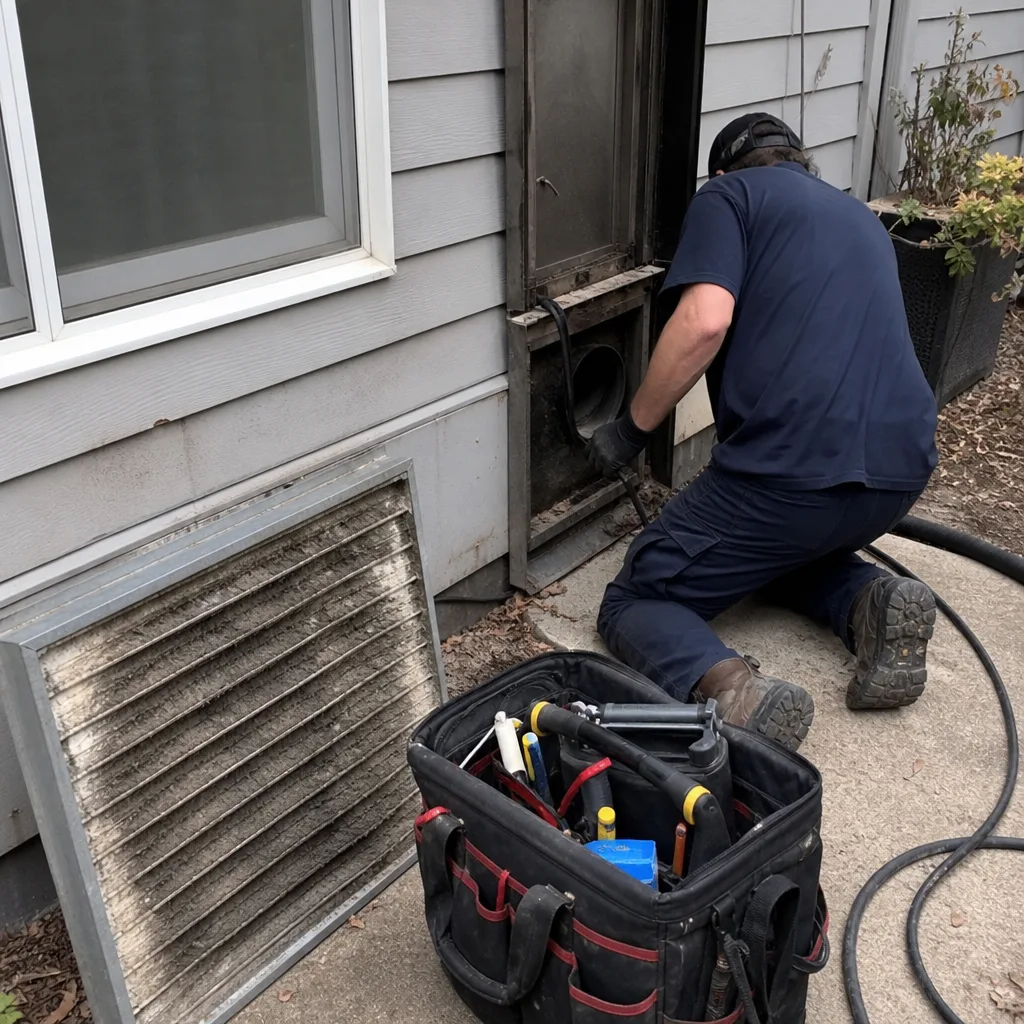 Before
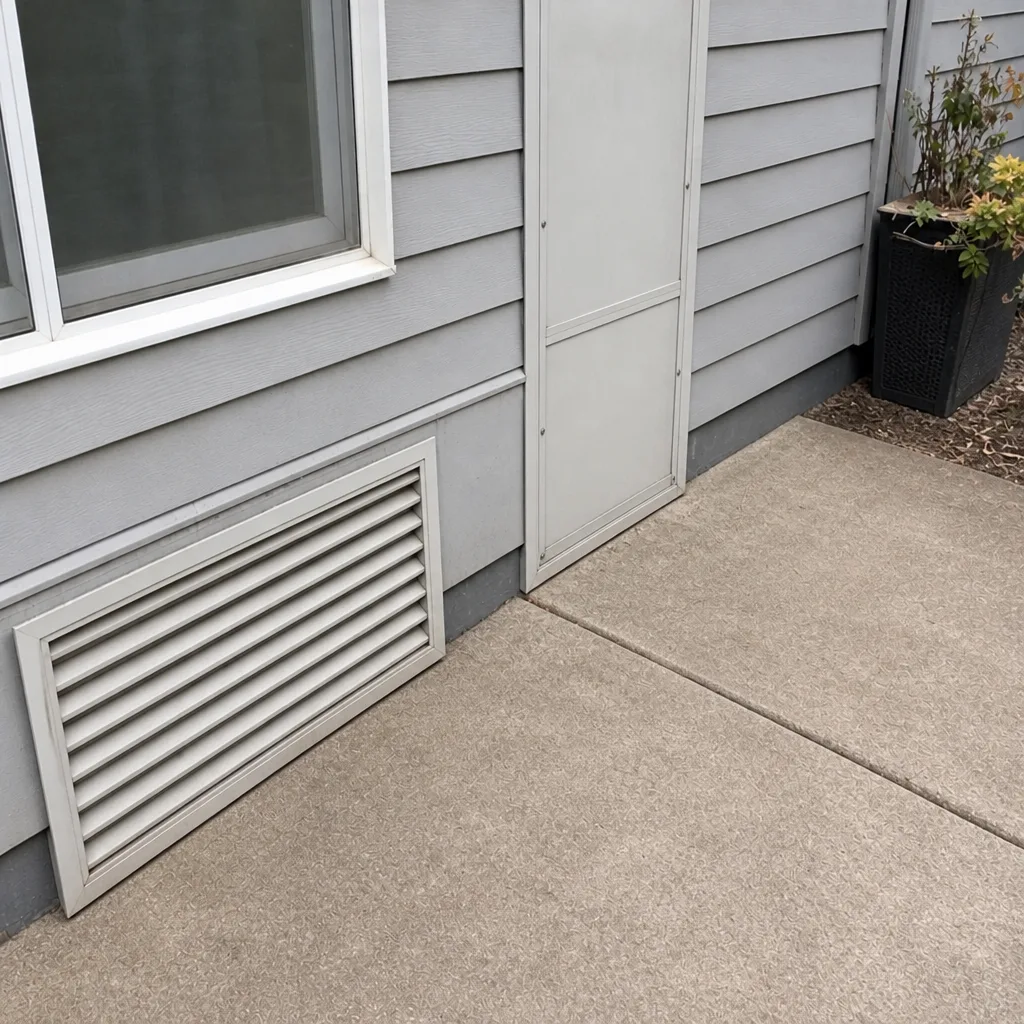 After
When to Call a Professional
Some situations call for a contractor rather than a DIY register wipe-down. Call a professional when you notice visible dust or debris blowing from the supply registers, when the grilles look dark and coated, when you’ve just finished a renovation that sent drywall dust through the system, or when a house has gone years without service and you don’t know its history. Call also if anyone in the home is reacting to what the system is circulating, if the dryer is taking multiple cycles to finish, or if you’ve spotted separation at a duct joint or flexible duct connection. Those are all signs that the system itself needs investigation, not just a filter change.
Air Duct Cleaning Tallyn’s Reach offers free estimates in Tallyn’s Reach. Call (855) 550-7311. We answer 24/7. Fast dispatch from 7am to 7pm, Sunday through Friday.
Frequently Asked Questions
Most residential air duct cleaning in the Tallyn’s Reach area falls into a range that depends on system size and scope (ducts only versus ducts plus air handler). Any honest quote is built per system after the contractor has seen what’s there. Call (855) 550-7311 for an exact quote, and ask for it in writing with a defined scope. Estimates are free.
Cheap quotes usually skip the parts that take time: negative-pressure containment, agitation, HEPA filtration, and camera verification. What’s left is a pass over the registers. A quote that looks dramatically lower than the others is often a different, much smaller job. Call (855) 550-7311 and we’ll walk through what each scope covers. Estimates are free.
Ask for before-and-after photos taken at the same angles, plus a written summary of what was serviced. A camera inspection before and after is the standard. If a contractor can’t or won’t document the work, that’s the answer. Call (855) 550-7311 to book an inspection with documentation. Estimates are free.
There’s no universal interval. Most homes do well every few years unless there’s a reason to look sooner: a renovation, persistent dust, allergy symptoms, an older system with unknown history, or a recent move into a home you’ve never had serviced. The right answer is to inspect first and clean based on what’s there, not on a calendar. Call (855) 550-7311 to schedule an inspection. Estimates are free.
We handle both. Ductwork, air handler, coils, and blower are all part of the system and all collect contamination, so scoping them together is the thorough approach. Ask any contractor exactly what their scope includes, because many quotes cover only the ducts. Call (855) 550-7311 with questions. Estimates are free.
The Front Range climate means long heating seasons and dry airborne dust moving through the system much of the year. Homes in this area also vary considerably in age and duct construction. A contractor who treats every system the same won’t account for that. Call (855) 550-7311 to talk through your home’s setup before booking. Estimates are free.
We’re closed on Saturdays. If your call comes in on a Saturday, we’ll book you into the next available opening, Sunday through Friday, 7am to 7pm. The phone line is answered around the clock: call (855) 550-7311.
The Bottom Line
Hiring the right duct cleaner in Tallyn’s Reach isn’t about finding the lowest number or the loudest logo. It’s about verifying five things before you book: the vacuum, the agitation method, the negative-pressure setup, the camera inspection, and the written scope. A contractor who can walk you through those in plain language is telling you how the job will go. One who can’t is telling you it’s a price, not a process. Get the scope in writing, ask for before-and-after documentation, and keep the report. Our technicians have up to 14 years of experience, and we treat every system as a full system, not a row of registers.
Air Duct Cleaning Tallyn’s Reach handles air duct cleaning, dryer vent cleaning, HVAC cleaning, duct repair and sealing, and air quality and sanitizing for residential customers across Tallyn’s Reach. From surface cleaning to full air-quality remediation, it’s the same team and the same equipment. Call (855) 550-7311 for a free estimate. We answer 24/7. Fast dispatch from 7am to 7pm, Sunday through Friday.
Written by the team at Air Duct Cleaning Tallyn’s Reach.