
Last updated November 24, 2026
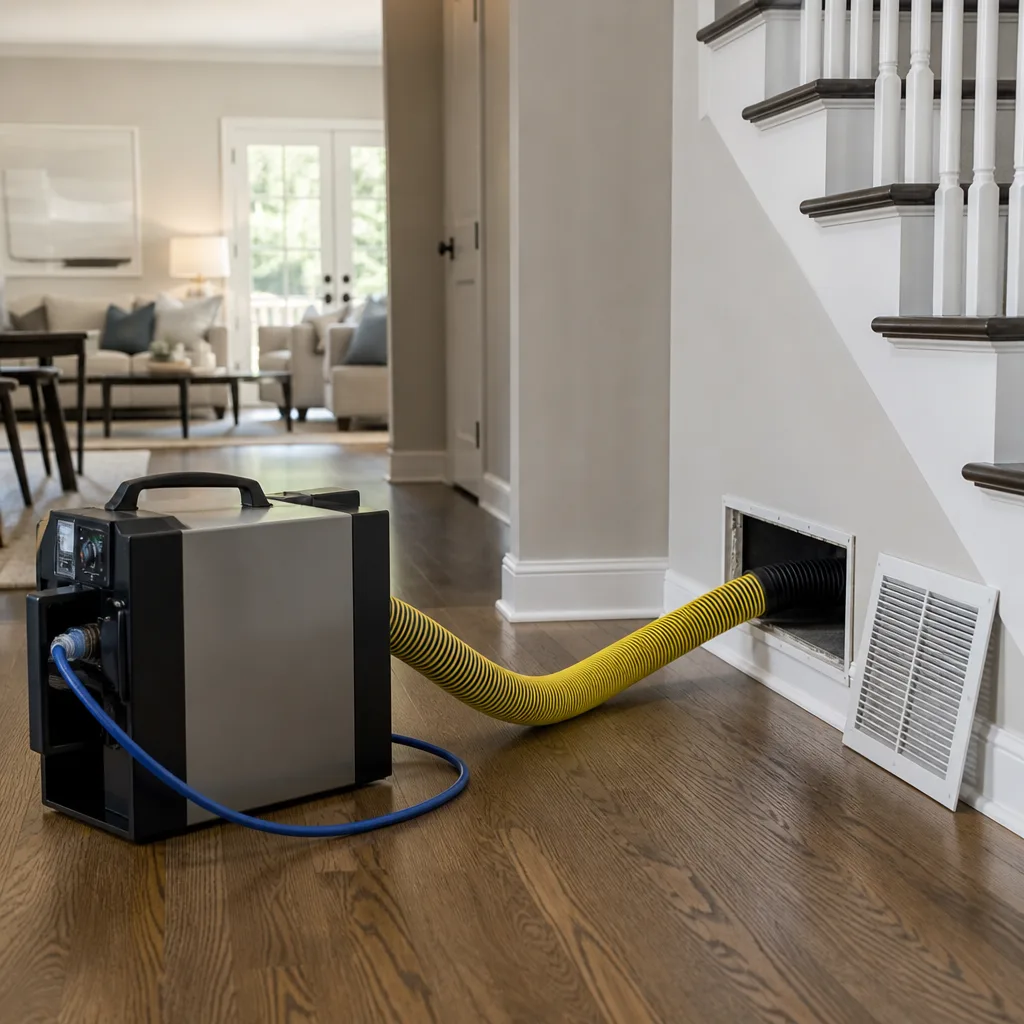 Whole-home duct cleaning
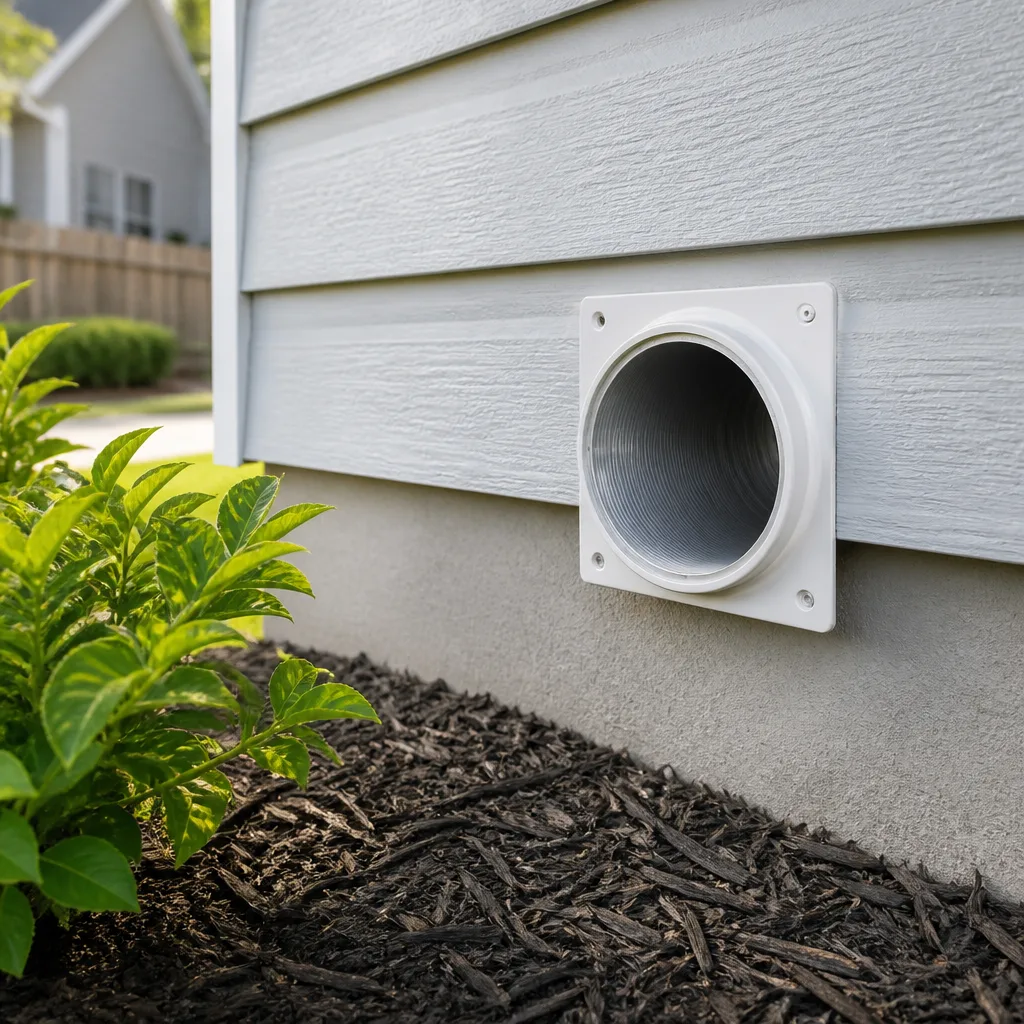 Dryer vent cleaning
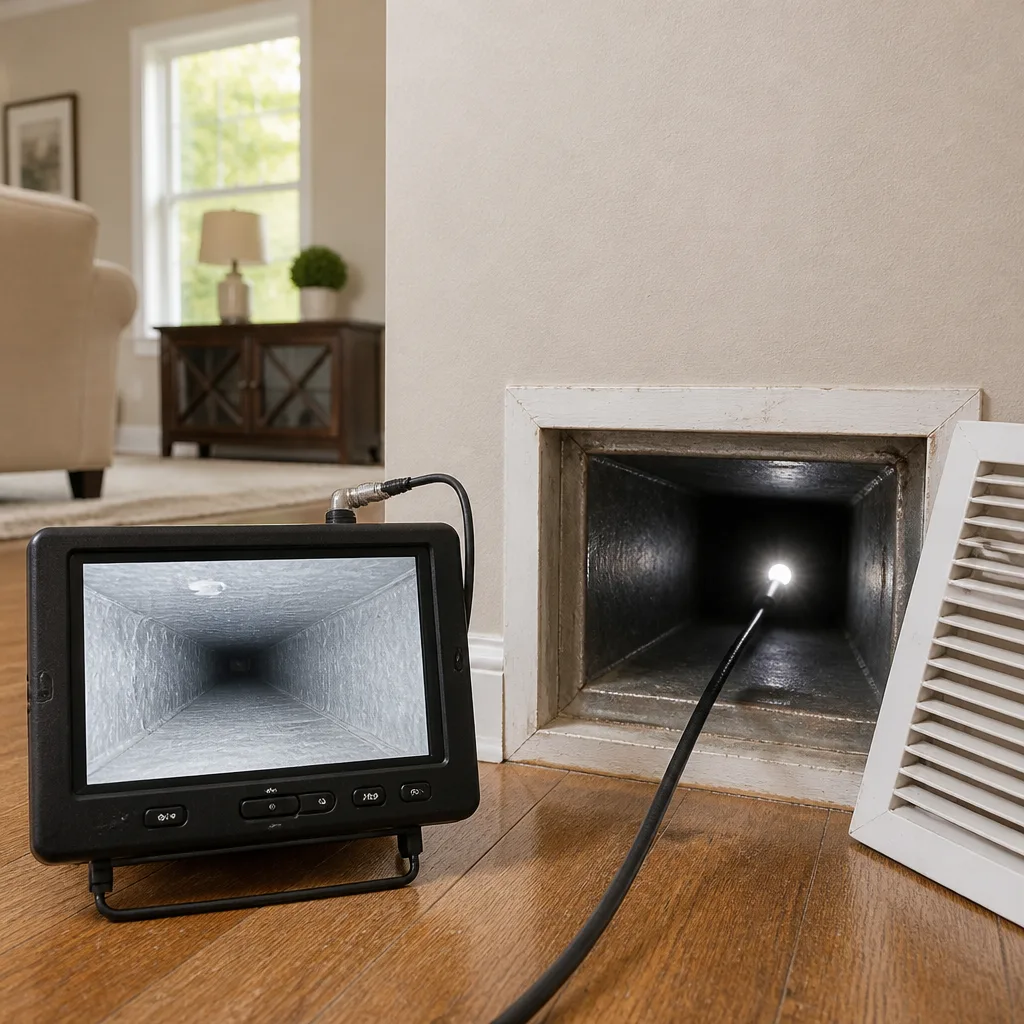 Camera inspection
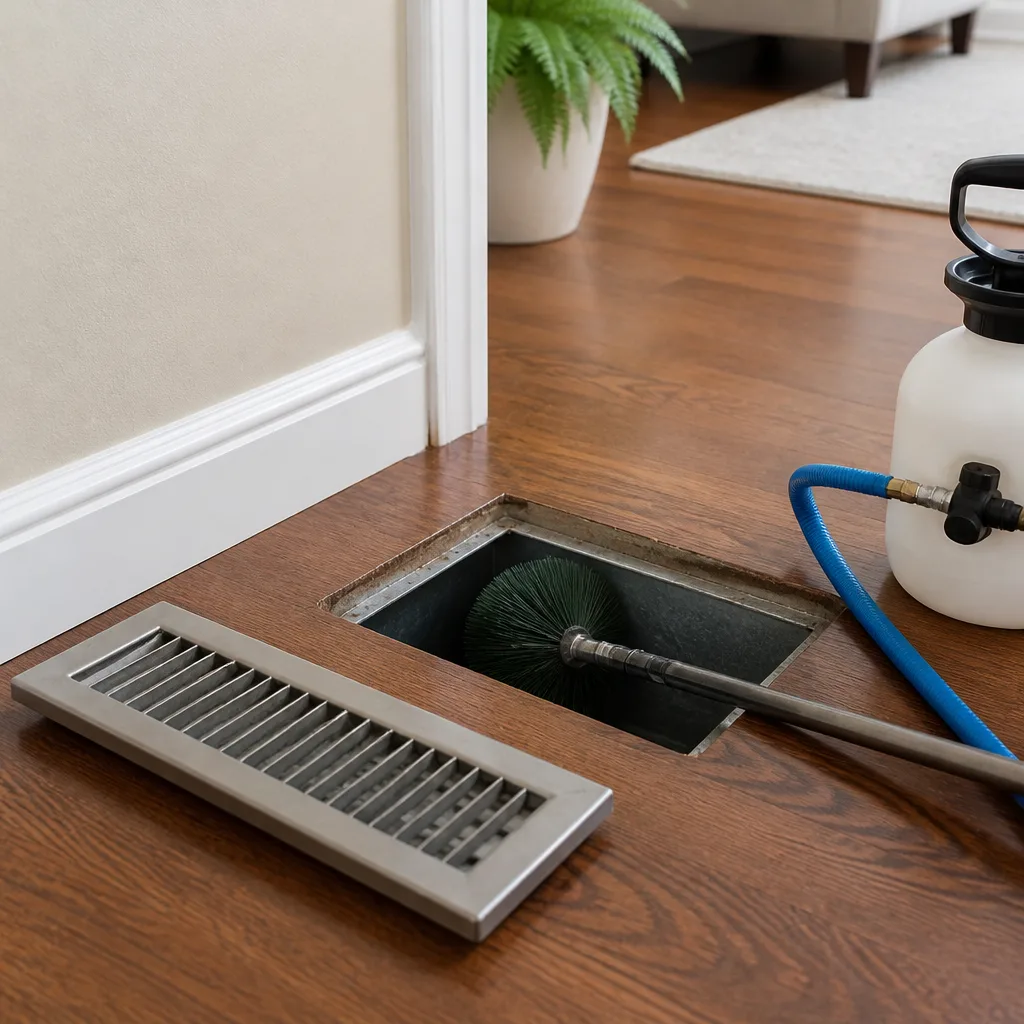 Sanitizing & deodorizing
Whole-system duct and dryer vent check with before-and-after photos - you see exactly what came out of your vents
That "$99 whole-house special" is a bait ad - the real number appears once they are in your hallway, or the "clean" is a shop-vac at the register. We photograph the inside of your ducts before and after instead.
The Complete Guide to Air Duct Cleaning in Tallyn’s Reach
The EPA does not recommend routine annual duct cleaning. That surprises most homeowners, and it should reframe the whole conversation. The real question isn’t whether to clean your ducts every year, it’s how to know when your specific system actually needs it and what “complete” looks like when it’s done right. Most guides treat ductwork as one component. In Tallyn’s Reach, where many homes went up in the early 2000s boom with long flex duct runs and graded lots, construction patterns decide where debris piles up and where cleaning genuinely matters. This guide maps the system room by room so you can tell a thorough job from a skipped one.
Quick Answer
Air duct cleaning in Tallyn’s Reach is worth doing when your system shows specific signs – visible dust streaking at registers, a recent renovation, musty odors when the fan runs, or a system that has never been serviced – not on a fixed yearly calendar. A complete job covers supply ducts, return plenums, the air handler cabinet, the coil, and the drain pan using professional-grade equipment like Rotobrush and Nikro HEPA vacuums, not shop vacuums. The best way to judge whether it was done well is before-and-after documentation of the whole system, not just the registers you can see.
Styles & brands we work with
- Whole-home duct cleaning
- Dryer vent cleaning
- Camera inspection
- Sanitizing & deodorizing
Table of Contents
- Why Annual Duct Cleaning Isn’t the Right Rule
- How Early 2000s Construction Shaped Tallyn’s Reach Ductwork
- What a Full-System Clean Actually Covers
- How to Read Before-and-After Documentation
- Colorado’s Dry Climate and Wildfire Smoke Seasons
- Why Cleaning Without a Blower Door Misses the Picture
- Room-by-Room: Where Debris Hides
- Repair, Sealing, and Air Quality in One Visit
Why Annual Duct Cleaning Isn’t the Right Rule
The “clean your ducts every year” pitch is a sales rhythm, not a health standard. The EPA’s guidance is conditional: clean when there’s a reason, not on a schedule. That distinction matters because it protects you from paying for a service your system may not need yet, and it also protects you from the opposite mistake – skipping a cleaning when conditions in your home have genuinely changed.
In our experience, the triggers that actually justify a cleaning fall into a few clear categories:
- Renovation or construction dust. Drywall dust and sawdust travel farther through ductwork than most people expect, and the fine particles settle in low-velocity sections where they don’t easily blow back out.
- Visible particulate at registers. Dark streaking around supply vents or dust settling on nearby surfaces within days of cleaning suggests the system is moving debris, not just air.
- Odor when the fan starts. A musty or stale smell that appears only when the blower kicks on points to something growing or collecting inside the system.
- Never serviced. A home that has gone many years without a duct, HVAC, or coil cleaning is a reasonable candidate, especially if prior owners had pets or smoked indoors.
- Allergy or respiratory sensitivity. Even without visible dust, a household with a sensitive occupant often benefits from lowering the particulate load the system circulates.
Tallyn’s Reach homes sit in a market where buyers and long-term owners alike care about air quality, and that’s fair. But the honest answer is that a well-maintained system on a good filter can go years between cleanings. What matters more is knowing your system’s condition, which is why a proper assessment comes before any quote. That’s the entry point for air duct cleaning done the right way.
How Early 2000s Construction Shaped Tallyn’s Reach Ductwork
Much of Tallyn’s Reach was built during the early 2000s residential boom, and that era left a specific fingerprint on ductwork. Builders were moving fast, and flexible duct – often called flex duct – became the default for branch runs because it’s cheap to install and routes around obstacles quickly. That’s not inherently bad, but flex duct has characteristics every homeowner in Tallyn’s Reach should understand.
The flex duct reality
Flex duct is a wire-reinforced plastic sleeve with insulation wrapped around it. It’s efficient when installed straight and fully extended. It’s a debris trap when it’s compressed, sagging, or bent into tight turns – all of which happen in attics where installers were working around trusses and equipment. Every sag becomes a low spot where particulate settles. Every sharp bend creates turbulence that drops dust out of the airstream rather than carrying it to the filter.
That means two homes of similar age in Tallyn’s Reach can have very different duct conditions depending on how their runs were laid out. A room-by-room assessment catches the difference. A one-size-fits-all cleaning doesn’t.
Lot grading and where air comes from
Tallyn’s Reach lots were graded to move water away from foundations, which is standard practice. But grading also influences how close the soil sits to crawlspace vents, foundation walls, and the return-air pathways that pull air into the system. In homes with crawlspaces or garage-adjacent air handlers, the return side can draw in soil particulate and outdoor dust. Sealing the return plenum and checking connections matters as much as cleaning the supply side, and that’s exactly the kind of root cause a HVAC cleaning visit can address.
Materials and age
Early 2000s homes in Tallyn’s Reach also commonly have sheet-metal trunk lines with flex branches, rigid return ducts, and a mix of interior and attic-mounted air handlers. That mixed construction is why a technician needs to trace the whole system rather than clean the visible trunk and call it done. The material mix determines the right cleaning approach at each segment. Rotary tools work differently on sheet metal than on flex, and a professional adjusts accordingly.
What a Full-System Clean Actually Covers
A full-system duct cleaning touches the entire air path, from the return grille through the equipment and out to every supply register. Most “duct cleaning” complaints come from jobs that skip half of this. Here is what a complete clean should cover in a Tallyn’s Reach home, in the order a technician typically works it:
- Return grilles and return ducts. The return side carries dust-laden air back to the air handler, so it’s often the dirtiest part of the system. Cleaning starts here to prevent re-contamination downstream.
- Return plenum and air handler cabinet. The plenum is the transition box feeding the equipment. Dust accumulates on its interior walls and around the blower opening.
- Blower wheel and motor housing. A dirty blower wheel loses airflow efficiency, which stresses the motor and reduces how much conditioned air reaches rooms.
- Evaporator coil. The coil sits in the airstream and collects dust on its fins, which reduces heat transfer. Cleaning the coil matters for both airflow and efficiency.
- Drain pan and condensate line. The pan collects water and dust together, which is where biological growth tends to start. Cleaning it is part of air quality, not an add-on.
- Supply trunk and branch runs. This is the part homeowners see at registers. Rotary cleaning with a Rotobrush system scrubs duct walls while a Nikro HEPA vacuum holds debris under negative pressure so it doesn’t redistribute into the house.
- Supply registers and diffusers. Pulling and cleaning the grilles and wiping the boots rounds out the supply path.
- Final verification. Before-and-after photos and a walkthrough give the homeowner documentation of what actually changed.
If a quote doesn’t mention the coil, the drain pan, or the blower, that’s not a full-system clean – that’s register cleaning. It’s worth asking specifically where the service stops.
How to Read Before-and-After Documentation
The single best defense against a job that looks busy but doesn’t reach the whole system is documentation. Professional duct cleaning should produce photos of the interior of ducts, the coil, the air handler, and the plenums, taken before and after. Reading those photos is a skill, and a few guidelines help.
- Look for interior views, not just register shots. A photo of a clean register tells you nothing about the duct behind it. Ask for interior shots of the trunk and at least a couple of branch runs.
- Match views. The before and after should be shot from the same angle and location. If they aren’t, meaningful comparison is impossible.
- Check the equipment in the frame. Professional jobs use rotary and HEPA equipment, and you should see that gear in the photos or on site. Shop vacuums and consumer-grade tools don’t move the same volume of debris.
- Insist on the coil and drain pan. These are the two components most often skipped in documentation because they’re the least visible. Cleaning that doesn’t show the coil is incomplete.
- Ask for a walkthrough. A technician who can’t explain what was cleaned and why is a red flag. The same goes for anyone who rushes past your questions.
Our approach on every duct job is to walk the homeowner through the photos and the equipment, so the process is transparent from start to finish. The work speaks for itself when you can see it.
Colorado’s Dry Climate and Wildfire Smoke Seasons
Colorado’s Front Range has two climate pressures that directly influence duct condition. The first is the aridity. Low humidity means more airborne dust remains suspended longer, and static charges build in the air and on duct surfaces. That static attracts fine particulate that wouldn’t settle in a more humid climate. Flex duct lining, in particular, holds onto that fine dust more than smooth sheet metal does, and it doesn’t release easily without mechanical agitation – the kind a rotary cleaner provides.
The second pressure is wildfire smoke. Smoke seasons have become a consistent feature of summers along the Front Range, and when outdoor air quality drops, homeowners close up and rely on their HVAC system to filter what gets in. The problem is that the system wasn’t designed for that intensity of load over weeks. Fine smoke particulate stresses filters faster and loads the blower, coil, and duct lining. Over multiple seasons, that particulate accumulates in low-velocity sections of ductwork, especially in the flex branches and return plenums, and can sit there for years before it shows up as visible dust at a register.
What that means practically for a Tallyn’s Reach homeowner:
- Change filters on a schedule that ramps up during smoke season, not just on the same calendar interval year-round.
- Consider higher-MERV filtration that your system’s blower can handle, and have someone check static pressure before going too restrictive.
- Pay attention to the return side of the system in particular, because that’s where the smoke-loaded air travels first.
- If a household member had a rough allergy season, it’s worth getting the system assessed before the next one starts.
Dryer vents have their own seasonal dynamic here too. Lint accumulates faster in dry air because of static, and the fire risk is independent of everything else. That’s why dryer vent cleaning is worth scheduling alongside a duct cleaning as a standalone fire-risk reduction step.
Why Cleaning Without a Blower Door Misses the Picture
Duct cleaning addresses the contamination inside the system. It doesn’t measure how leaky the system is, and leaks can undo a cleaning faster than most homeowners realize. That’s why a blower door or duct pressure test matters, and why a cleaning-only service misses a large part of the air quality picture – in most homes, a meaningful share of the air moving through ductwork is drawn from unconditioned spaces like attics, crawlspaces, and garages because of leakage.
What a pressure test tells you that a cleaning alone doesn’t:
- Whether the system is pulling air from the attic or crawlspace. Leaky returns draw soil particulate and insulation fibers that a clean system then distributes.
- Whether supply ducts are losing conditioned air before reaching the room. Pressure loss at connections means rooms get less air, which is a comfort and energy problem in its own right.
- Whether the system can handle higher filtration. Restrictive filters on a system with marginal static pressure can cut airflow and strain the blower.
- Whether repairs are actually needed. Some leakage is expected; the test shows where it’s concentrated and whether it’s worth sealing.
This is the reason duct repair and sealing exists as a named service separate from cleaning. Cleaning what’s leaky without sealing it just sets up the next cleaning. We clean it, seal it, and improve it – in one visit if that’s what the system needs. Guardsman and similar sealing components do part of that work, and treating the system as a whole rather than as a one-off cleaning is the difference between remediation and maintenance.
Room-by-Room: Where Debris Hides
Ductwork isn’t a single uniform tube. Each room has its own duct layout, and debris tends to accumulate in patterns you can predict once you know what to look for. This is what a room-by-room cleaning traces in a typical Tallyn’s Reach home.
Bedrooms and secondary rooms
These rooms often sit at the end of long flex runs. By the time air reaches the far end, velocity has dropped and particulate settles. The classic sign is a register with heavy streaking around its edges and a room that never seems to get as clean as the rest of the house. Cleaning the full branch run, not just the register, is what actually resolves this.
Kitchen and primary living areas
High-traffic rooms move more air and more dust. Returns in these areas load faster than returns in bedrooms. Grease vapor from cooking also settles on nearby duct surfaces, which attracts dust and holds onto it. Cleaning the return side thoroughly in these zones matters because the return serves the whole system.
Bathrooms
Bathroom exhaust paths are separate from the HVAC system, but they interact with it. Moisture-laden air that isn’t exhausted properly migrates and raises indoor humidity, and higher humidity in a dry climate is exactly the condition mold needs. Cleaning here is about removing debris from the systems that affect moisture balance, not just the ducts themselves.
Attic-mounted air handlers and garage returns
Tallyn’s Reach homes with attic equipment tend to collect more particulate on the return plenum and equipment cabinet because the attic is a dusty, unconditioned space. If the return runs through a garage, that’s another common contamination path. Cleaning and sealing in these locations has an outsized effect on indoor air quality, which is why we don’t treat those areas as out of scope.
Laundry area
The dryer vent is separate from the HVAC ductwork, but it’s part of the same air quality story and a separate fire risk. A clogged dryer vent restricts airflow, raises dryer temperature, and traps lint near the heat source. If your duct cleaning visit doesn’t include a quick check on the dryer vent, it’s worth asking.
Repair, Sealing, and Air Quality in One Visit
Cleaning, repair, sealing, and air quality improvement are connected. Treating them as separate vendor visits usually means the fixes don’t coordinate, and a cleaned system can re-contaminate if leaks remain. That’s why Air Duct Cleaning Tallyn’s Reach handles the full spectrum – cleaning, sanitizing, HVAC cleaning, duct repair and sealing – under one roof.
What that combination looks like practically:
- Cleaning first. Rotobrush rotary equipment scrubs duct walls and the Nikro HEPA vacuum contains what’s dislodged, so the system comes out genuinely clean rather than redistributed.
- Sanitizing when indicated. If there’s biological growth or odor, sanitizing follows cleaning. Sanitizing before cleaning would just be spraying over the debris.
- Repair and sealing. Duct repair and sealing close the leaks a pressure test identifies, which protects the clean state and improves comfort.
- Air quality integration. Aprilaire and Honeywell filtration and humidity control components can be installed during the same visit so the system doesn’t re-load as fast.
For serious contamination – visible mold spores, heavy allergen loads, or post-renovation particulate – we deploy Abatement Technologies equipment, which is purpose-built for elevated remediation scenarios. That’s not something a duct cleaning crew with a shop vacuum can substitute for. The same principle applies across every service line: professional-grade equipment, not repurposed tools. You’ll find the full range of what we do on the Air Duct Cleaning Tallyn’s Reach page, and the equipment difference shows up the moment you compare quotes.
Common Mistakes to Avoid
- Trusting a coupon that becomes a bigger invoice. Lowball quotes are the industry’s standard bait. Ask for a flat price per system before work starts, and get it in writing.
- Cleaning only the supply registers. The return side and air handler carry as much contamination as supply ducts, and often more. A quote that stops at registers isn’t a full-system clean.
- Accepting generic equipment. Shop vacuums can’t move the volume of debris a Nikro HEPA system can, and they can’t contain it. Ask what equipment will be on site.
- Skipping the coil and drain pan. These components collect dust and moisture year after year, and cleaning that doesn’t touch them is incomplete. A thorough service includes both.
- Cleaning without checking for leaks. In Tallyn’s Reach attics and crawlspaces, leaky returns pull in outdoor particulate. Cleaning alone won’t fix that, and the system re-contaminates faster.
- Ignoring the dryer vent. Lint buildup is a fire risk regardless of how clean the HVAC ductwork is. It’s a quick check and a separate service worth doing.
- Not requesting before-and-after photos. If the technician can’t show the interior condition before and after, there’s no way to verify the work reached the whole system. Ask for documentation.
See the difference
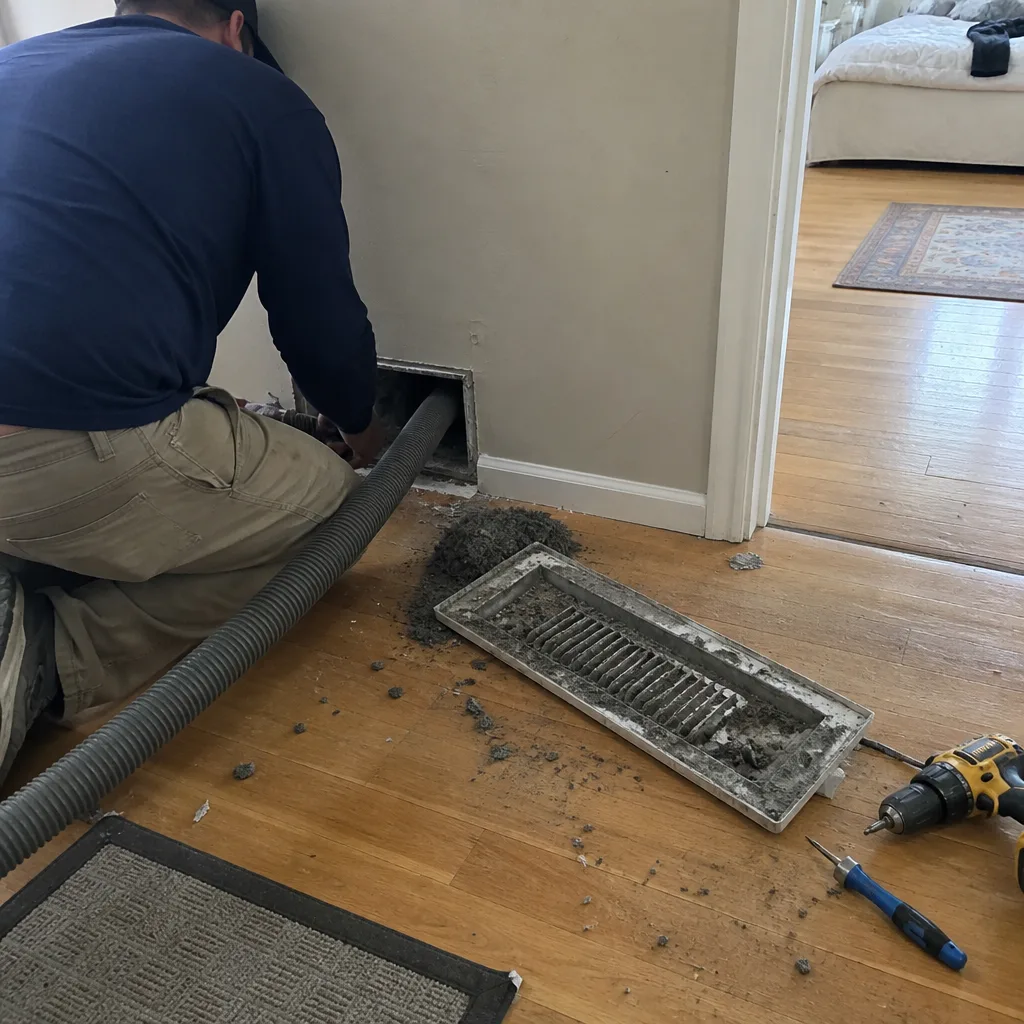 Before
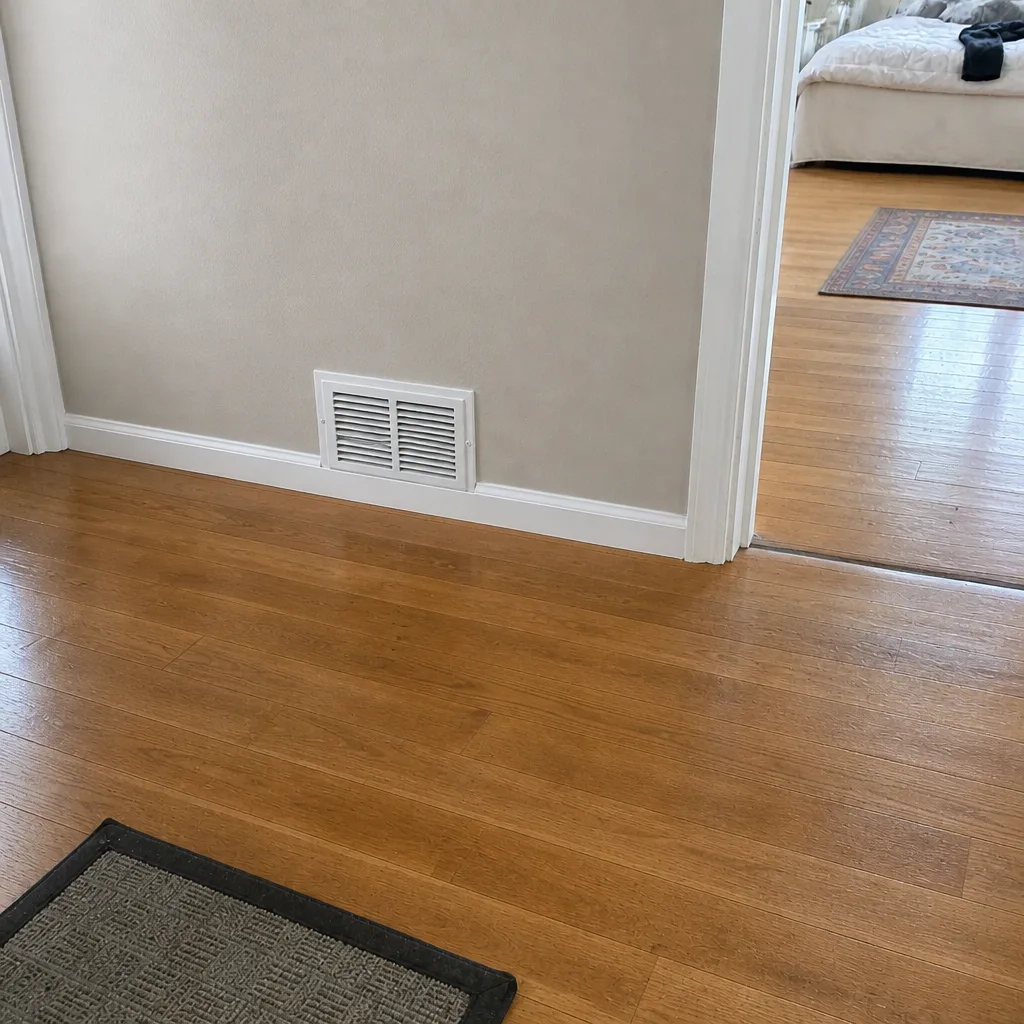 After
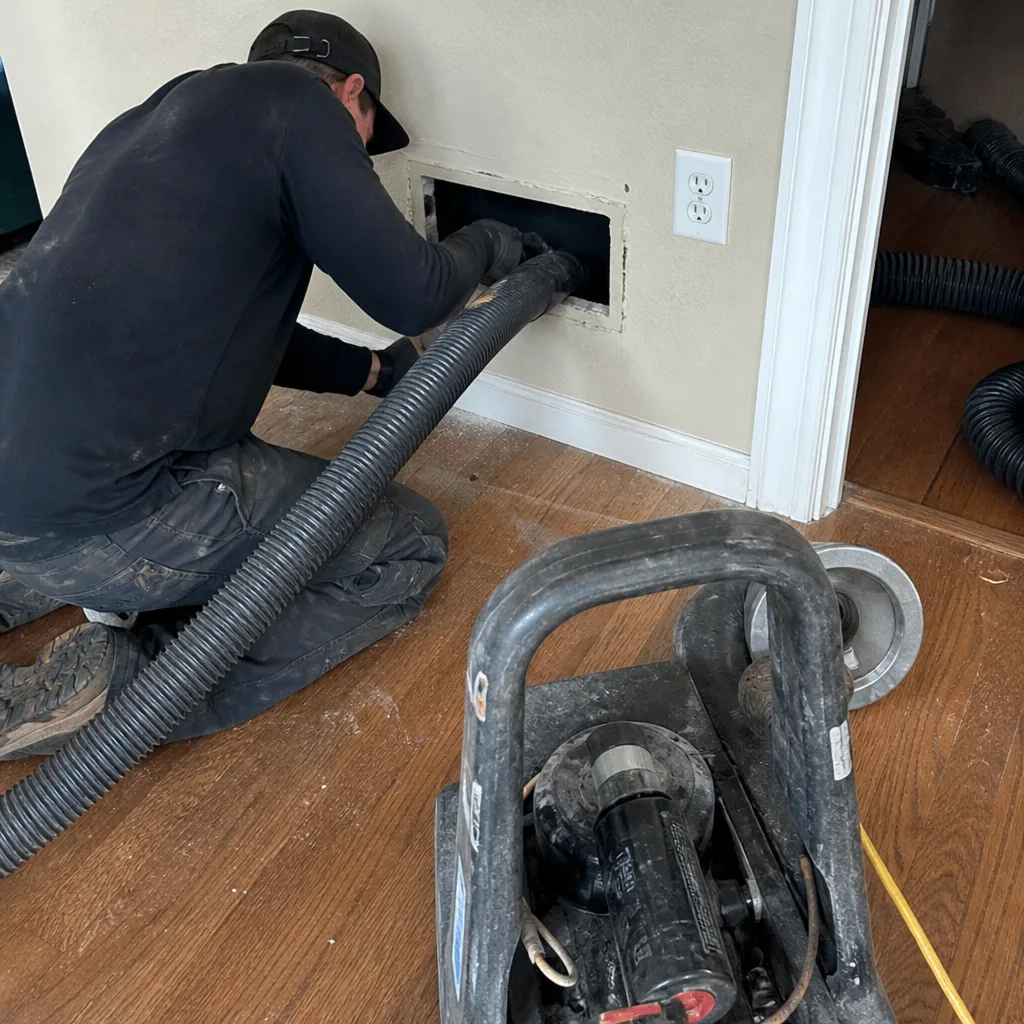 Before
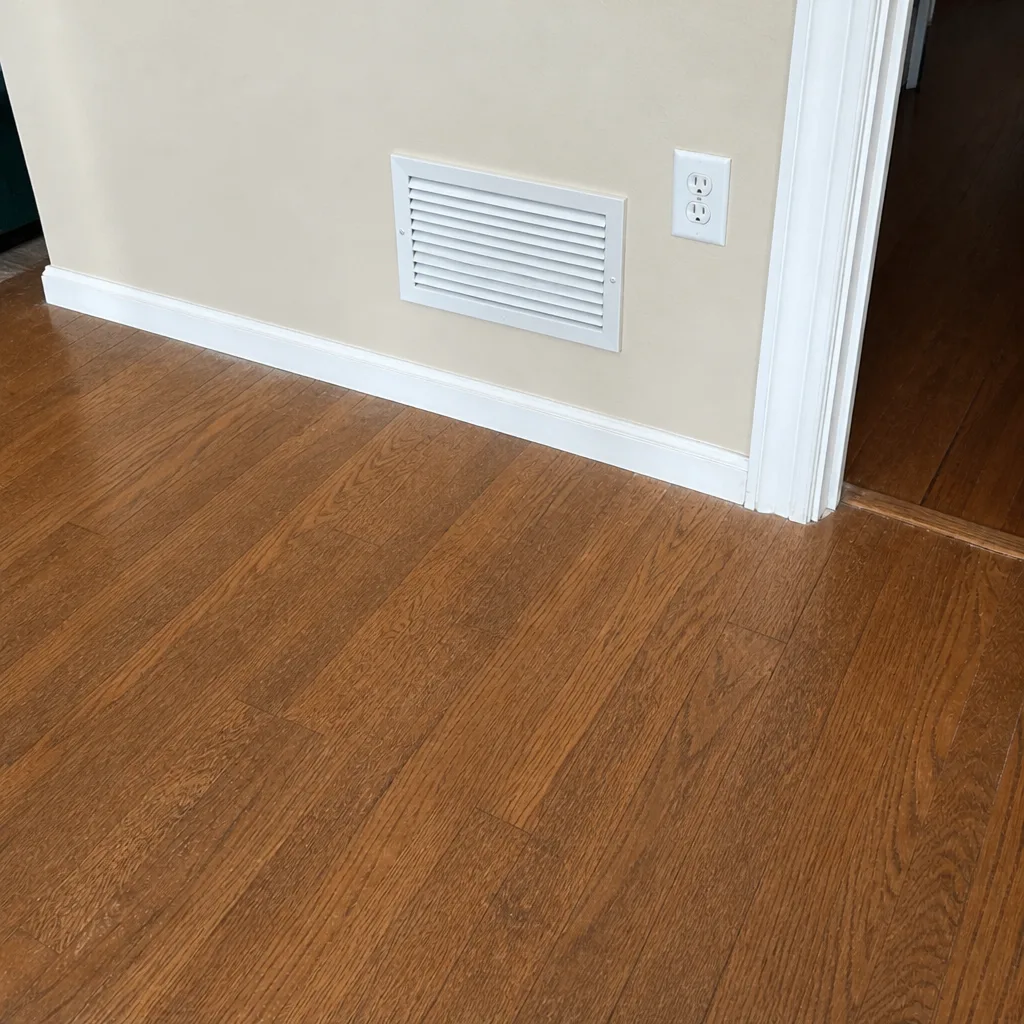 After
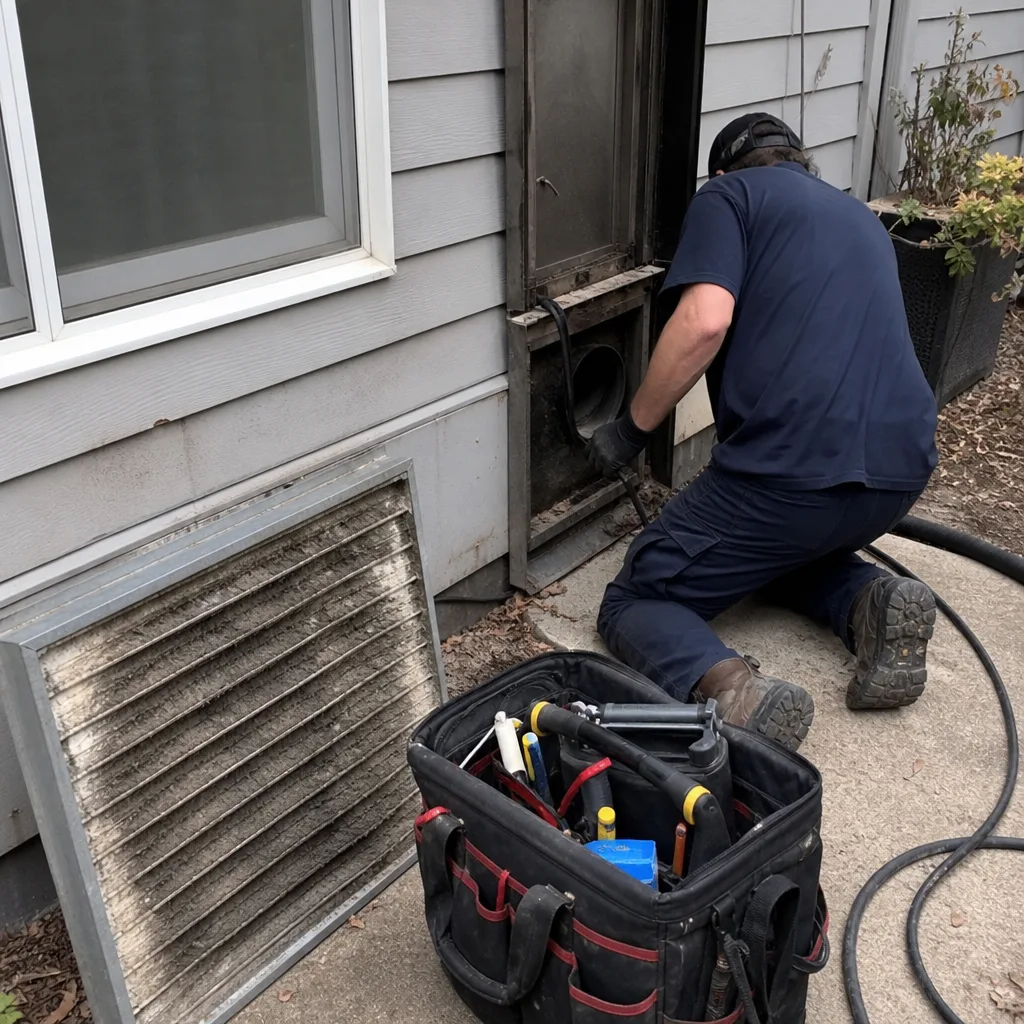 Before
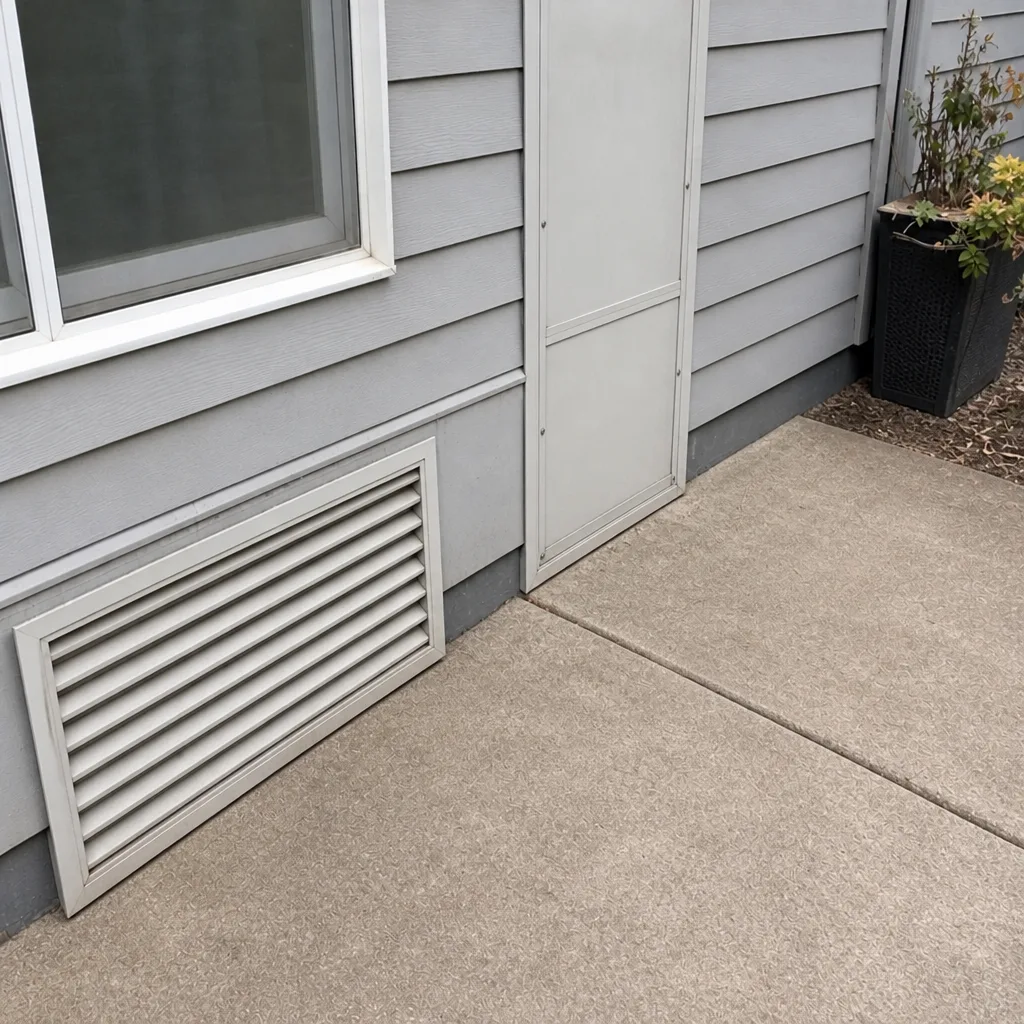 After
When to Call a Professional
Some signs in Tallyn’s Reach clearly point to a professional assessment. Visible dust blowing from registers right after a filter change. Musty odors that appear when the fan kicks on. A recent renovation that produced drywall dust. A system that has never been serviced, especially with pets or smokers in the home. Allergy symptoms that get worse when the HVAC is running. Visible mold around a register, air handler, or drain pan. And any dryer vent that takes longer than usual to dry a load, which is a fire-risk signal worth acting on quickly. If you’re seeing any of these, Air Duct Cleaning Tallyn’s Reach offers free estimates in Tallyn’s Reach – call (855) 550-7311. We answer 24/7. Fast dispatch from 7am to 7pm, Sunday through Friday.
Frequently Asked Questions
Pricing depends on the size of the system, the number of runs, and the condition of the air handler, coil, and drain pan, so any honest figure is a range rather than a fixed price. We set one flat price per system by written estimate before work starts, and we don’t quote per-vent teaser numbers. Call (855) 550-7311 for an exact quote – estimates are free.
Cheap quotes almost always mean a smaller scope: registers only, no coil, no drain pan, no interior documentation. A real full-system clean uses equipment like a Rotobrush rotary system and a Nikro HEPA vacuum, and it takes time. If a quote comes in far below others, ask exactly what it covers. Call (855) 550-7311 to talk through what a fair scope looks like for your home.
There isn’t a fixed schedule. The EPA’s guidance is to clean when there’s a reason – renovation debris, visible dust, odor, contamination, or a system that has never been serviced. Colorado’s dry air and wildfire smoke seasons can accelerate buildup faster than in more humid climates. For an honest assessment of your specific system, call (855) 550-7311.
The way to verify is before-and-after photos of the duct interior, the coil, the air handler, and the drain pan, shot from matching angles. If a company can’t show those, the work is unverified. We walk the homeowner through the documentation on every job. Call (855) 550-7311 to schedule an estimate.
Cleaning can reduce the particulate load circulating through the home, and for households with sensitive occupants that reduction is worth having. It isn’t a cure, and it works best combined with proper filtration like Aprilaire or Honeywell whole-home solutions and sealing any leaks that draw in outdoor air. Call (855) 550-7311 to talk through the right combination.
Duct cleaning focuses on the duct runs, plenums, and registers. HVAC cleaning goes inside the equipment – the blower, coil, air handler cabinet, and drain pan. A complete job covers both because contamination in the equipment blows through the ducts. Call (855) 550-7311 for a free estimate that scopes both.
The Bottom Line
Duct cleaning in Tallyn’s Reach isn’t an annual ritual. It’s a targeted service for a specific condition, and the value of a job depends on scope and equipment. A full-system clean covers supply ducts, return plenums, the air handler, the coil, and the drain pan – not just the registers you see. Professional-grade equipment like Rotobrush and Nikro keeps the debris from redistributing, and sealing any leaks protects the result. Read the documentation, ask about the coil and drain pan, and get one flat price in writing. That’s how you tell a complete job from a skipped one.
Air Duct Cleaning Tallyn’s Reach handles air duct cleaning, dryer vent cleaning, HVAC cleaning, duct repair and sealing, and air quality and sanitizing services. Our technicians have up to 14 years of experience. Call (855) 550-7311 for a free estimate. We answer 24/7. Fast dispatch from 7am to 7pm, Sunday through Friday.
Written by the team at Air Duct Cleaning Tallyn’s Reach.